

Bozeman Travel Guide: Everything You Need to Know Before You Go (2026)
Bozeman, Montana has undergone a remarkable transformation in recent years — from a mid-sized college town to one of the most sought-after destinations in the American West. The combination of its setting (4,793 feet in the Gallatin Valley, surrounded by five mountain ranges), its proximity to Yellowstone National Park (90 miles south), and a downtown that punches well above its weight for food, culture, and nightlife has made it one of the fastest-growing cities in the United States. This travel guide covers everything you need to plan a trip to Bozeman in 2026.
Bozeman at a Glance
- State: Montana
- Elevation: 4,793 feet
- Population: ~55,000 (city), ~130,000 (metro) — one of the fastest-growing cities in the US since 2020
- Known for: Yellowstone gateway, Museum of the Rockies, Big Sky Resort, fly fishing, Bridger Bowl skiing
- Home to: Montana State University (17,500+ students)
- Sunshine: 300+ days per year — more than Miami, FL
- Best seasons: July–August (hiking, Yellowstone), December–March (skiing)
- Airport: Bozeman Yellowstone International (BZN) — 10 minutes from downtown
When to Visit Bozeman
Best for outdoor summer activities: July and August
July and August are Bozeman’s peak season for good reason — all hiking trails are snow-free, the Beartooth Highway is open, the Gallatin and Madison Rivers are at their most fishable, and Yellowstone is fully operational. Average highs of 82–85°F with low humidity make outdoor activity genuinely comfortable. Book hotels 3–4 months ahead; downtown properties fill quickly in July.
Best for fall foliage and shoulder season: September and October
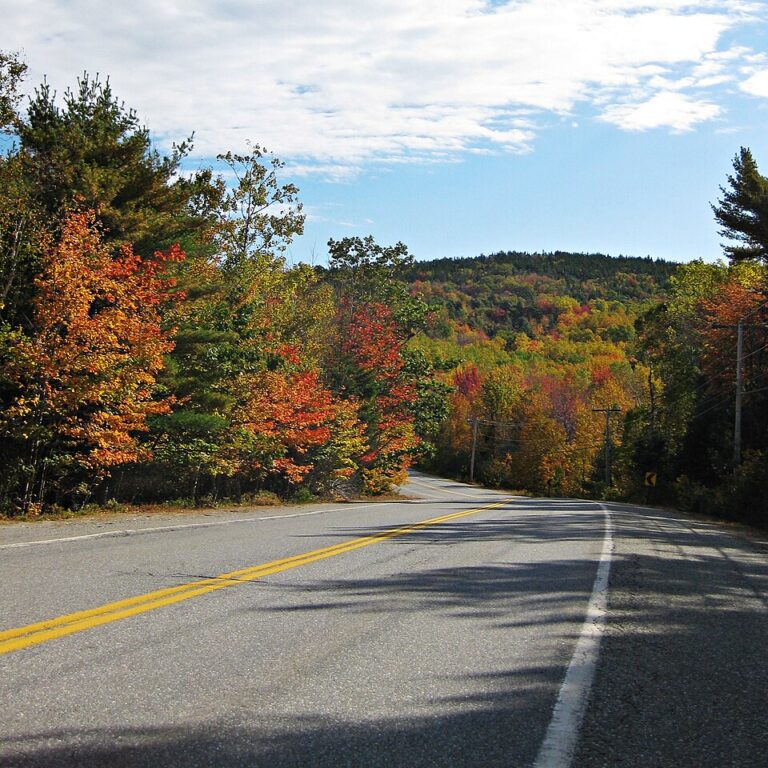
September is arguably the best month to visit Bozeman — summer crowds thin dramatically after Labor Day, temperatures drop to ideal hiking range (60–72°F), the aspen groves in the Gallatin Canyon and Bridger Mountains turn gold, and hotel rates drop 20–30% from peak summer. Yellowstone in September has fewer crowds and excellent wildlife activity as animals prepare for winter.
Best for skiing: December through March
Bozeman’s ski season runs from late November through mid-April at both Bridger Bowl (16 miles north) and Big Sky Resort (45 miles south). Big Sky averages 400 inches of annual snowfall and has the most skiable acreage in the US — 5,850 acres. Peak ski weeks (Christmas, Presidents’ Day, spring break) book out 4–6 months ahead at Big Sky lodging.

Spring (April–June): Shoulder season with caveats
Spring in Bozeman is variable — warm days alternate with late snowstorms through May, high trails remain snow-covered until late June, and the Beartooth Highway typically doesn’t open until Memorial Day weekend. The upside: hotel rates are at their lowest, the Gallatin River runs high and fast (excellent for whitewater rafting), and the valley wildflower season peaks in late May. Yellowstone is partially open in spring but many roads don’t clear until late April.
How to Get to Bozeman
By air
Bozeman Yellowstone International Airport (BZN) is the busiest airport in Montana and serves direct flights from 30+ US cities including Atlanta, Chicago, Dallas, Denver, Los Angeles, New York, San Francisco, Seattle, and Salt Lake City. The airport is 10 minutes from downtown — a rental car from BZN ($50–$90/day) is the most practical option since Bozeman has no meaningful public transit. Rideshare from the airport to downtown costs $18–$25.
By car
Bozeman sits on Interstate 90 and is a natural road trip stop on the northern tier of the American West. Key driving distances:
- Billings, MT: 1.5 hours (140 miles east on I-90)
- Missoula, MT: 2.5 hours (205 miles west on I-90)
- Salt Lake City, UT: 5.5 hours (430 miles south)
- Denver, CO: 8 hours (580 miles southeast)
- Seattle, WA: 10 hours (730 miles west)
- Jackson Hole, WY: 3.5 hours (210 miles south via US-191)
Getting Around Bozeman
You need a car
Bozeman has no functional public transit system. A rental car is essential — Bridger Bowl (skiing), Hyalite Canyon (hiking), the Gallatin Canyon (fishing, Big Sky), and Yellowstone all require a vehicle. Downtown Bozeman itself is walkable for restaurants and the Museum of the Rockies, but the city’s best experiences are spread across a wide area.
Driving and parking
Bozeman’s street grid is simple and traffic is manageable compared to larger cities. Downtown parking is free in most surface lots and on most streets; the garage on Rouse Ave charges $1/hour. No parking permit or pass is needed for any hiking trailhead in the Gallatin National Forest — all are free.
What to Budget for a Bozeman Trip
| Category | Budget | Mid-Range | Luxury |
|---|---|---|---|
| Hotel/night | $90–$140 | $160–$280 | $320–$600+ |
| Meals/day | $30–$50 | $60–$100 | $120–$200+ |
| Yellowstone entry | $35/vehicle (7-day pass) or $80 Annual Pass | ||
| Museum of the Rockies | $14.50/adult, $9.50/child | ||
| Fly fishing guide | — | $175–$250/person | $300+/person |
| Big Sky lift ticket | $165–$220/day (book early for best rates) | ||
Bozeman Weather by Season
| Season | Temp (High/Low) | Conditions | Notes |
|---|---|---|---|
| Summer (Jul–Aug) | 82–85°F / 48–55°F | Sunny, low humidity | Peak season — book ahead |
| Fall (Sep–Oct) | 62–72°F / 35–45°F | Clear, cool, aspen color | Best overall weather |
| Winter (Dec–Mar) | 32–38°F / 10–20°F | Cold, heavy snow at elevation | Peak ski season |
| Spring (Apr–Jun) | 50–68°F / 28–40°F | Variable, late snow possible | Best rates, some trail closures |
Essential Bozeman Travel Tips
- The elevation matters immediately. Bozeman sits at 4,793 feet and most hiking destinations are 6,000–9,000+ feet. First-time mountain visitors often underestimate how much the altitude affects exertion — you’ll breathe harder and tire more quickly on your first day. Drink extra water and take your first hike slowly.
- Weather changes fast. Afternoon thunderstorms roll in from the west most summer afternoons. Be off exposed ridges and summits by noon on summer hike days. Always carry a rain layer regardless of the morning forecast.
- Wildlife is everywhere. Grizzly bears and black bears inhabit the Gallatin National Forest and the Bridger Mountains. Carry bear spray on all backcountry hikes (available at any outfitter on Main Street, $10–$12/day rental). In Yellowstone, bison cause more visitor injuries annually than bears — never approach within 25 yards.
- The Beartooth Highway is worth a detour. US-212 from Red Lodge over Beartooth Pass to the Yellowstone Northeast Entrance is one of the most spectacular drives in America. It’s open late May through mid-October and requires 3 hours one-way from Bozeman — plan an overnight in Red Lodge or Cooke City to do it justice.
- Book Yellowstone early. In-park hotels (Old Faithful Inn, Lake Yellowstone Hotel) open reservations 12 months ahead and fill within days for July and August. If you want to stay inside the park, set a calendar reminder for the opening reservation date.
Your Complete Bozeman Resource Guide
- 3-day Bozeman itinerary — the best day-by-day plan for first-time visitors
- Best things to do in Bozeman — 12 top activities ranked
- Where to stay in Bozeman — hotels and lodges for every budget
- Bozeman to Yellowstone road trip — both routes, best stops, and park tips
Frequently Asked Questions
Is Bozeman worth visiting?
Yes — Bozeman offers a combination of outdoor access, cultural depth, and culinary quality that few US cities of its size can match. The Museum of the Rockies alone is worth a trip. Combined with Yellowstone access, Big Sky skiing, and the Gallatin River, Bozeman delivers more per trip-day than almost anywhere in the Mountain West.

Is Bozeman safe for tourists?
Yes — Bozeman is consistently ranked one of the safest cities in Montana. The tourist areas, downtown, and all major hiking and recreation areas are safe. Standard outdoor precautions apply: carry bear spray in the backcountry, don’t approach wildlife, and always tell someone your hiking plans.
What is the best month to visit Bozeman?
September is the single best month to visit Bozeman — summer crowds have departed, temperatures are ideal for hiking (55–72°F), the aspen groves are turning gold, Yellowstone is less crowded, hotel rates drop from peak summer, and the weather is consistently clear and dry. For skiing, January and February offer the most reliable snow conditions at Big Sky.
Does it snow in Bozeman?
Yes — Bozeman receives 80–100 inches of snowfall per year in the city, with significantly more at elevation (Bridger Bowl averages 350 inches; Big Sky averages 400 inches). Snow can fall in any month, though it rarely sticks in the valley from June through August. Driving in winter requires 4WD or AWD with snow tires for any mountain road travel.



One Comment