Dahlonega Travel Guide: Everything You Need to Know
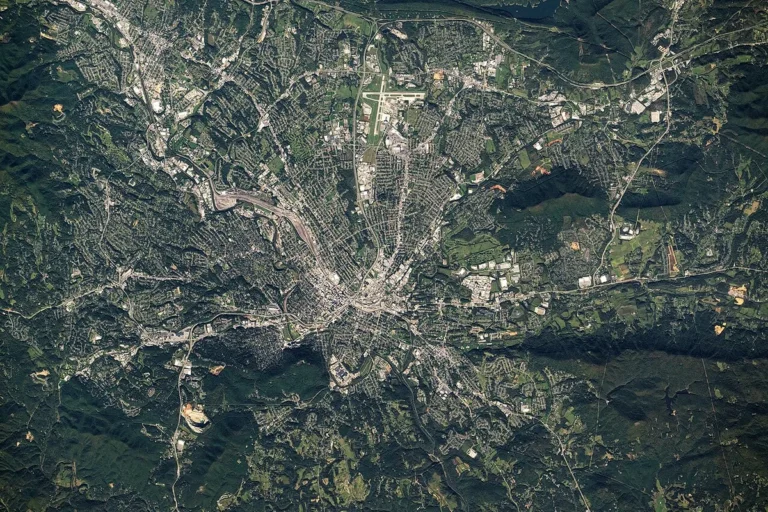
Dahlonega, Georgia is a destination that rewards everyone who visits — whether you arrive for a quick day trip or a full long weekend. This North Georgia mountain town has a layered identity: the site of America’s first major gold rush, a thriving wine region, a gateway to the Appalachian Trail, and a charming historic downtown that punches well above its size. This travel guide covers everything you need to plan a trip to Dahlonega in 2026.
Dahlonega at a Glance
- Location: Lumpkin County, North Georgia, approximately 65 miles north of Atlanta
- Elevation: ~1,500 feet above sea level
- Population: ~6,500 (city proper); ~32,000 (Lumpkin County)
- Known for: America’s first gold rush (1828), Georgia wine country, Appalachian Trail access, University of North Georgia
- Best time to visit: Spring (April-May) and Fall (September-October)
- Drive from Atlanta: ~65 miles via GA-400 North, 75-90 minutes
A Brief History of Dahlonega
Dahlonega’s story begins long before Europeans arrived. The name comes from the Cherokee word talonega, meaning yellow or golden, and the Cherokee Nation inhabited this mountain region for centuries before being forcibly removed in the late 1830s during the Trail of Tears.
The discovery of gold in 1828 triggered America’s first major gold rush — twenty years before California’s 1849 rush — and within a few years thousands of prospectors had flooded the North Georgia mountains. The U.S. government opened a branch of the U.S. Mint in Dahlonega in 1838, which struck gold coins until the Civil War in 1861.
Today, Dahlonega is the county seat of Lumpkin County and home to the University of North Georgia, a school with military heritage that brings about 8,000 students to town. The wine industry has exploded since the early 2000s, and the Dahlonega Plateau received official AVA designation from the U.S. government in 2018.
Top Attractions in Dahlonega
Dahlonega Gold Museum Historic Site
The starting point for any visit. The Gold Museum occupies the original 1836 Lumpkin County Courthouse on the town square — the oldest public building in North Georgia. Exhibits tell the story of the 1828 Georgia Gold Rush with authentic gold specimens, mining equipment, and coins minted at the Dahlonega branch of the U.S. Mint. A 23-minute film provides excellent context for first-time visitors. Admission is $6 for adults and $3.50 for children (2026). Hours are typically 9am to 5pm Monday through Saturday and 10am to 5pm on Sunday.
Consolidated Gold Mine
The most hands-on historical experience in Dahlonega. The mine offers 40-minute underground tours into a 19th-century shaft — you descend 200 feet below the surface in a space that was actively mined from the 1830s through the early 20th century. After the tour, gold panning at the sluice lets you try your luck. Most visitors find small but genuine gold flakes. Book ahead on weekends.

Dahlonega Town Square
The hub of town life. The square is surrounded by locally owned shops, wine tasting rooms, restaurants, candy stores, and art galleries. Street musicians perform on weekends and the farmers market draws vendors on Saturday mornings. The square is at its best during seasonal events — fall foliage weekends, Christmas markets, and festival season bring it to life.
Georgia Wine Country and the Dahlonega Plateau AVA
The Dahlonega Plateau AVA — designated in 2018 — is one of the fastest-growing wine regions in the United States. The combination of elevation (1,500 to 2,000 feet), granite-rich soils, and cooler temperatures produces wines distinctly different from Georgia’s other wine regions. Viognier, Cabernet Franc, and sparkling wines are the plateau’s strengths. More than a dozen wineries operate within 20 minutes of downtown, ranging from intimate family operations to polished estate experiences.
Amicalola Falls State Park
Located 18 miles west of Dahlonega via GA-52, Amicalola Falls is the tallest cascading waterfall east of the Mississippi River at 729 feet. The park also serves as the official access point for the Appalachian Trail Approach Trail — the 8.5-mile route connecting the park to the AT’s southern terminus at Springer Mountain. A daily park pass ($5/vehicle) is required.
Blood Mountain and Neel Gap
The Blood Mountain trailhead at Neel Gap, 15 miles north of Dahlonega on US-19, offers some of the most accessible and rewarding hiking in North Georgia. Blood Mountain at 4,458 feet is the highest point on the Georgia portion of the Appalachian Trail. The round-trip hike is 4.4 miles with roughly 1,100 feet of elevation gain. Mountain Crossings at Neel Gap is a landmark — it is the only place in the world where the Appalachian Trail passes directly through a building.
Dahlonega Wineries: A Guide to the Dahlonega Plateau AVA
Wine tourism is one of the primary reasons people visit Dahlonega today, and the quality of the wines justifies the reputation. Key wineries include:
- Wolf Mountain Vineyards — Consistently regarded as one of Georgia’s top wineries with multiple Decanter World Wine Awards. Particularly celebrated for sparkling wines. Sunday brunch is a beloved institution.
- Montaluce Winery and Estates — An Italian-inspired estate on 180 acres. Full restaurant, wine caves, and on-site accommodations. One of Dahlonega’s most polished wine experiences.
- Three Sisters Vineyards — A family-run winery known for Cabernet Franc and live music weekends. Very dog-friendly.
- Kaya Vineyard and Winery — Contemporary tasting room with a beautiful picnic lawn. Strong on whites and roses.
- Cavender Creek Vineyards — Popular for group visits and known for vineyard views.
Outdoor Activities in and Around Dahlonega
Beyond Blood Mountain and Amicalola Falls, the area offers:

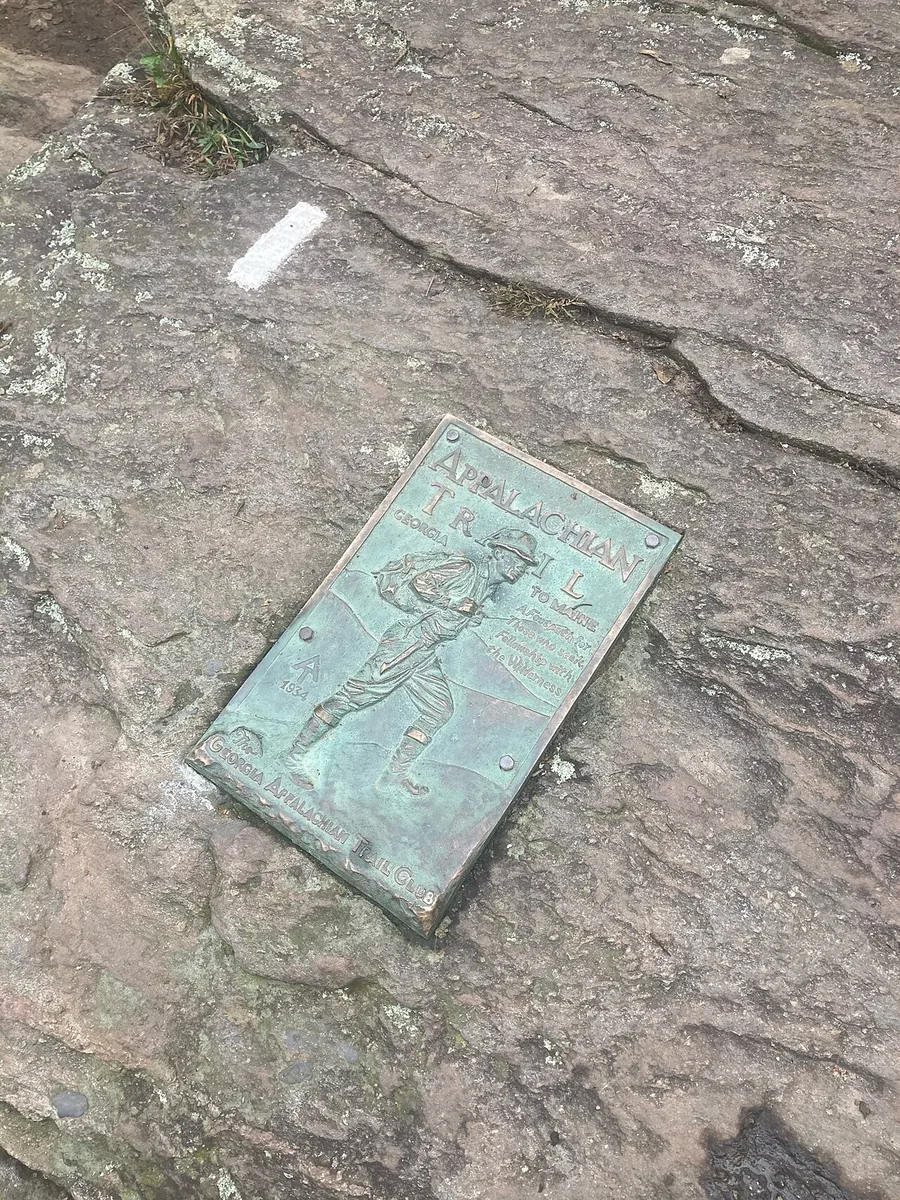
- Appalachian Trail hiking: Multiple trailheads within 20 miles of town for all ability levels
- Chestatee River kayaking and tubing: Gentle floats through mountain scenery with outfitter rental and shuttles
- Horseback riding: Guided trail rides through mountain forest from local outfitters
- Mountain biking: Forest road and singletrack options in the surrounding national forest
- Fishing: The Chestatee River offers trout fishing (Georgia fishing license required)
- Rock climbing: Tallulah Gorge State Park, about 45 minutes east, has established climbing routes
When to Visit Dahlonega
Spring (March to May)
Spring is one of the best times to visit. Wildflowers bloom along mountain trails, waterfalls run at their highest volume, and the weather is mild. The Bear on the Square Mountain Festival (April) brings world-class bluegrass and Americana musicians. Spring is less crowded than fall, making it easier to get winery reservations and cabin bookings.
Summer (June to August)
The mountain elevation keeps temperatures roughly 5 to 10 degrees Fahrenheit cooler than Atlanta. River activities are at their peak. Weekends are busy, so book accommodations early.
Fall (September to November)
Fall is Dahlonega’s peak season. Foliage typically peaks in mid-to-late October. Gold Rush Days, one of Georgia’s largest annual festivals, takes place over two weekends in October and draws 200,000+ visitors. Advance planning is essential — accommodations book out months ahead.
Winter (December to February)
Dahlonega’s winter is underrated. Christmas in Dahlonega events run from late November through December. Wineries offer intimate tasting experiences with no wait times. Occasional snowfall transforms the mountain landscape. January and February offer the best availability and lowest prices of the year.
Getting to Dahlonega
Dahlonega is most easily reached by car. From Atlanta, take GA-400 North to US-19, then continue north into Dahlonega. The drive is approximately 65 miles and takes 75 to 90 minutes from downtown Atlanta. Parking in downtown Dahlonega is free — public lots on the side streets around the square have ample space except on the busiest festival weekends. There is no commercial bus or train service to Dahlonega.
Frequently Asked Questions: Dahlonega Travel Guide
Is Dahlonega worth visiting?
Dahlonega is absolutely worth visiting — it is one of the most complete small-town travel destinations in the American South. The combination of genuine history, natural beauty, excellent wine, outdoor recreation, and a walkable downtown makes it appealing to almost every type of traveler. The majority of first-time visitors leave planning a return trip.
How many days do you need in Dahlonega?
Two days (a full weekend) is the ideal amount of time for a first visit. One day is enough for a taste of the square, a winery, and a quick hike. Three or more days lets you explore at a relaxed pace and cover more of the surrounding mountain landscape.
What is there to do in Dahlonega besides wine tasting?
Plenty. Gold mine tours, the Dahlonega Gold Museum, hiking at Blood Mountain and Amicalola Falls, river kayaking and tubing, horseback riding, seasonal festivals, and exploring the downtown square all provide substantial activity options beyond wine.
Is Dahlonega expensive to visit?
Dahlonega is moderately priced. Accommodation costs vary widely by property type and season. Winery tastings typically cost $15 to $30 per person. Restaurant prices are reasonable compared to Atlanta — an excellent dinner runs $25 to $40 per person including a glass of local wine. The Gold Museum and Consolidated Gold Mine have modest entry fees.
Plan Your Dahlonega Trip
Dahlonega rewards travelers who come prepared and stay curious. Read the history before you go, book your winery visits in advance, choose accommodations that match how you want to experience the town, and give yourself at least two days to settle into the mountain pace.
Whether you come for the gold rush history, the wine, the hiking, or simply the escape from city life, Dahlonega will give you more than you expect. It is one of those places that earns a permanent spot on your travel rotation — a destination you return to because it keeps getting better the more you know it.