
Best Things to Do in Bozeman, Montana (2026 Guide)
Bozeman, Montana is one of the most activity-rich small cities in the United States. At 4,793 feet in the Gallatin Valley, surrounded by five mountain ranges, it offers world-class skiing, blue-ribbon fly fishing, one of the best natural history museums in America, and direct access to Yellowstone National Park — all within 90 miles of a walkable downtown with excellent restaurants and craft breweries. Here are the 12 best things to do in Bozeman.
Planning your time? Use our 3-day Bozeman itinerary to see how to fit these into a long weekend.
1. Museum of the Rockies
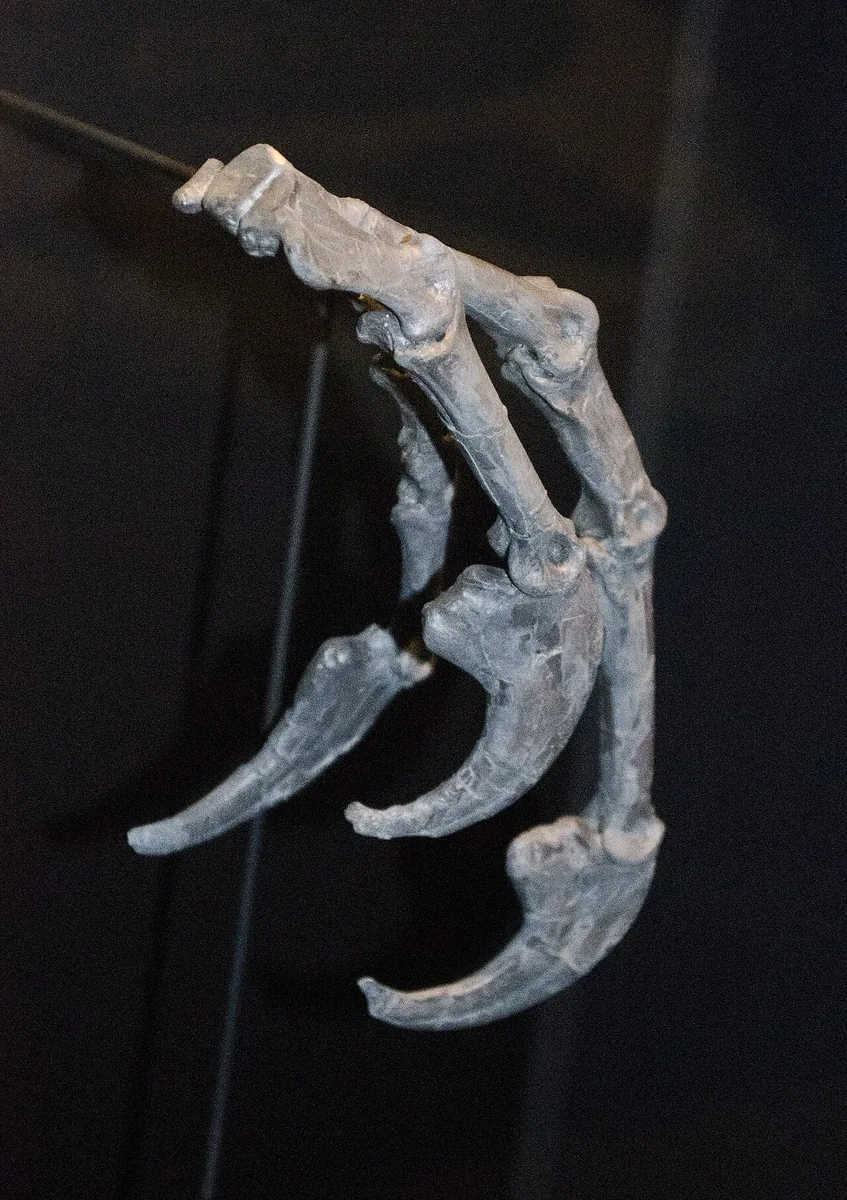
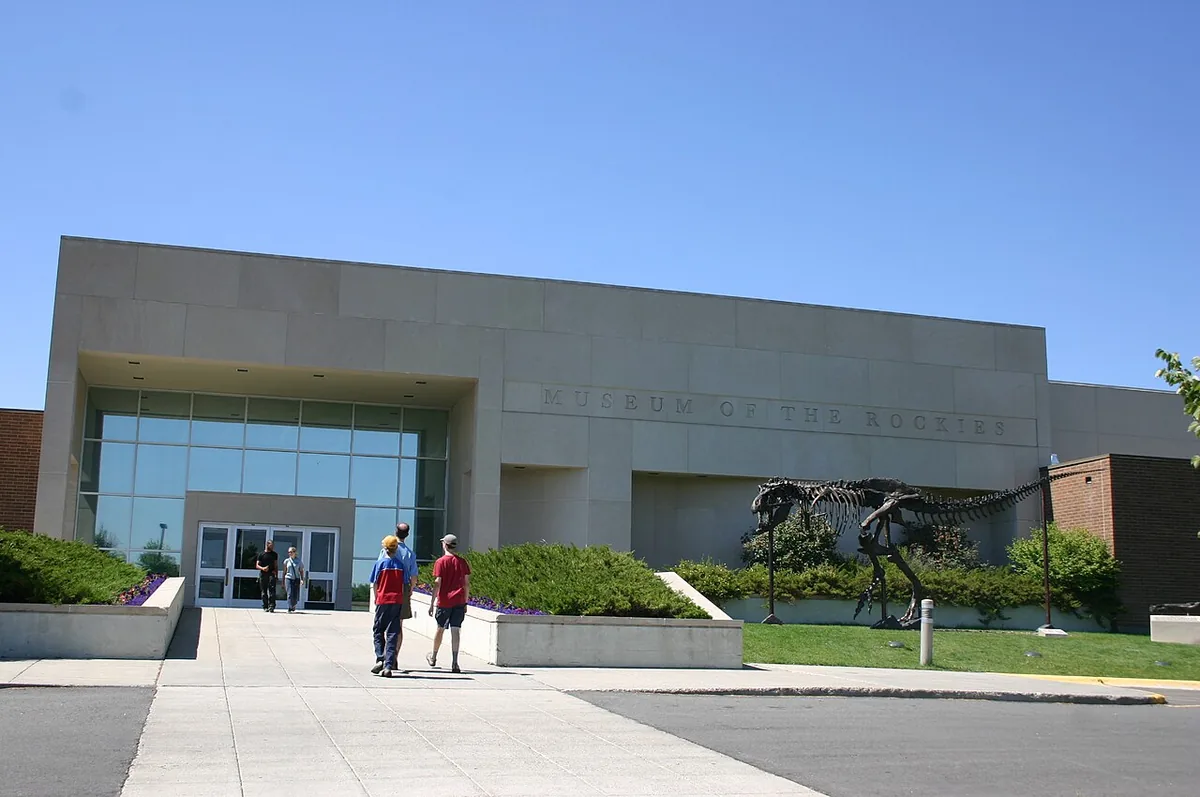
The Museum of the Rockies is the most important attraction in Bozeman and one of the finest natural history museums in the United States. Its paleontology collection — built over 30 years by Jack Horner, the real-world inspiration for Jurassic Park’s Dr. Alan Grant — includes the largest T. rex skull ever discovered, multiple complete Triceratops specimens, and more named dinosaur species than any other institution on earth. The Tinsley House living history exhibit and the planetarium round out a full half-day visit.
- Admission: $14.50 adults, $9.50 children 5–17
- Hours: Daily 9 a.m. to 5 p.m.
- Time needed: 2–3 hours
2. Ski or Ride Big Sky Resort
Big Sky Resort, 45 miles south of Bozeman, is the largest ski resort in the United States by skiable acreage — 5,850 acres of terrain across Lone Mountain (11,166 ft) and Andesite Mountain, with a 4,350-foot vertical drop and an average annual snowfall of 400 inches. Despite its size, Big Sky consistently has shorter lift lines than comparable resorts in Colorado and Utah due to its lower national profile. The Lone Peak Tram accesses true expert terrain at the summit with views into three states.
- Drive from Bozeman: 45 minutes via US-191 through Gallatin Canyon
- Season: Late November to mid-April
- Day lift tickets: $165–$220 (book in advance for best rates)
- Best for: Advanced skiers who want big terrain with smaller crowds than Vail or Park City
3. Fly Fish the Gallatin, Madison, and Yellowstone Rivers
The rivers around Bozeman form one of the most celebrated fly fishing regions in the world. The Gallatin River, the Madison River, and the Yellowstone River all run within 90 minutes of downtown and are designated blue-ribbon trout streams — supporting wild populations of brown, rainbow, and cutthroat trout. The stretch of the Gallatin through Gallatin Canyon (US-191) is accessible from roadside pullouts the entire 50-mile length to West Yellowstone.
Guided half-day wade trips start at $175 per person; guided float trips $250+. Bozeman Angler, Montana Troutfitters, and Yellowstone Angler are the three most respected outfitters in the Gallatin Valley.

4. Day Trip to Yellowstone National Park
Bozeman’s proximity to Yellowstone is its greatest geographic advantage — two entrances (North and West) are each 90 miles and 1.5 hours away. A well-planned day trip from Bozeman reaches Old Faithful, Grand Prismatic Spring, the Grand Canyon of Yellowstone, or the Lamar Valley wildlife corridor depending on which route and entrance you choose.
See our Bozeman to Yellowstone road trip guide for both complete routes, the best stops along the way, and a day-by-day plan for multi-day Yellowstone visits.
5. Hike in Hyalite Canyon
Hyalite Canyon in the Gallatin National Forest, 10 miles south of downtown, is Bozeman’s most accessible mountain recreation area — a narrow canyon with 12 waterfalls, a reservoir for kayaking and swimming, and 50+ miles of hiking trails ranging from a paved wheelchair-accessible path to Palisade Falls to multi-day backcountry routes. In winter, Hyalite becomes one of the premier ice climbing destinations in North America, drawing elite climbers from across the world.
- Palisade Falls: 0.6 mi round trip, paved, best for families
- Grotto Falls: 2.2 mi round trip, moderate waterfall hike
- Hyalite Peak: 11 mi round trip, strenuous, 3,200 ft gain — summit views of the entire Gallatin Valley
6. Drive the Beartooth Highway
The Beartooth Highway (US-212) is one of the most spectacular drives in the United States — a 68-mile route that climbs from Red Lodge, Montana (60 miles east of Bozeman) to 10,947 feet at Beartooth Pass before descending into the Northeast Entrance of Yellowstone. The highway passes through alpine tundra above the tree line, past glacial lakes, and through landscapes that feel more like the Arctic than the American West.
- Season: Typically open late May to mid-October (closed by snow outside these dates)
- Drive from Bozeman: 1 hour to Red Lodge, then 1.5 hours to cross the pass
- Best combined with: Yellowstone Northeast Entrance for a full scenic loop
7. Whitewater Rafting on the Gallatin River
The Gallatin River through Gallatin Canyon (US-191) offers some of the best accessible whitewater in Montana — Class II through IV rapids in a stunning narrow canyon 40 miles south of Bozeman. Montana Whitewater and Geyser Whitewater both operate half-day and full-day guided trips from $45 per person. The Mad Mile section (Class IV) is appropriate for adventurous beginners with guide support; House Rock (Class IV) requires prior rafting experience.
8. Explore Downtown Bozeman’s Main Street
Bozeman’s Main Street is the best downtown in Montana — a six-block stretch of independent restaurants, outdoor gear shops, art galleries, and coffee shops housed in buildings dating to the 1880s. The Friday evening Farmer’s Market (June–September, 5–8 p.m.) fills four blocks with local produce, food vendors, and live music. The Ellen Theatre (17 W Main St), a 1919 movie palace, hosts live performances and film screenings year-round.
9. Ski Bridger Bowl
Bridger Bowl, 16 miles north of downtown Bozeman, is a non-profit community ski area with a devoted local following and terrain that rivals much larger commercial resorts. The 2,000-acre ski area includes the famous Ridge, an above-the-lift expert zone accessible only by hiking a 20-minute boot pack to a 9,000-foot ridgeline. Day lift tickets are $85–$95 — roughly half the cost of nearby Big Sky.
- Drive from Bozeman: 25 minutes north on Bridger Canyon Road
- Best for: Local atmosphere, expert terrain, and avoiding Big Sky’s prices
10. Lewis and Clark Caverns State Park
Lewis and Clark Caverns, 50 miles west of Bozeman along the Jefferson River, is Montana’s oldest and most visited state park. The cave system contains some of the most colorful limestone formations in the Pacific Northwest — stalactites, stalagmites, helictites, and cave coral in chambers that maintained 50°F year-round. Guided tours run 2 hours and cover 0.75 miles of underground passage.
- Tour cost: $15 per adult, $8 for children 6–11
- Season: May through September
- Drive from Bozeman: 50 minutes west on I-90
11. Attend a Montana State University Bobcats Game
Montana State University’s Bobcats football team plays in Bobcat Stadium — a 19,000-seat facility that regularly sells out for rivalry games against the University of Montana Grizzlies in one of the most passionate FCS rivalries in college football. The Cat-Griz game (played annually in November, alternating between Bozeman and Missoula) is the most attended sporting event in Montana history. Even non-football fans find the pregame atmosphere on campus worth experiencing.
12. Soak at Bozeman Hot Springs
Bozeman Hot Springs, 5 miles west of downtown at 81 Gallatin Road, is a full-service mineral hot springs facility with 12 indoor and outdoor pools ranging from 59°F (cold plunge) to 106°F. It’s a beloved local institution — open daily from 7 a.m. and genuinely unpretentious in a way that destination hot springs often aren’t. Day admission is $14 for adults, $10 for children.
Frequently Asked Questions
What is Bozeman known for?
Bozeman is known as the gateway to Yellowstone National Park, home to the Museum of the Rockies (world’s largest dinosaur collection), access to Big Sky Resort (largest ski area in the US), and the Gallatin and Madison Rivers — two of America’s most celebrated fly fishing destinations.
Is Bozeman good for non-skiers in winter?
Yes — Bozeman has excellent winter activities beyond skiing. Hyalite Canyon becomes a world-class ice climbing and snowshoeing destination. Bozeman Hot Springs is open year-round. The Museum of the Rockies, downtown restaurants, and the brewery scene are all fully operational in winter. Snowshoeing and Nordic skiing are accessible from multiple trailheads within 20 minutes of downtown.
How close is Bozeman to Yellowstone?
Bozeman is 90 miles north of Yellowstone’s North Entrance (via Livingston and Gardiner) and 90 miles north of the West Entrance (via West Yellowstone). Both routes take approximately 1.5 hours under normal driving conditions. See our Bozeman to Yellowstone road trip guide for full route details.
Is Bozeman expensive?
Bozeman has become one of the most expensive small cities in the American West — rapid population growth has pushed housing and hotel costs significantly higher since 2020. Expect to pay $150–$250/night for a mid-range downtown hotel. The outdoor activities (hiking, fishing access, Parkway drives) remain free, and the restaurant scene offers good value compared to resort towns like Jackson Hole.


2 Comments