

Traverse City Travel Guide: Everything You Need to Know (2026)
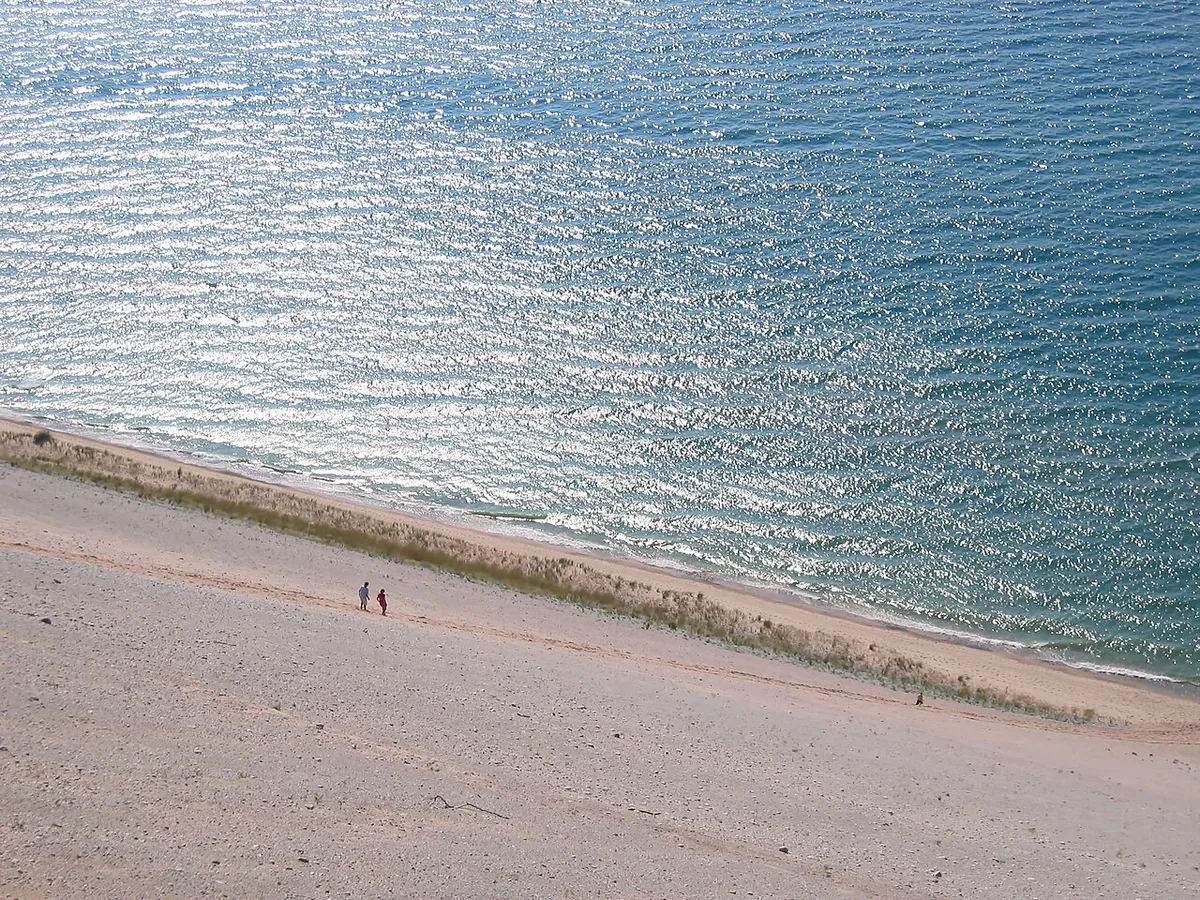
Traverse City, Michigan is a lakeside city of approximately 15,000 permanent residents at the southern end of Grand Traverse Bay in the northwestern corner of Michigan’s Lower Peninsula — a four-season destination that draws over 3.5 million visitors annually with Sleeping Bear Dunes National Lakeshore (voted the Most Beautiful Place in America in 2011), the most productive cool-climate wine region in the Midwest, Lake Michigan beaches with Caribbean-blue water clarity, and a downtown food and drink scene that has earned national recognition disproportionate to the city’s size. The surrounding Grand Traverse region encompasses two wine-producing peninsulas, over 40 wineries, the Cherry Capital identity anchored by approximately 40% of the US tart cherry crop, and some of the most scenic freshwater shoreline driving in North America along M-22 and the Leelanau Peninsula coast.
Once you’ve read this overview, plan your days with our Traverse City Itinerary, explore activities in depth with Best Things to Do in Traverse City, plan a focused visit with our Traverse City Weekend Trip guide, and find accommodation with Where to Stay in Traverse City.
Why Visit Traverse City?
Traverse City sits at the intersection of three distinct travel draws rarely found in the same place: natural spectacle (Sleeping Bear Dunes, Lake Michigan), agricultural identity (40% of US cherry production, 40+ wineries), and genuine urban quality (independent restaurants, breweries, film festival, farmers market). The result is a destination that works for beach vacations, wine tours, outdoor adventure, family trips, and romantic getaways simultaneously. The short summer season — mid-June through mid-September at peak — concentrates visitor energy and makes TC feel alive in a way that larger cities rarely achieve in summer months.
Best Time to Visit Traverse City
| Season | Temp Range | Conditions | Crowds | Best For |
|---|---|---|---|---|
| Spring (Apr–May) | 30–62°F | Cool, cherry blossoms (late April–early May), wineries opening | Low | Cherry blossom drives, off-peak prices, early winery tastings |
| Summer (Jun–Aug) | 58–84°F | Warm, sunny, low humidity, bay swimming conditions | Peak (Jul heaviest) | Beaches, Cherry Festival (July), full outdoor access |
| Fall (Sep–Oct) | 38–70°F | Crisp and clear, wine harvest, brilliant foliage by mid-October | Moderate | Wine harvest tastings, foliage drives, lower hotel rates |
| Winter (Nov–Mar) | 14–34°F | Cold, snowy, ski resorts open; TC downtown quieter but functional | Very low | Skiing (Crystal Mountain), budget travel, Ice Fest (February) |
Best overall times: Late June through early July (before Cherry Festival crowds peak) and September offer the best combination of weather, activity access, and manageable visitor numbers. Cherry blossom season (late April through early May) is a spectacular and crowd-free time when the peninsula orchards bloom white and pink — largely unknown to out-of-state visitors and worth the cooler temperatures.
How to Get to Traverse City
By Air
Cherry Capital Airport (TVC) is located 3 miles south of downtown Traverse City and served by American Airlines, Delta, and United with direct connections from Chicago O’Hare, Detroit Metro, Minneapolis, and Charlotte. Service increases significantly in summer. Rental cars are available at the terminal — book well in advance for summer visits as supply runs out. The airport is small and efficient; baggage claim and car rental are typically under 20 minutes.
By Car
The majority of TC visitors drive. Key routes and distances:
- Detroit: 260 miles northwest via I-75 and M-72 — approximately 4–4.5 hours
- Chicago: 320 miles northeast via I-94 and US-131 — approximately 4.5–5 hours
- Grand Rapids: 140 miles north via US-131 — approximately 2 hours
- Petoskey: 55 miles northeast via US-31 — approximately 50 minutes
- Mackinaw City: 95 miles northeast via US-31 — approximately 1.5 hours
US-131 north from Grand Rapids is the most direct route from Chicago; I-75 to M-72 west is the standard Detroit route. Both are entirely straightforward interstate and US highway driving.
Getting Around Traverse City
A car is essential for Sleeping Bear Dunes, the Old Mission Peninsula wine trail, the Leelanau Peninsula, and beach-hopping along the bay. Downtown TC and the TART Trail waterfront are walkable and cycleable — bike rentals are widely available from McLain Cycle and Fitness (2786 Garfield Rd N) and several downtown shops. The Bay Area Transportation Authority (BATA) runs local buses serving downtown and the US-31 corridor, but routes are designed for residents rather than tourists. Ride-share (Uber, Lyft) is available in Traverse City but coverage thins outside the city limits.

What to Eat in Traverse City
Best Restaurants
- Trattoria Stella (Village at Grand Traverse Commons) — the city’s best restaurant. Northern Italian, seasonal, local Michigan ingredients. Reserve weeks ahead. Budget $45–$65/person.
- 9 Bean Rows (100 Mill Rd, Suttons Bay) — farm-to-table, 15 minutes north. Michigan’s best winery-adjacent restaurant. Budget $50–$70/person.
- Red Ginger (237 E Front St) — pan-Asian with strong cocktails. Budget $30–$45/person.
- Amical (229 E Front St) — European bistro; best patio on Front Street. Budget $30–$45/person.
- North Peak Brewing Company (400 W Front St) — best brewpub; restored opera house building. Budget $20–$35/person.
- Patisserie Amie (129 E Front St) — the best pastry and breakfast in TC; French-influenced bakery in a beautiful shop.
Cherry Experiences
The tart cherry is Traverse City’s defining agricultural product and appears in multiple food forms worth seeking out: fresh cherries from farm stands (July–August), dried cherries sold year-round at Amon Orchards and Cherry Republic stores, cherry wine at most Old Mission Peninsula wineries, and cherry-infused dishes at virtually every TC restaurant in season. Cherry Republic (Multiple TC locations) sells the full range of cherry products from jam and salsa to cherry beer and cherry dark chocolate.
Traverse City Fast Facts
| Category | Detail |
|---|---|
| Location | Grand Traverse County, northwestern Lower Michigan |
| Population | ~15,000 city; ~150,000 metro area |
| Nickname | Cherry Capital of the World |
| Cherry production share | ~40% of US tart cherry crop |
| Annual visitors (region) | ~3.5 million |
| Number of wineries (region) | 40+ |
| Distance to Sleeping Bear Dunes | 35 miles W (40 min) |
| Nearest major airport | Cherry Capital Airport (TVC), 3 miles S |
| Time zone | Eastern Time (ET) |
| National Cherry Festival | First full week of July, annually since 1926 |
Traverse City Travel Tips
- America the Beautiful Pass ($80/year): Covers Sleeping Bear Dunes National Lakeshore entry ($25/vehicle) — pays for itself if you also visit Pictured Rocks National Lakeshore, Sleeping Bear, or other NPS sites on the same trip.
- M-22 sticker: The M-22 highway brand has become one of Michigan’s most recognized travel symbols — the green oval sticker is available at dozens of TC retailers and is the unofficial badge of northern Michigan fandom. Buy one from the original source at m22.com.
- Cherry season timing: Tart cherry harvest runs from mid-July through early August; sweet cherry harvest is slightly earlier (late June through July). The harvest window is 2–3 weeks — call Amon Orchards before driving out for U-pick if cherries are a priority.
- Water safety: Lake Michigan rip currents cause fatalities every summer along the open lake shore outside of Grand Traverse Bay. Always swim at patrolled beaches and check beach conditions at the National Weather Service (weather.gov/apr) before swimming in Lake Michigan outside of the bay.
- Fall color: Northern Michigan’s fall foliage peaks between October 5–20 depending on the year. The M-22 drive along the Leelanau Peninsula during peak color — rolling hills of vineyards and hardwood forest turning gold and red above a steel-blue Lake Michigan — is one of the most dramatic fall drives in the Midwest.
Frequently Asked Questions
Is Traverse City worth visiting?
Yes — Traverse City is one of the most complete travel destinations in the American Midwest. The combination of Sleeping Bear Dunes (genuinely world-class natural scenery), a legitimate wine region, freshwater beaches with tropical water clarity, and a downtown food and drink scene that outperforms the city’s size makes it one of the few Midwest destinations that routinely exceeds visitor expectations.
How many days do you need in Traverse City?
Two days covers the non-negotiable highlights — Sleeping Bear Dunes and the Old Mission wine trail. Three days adds the Crystal River, the Leelanau Peninsula M-22 drive, and a more relaxed downtown experience. Four to five days allows for Petoskey, Charlevoix, or Pictured Rocks as add-on destinations.

Is Traverse City expensive to visit?
Moderately. Sleeping Bear Dunes is $25/vehicle. Hotel rates average $150–$280/night downtown in summer peak. Winery tasting fees run $15–$25. Dining at the best restaurants costs $40–$65 per person. Overall, TC is comparable in cost to other Michigan resort destinations but significantly less expensive than comparable-quality destinations in New England or the Rocky Mountain West.
What is Traverse City known for?
Traverse City is known for Sleeping Bear Dunes National Lakeshore, the National Cherry Festival (held annually since 1926), the Old Mission and Leelanau Peninsula wine trails, Lake Michigan freshwater beaches with exceptional clarity, the M-22 scenic highway, and a downtown food and drink culture anchored by independent restaurants, craft breweries, and a farmers market widely considered one of Michigan’s best.
Plan your trip in detail with our Traverse City Itinerary, explore every attraction in Best Things to Do in Traverse City, find your accommodation in Where to Stay in Traverse City, and plan a focused 48-hour visit with our Traverse City Weekend Trip guide.


4 Comments