Asheville in Fall: Complete Leaf Peeping Guide (2026)
Asheville fall foliage is among the finest in Eastern America — the combination of the Blue Ridge Mountains’ elevation diversity, the variety of hardwood species in the Appalachian forest, and the region’s reliable autumn weather produces a leaf-peeping season that draws visitors from across the continent. This guide covers when the leaves change in Asheville, where to see the best fall colors, and how to plan a fall visit without the crowds overwhelming the experience. See our Blue Ridge Parkway guide for driving routes, and our 3-day Asheville itinerary for a complete fall visit plan.
When Do Leaves Change in Asheville?
The Asheville fall color season runs from late September through early November, with peak color typically occurring in mid-October at mid-elevations and late September to early October at higher elevations. The exact timing varies annually depending on summer rainfall, temperature, and first frost date.
| Elevation | Peak Color Period | Key Locations |
|---|---|---|
| High (5,000+ ft) | Late September-early October | Black Balsam Knob, Roan Mountain |
| Mid (3,000-5,000 ft) | Mid-October | Blue Ridge Parkway overlooks, most Asheville hikes |
| Low (below 3,000 ft) | Late October-early November | Asheville city parks, river valleys |
For the most reliable real-time leaf color tracking, the Smoky Mountains National Park website and NC State Parks post weekly fall color reports from mid-September. The Blue Ridge Parkway Association also maintains a leaf color hotline. For planning purposes, the week of October 10-20 is historically the peak window for the most accessible mid-elevation viewing.
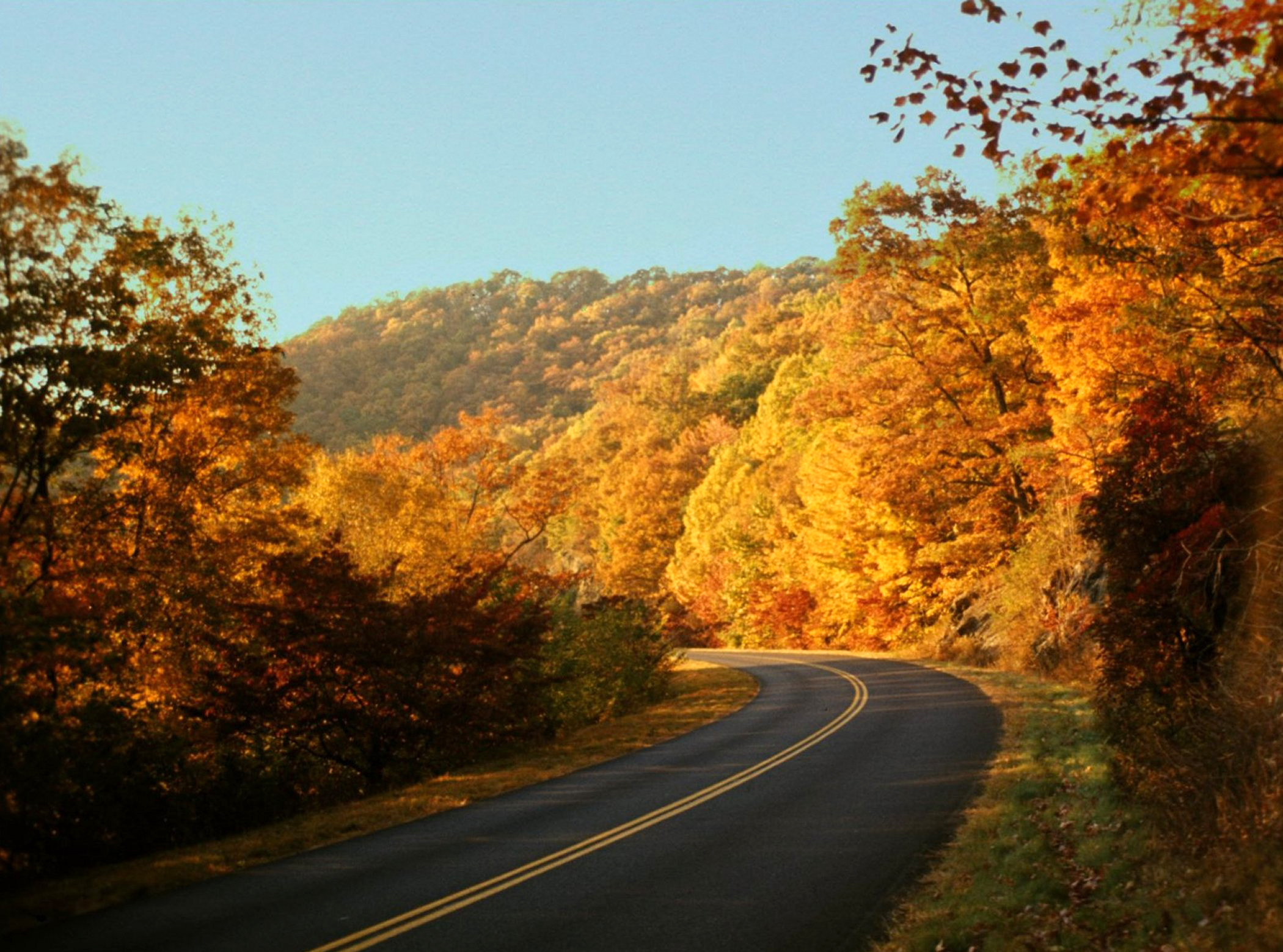
Best Places to See Fall Foliage in Asheville
Blue Ridge Parkway
The Blue Ridge Parkway is the most celebrated fall foliage drive in Eastern America — 469 miles of ridge-top road through the Southern Appalachians, with dozens of overlooks that frame the autumn forest in both directions. The section near Asheville (Milepost 382-423) passes through some of the most densely colored landscapes on the entire parkway. Our complete Blue Ridge Parkway stops guide covers the best overlooks and pullouts near Asheville in detail.
Key overlooks for fall color near Asheville: Craggy Gardens (MP 364, excellent for high-elevation color), Bull Creek Valley (MP 373, panoramic views over the valleys), Rough Ridge (MP 402, dramatic exposed rock with surrounding color), and Graveyard Fields (MP 418, easy access to multiple waterfalls surrounded by autumn color).
Black Balsam Knob
Black Balsam Knob at 6,214 feet is one of the most dramatic fall foliage viewpoints in Western NC — the bald summit sits above the treeline and provides 360-degree views of the surrounding forest at peak color. The hike is 3 miles round trip from the Black Balsam trailhead on Parkway Road 816 off the Blue Ridge Parkway. Our Asheville hiking guide covers this trail in full.
Craggy Gardens
Craggy Gardens (Milepost 364 on the Blue Ridge Parkway) is known primarily for its spectacular mid-June rhododendron bloom, but the high-elevation location makes it an early-season fall color destination as well. The exposed heath balds and surrounding spruce-fir forest change color before lower elevations — late September visits can catch peak color here when the city below is still mostly green.
Max Patch
Max Patch is a bald summit on the Appalachian Trail northwest of Asheville, accessible via a 1.5-mile trail from the Max Patch Road trailhead. The 360-degree views from the summit — with the Great Smokies visible to the southwest and the Blacks to the northeast — become extraordinary in autumn when the surrounding forest is at peak color. October weekends are extremely crowded; a sunrise visit or a mid-week visit in the last week of September finds much quieter conditions.
Bearwallow Mountain
Bearwallow Mountain east of Asheville (near Cane Creek) offers an excellent fall foliage hike with pastoral views — the summit is a bald pasture surrounded by forest, giving wide views across Henderson County’s farmland and the surrounding mountain ridges. The 5.1-mile out-and-back hike gains 1,700 feet of elevation and provides stunning fall panoramas without the Blue Ridge Parkway crowds.
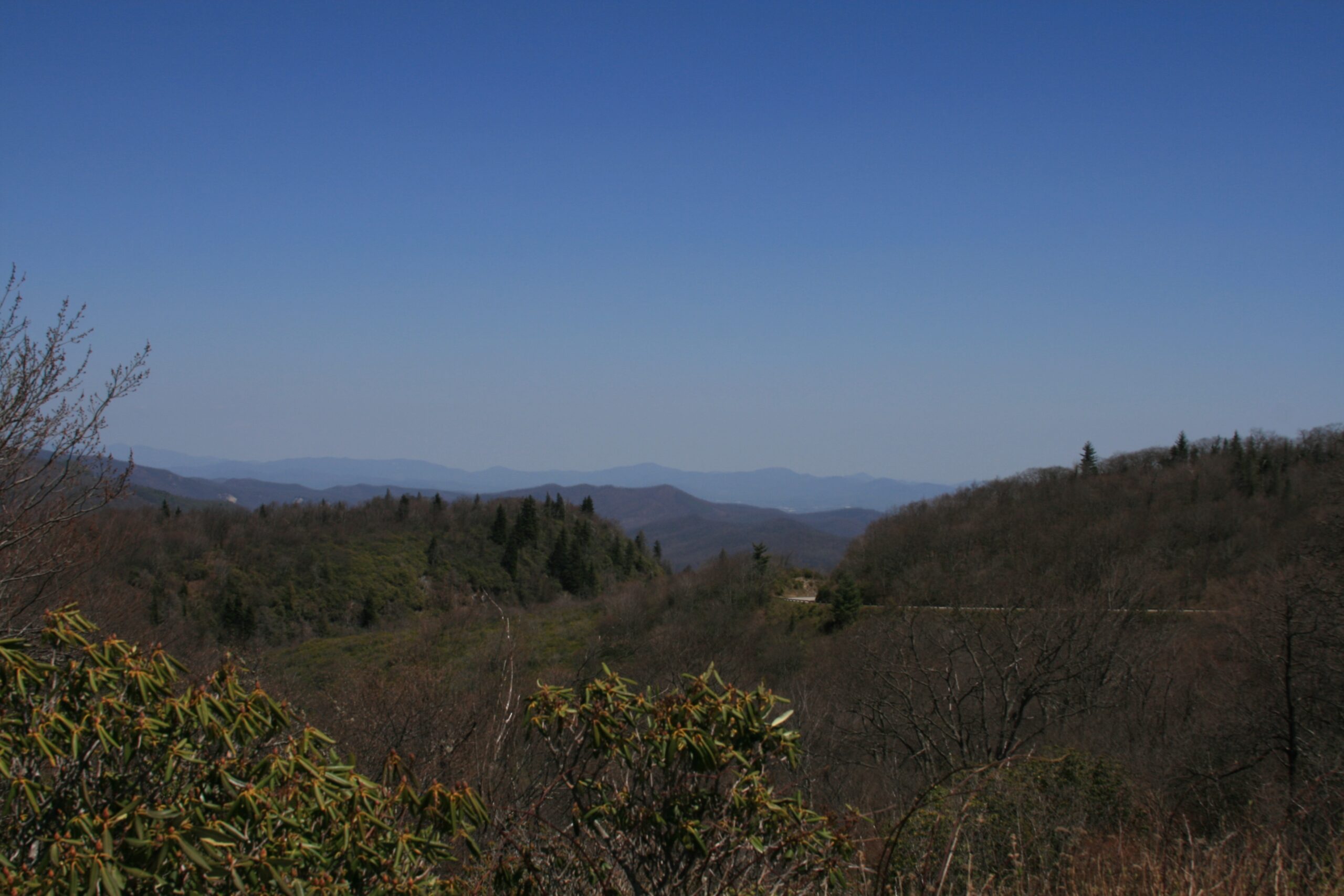
Asheville October: What to Expect
October is Asheville’s busiest month by a significant margin — hotel prices peak, restaurants fill weeks in advance, and the Blue Ridge Parkway can have significant traffic delays on sunny weekend afternoons. Visiting in October requires advance planning: book accommodation 4-8 weeks ahead, make restaurant reservations well in advance, and plan outdoor activities for weekday mornings when possible.
Despite the crowds, October in Asheville is genuinely spectacular. The combination of fall color, comfortable temperatures (typically 55-70°F during the day), the festival calendar (LEAF, Asheville Beer Week’s fall edition, and various farm harvest events), and the city’s restaurant and brewery scene operating at full capacity makes it one of the finest travel experiences in the South.
Asheville Fall Visit: Practical Tips
- Book accommodation 6-8 weeks ahead for mid-October — this is the busiest time of year
- Visit popular overlooks (Max Patch, Craggy Gardens) on weekday mornings or at sunset for fewer crowds
- The week before and after peak color (early and late October) offers better crowd ratios
- Check the Blue Ridge Parkway NPS website for closures — the Parkway occasionally closes sections in bad weather
- Weather changes rapidly in the mountains — bring layers even on warm October days
- The Biltmore Estate is spectacular in fall and is best visited mid-week; our {a(‘biltmore’,’Biltmore Estate tips guide’)} covers how to save money during peak season
Asheville Fall Colors: Best Viewing Conditions
Peak fall color requires specific conditions: adequate summer rainfall (drought reduces color intensity), a warm September followed by cool early October nights, and no early frost that destroys leaves before they color. The Southern Appalachians tend to have more reliable fall color than New England partly because of the extraordinary variety of tree species — over 100 hardwood species produce different colors at different times, extending the season.
The best light for photography is in the first hour after sunrise and the last hour before sunset — the low angle of autumn light saturates the colors in a way that midday light doesn’t. Overcast days actually produce better color photography than bright sunshine because cloud cover eliminates harsh shadows.
Frequently Asked Questions: Asheville Fall Foliage
When is peak fall foliage in Asheville NC?
Peak color at mid-elevations (most of Asheville’s accessible hiking and the Blue Ridge Parkway near the city) typically falls in the week of October 10-20. Higher elevations peak 2-3 weeks earlier; lower valleys 1-2 weeks later.
Is Asheville worth visiting in October?
Yes — October is Asheville’s finest month for scenery, though also its busiest and most expensive. Book accommodation and restaurants well in advance, plan outdoor activities for weekday mornings, and the experience is extraordinary.
What is the best drive for fall foliage near Asheville?
The Blue Ridge Parkway is the premier fall foliage drive — the section from Asheville north to Craggy Gardens (about 20 miles) and south to Graveyard Fields (about 35 miles) covers the finest scenery. US-276 into the Pisgah National Forest is an excellent alternative with fewer cars.
Ready to plan? See our hikes near Asheville guide for the best trails with fall views, and our where to stay in Asheville for accommodation options during peak fall season.