Bozeman to Yellowstone Road Trip: Two Routes, Best Stops, and Tips (2026)
The road trip from Bozeman to Yellowstone National Park is one of the great American driving experiences — two completely different 90-mile routes through Montana mountain scenery, each leading to a different entrance and a different side of the world’s first national park. Whether you choose the route through Gallatin Canyon and the Gallatin River, or the route east through Livingston and the Paradise Valley along the Yellowstone River, the drive itself is worth doing even before you reach the park boundary.
This guide covers both routes in full, the best stops along the way, and what to prioritize once you’re inside Yellowstone. For the broader Bozeman trip context, see our 3-day Bozeman itinerary.
Route 1: Bozeman → Gallatin Canyon → West Yellowstone (West Entrance)
Distance: 90 miles | Drive time: 1 hour 30 minutes (without stops)
This is the most scenic of the two main Bozeman–Yellowstone routes — US-191 south through Gallatin Canyon follows the Gallatin River for 50 continuous miles through a narrow canyon of 2,000-foot rock walls, white water rapids, and dense conifer forest. The canyon is so narrow in places that the river, the road, and the railroad share the same few hundred feet of valley floor. This is the river filmed in A River Runs Through It (1992).
Key Stops: Gallatin Canyon Route
Big Sky Resort Turnoff (Mile 48 from Bozeman)
At the junction of US-191 and MT-64, the Big Sky Resort access road heads west up Lone Mountain. Even if you’re not skiing, the Lone Peak Tram operates in summer for sightseeing and hiking access to 11,166 feet — with views of Yellowstone’s Absaroka Range, the Madison Range, and on clear days, the Teton Range 80 miles south in Wyoming.
Ousel Falls (near Big Sky)
Ousel Falls is a 40-foot waterfall in the South Fork of the West Fork of the Gallatin River, accessed via a 1.5-mile round-trip trail from the South Fork Road parking area near Big Sky. It’s the best short hike on this route and takes 45 minutes including the drive to the trailhead.
Karst Stage Stop / Upper Canyon
The upper section of Gallatin Canyon above Big Sky narrows dramatically as the canyon walls close in. The river runs harder here — Class IV whitewater in spring and early summer — and several roadside pullouts allow you to watch rafters navigate the rapids. The section between Big Sky and the Yellowstone boundary is the most visually dramatic part of the drive.
West Yellowstone, MT
West Yellowstone is a small service town of 1,300 people at the West Entrance to Yellowstone. It has several good restaurants (Serenity Bistro, Running Bear Pancake House), a grocery store, and the Yellowstone Giant Screen Theatre — a 60-foot screen showing an Yellowstone documentary that’s worth 45 minutes as orientation before entering the park.
Inside Yellowstone: West Entrance Highlights
Entering from the West Entrance puts you closest to Yellowstone’s most famous thermal features.
Grand Prismatic Spring (Midway Geyser Basin)
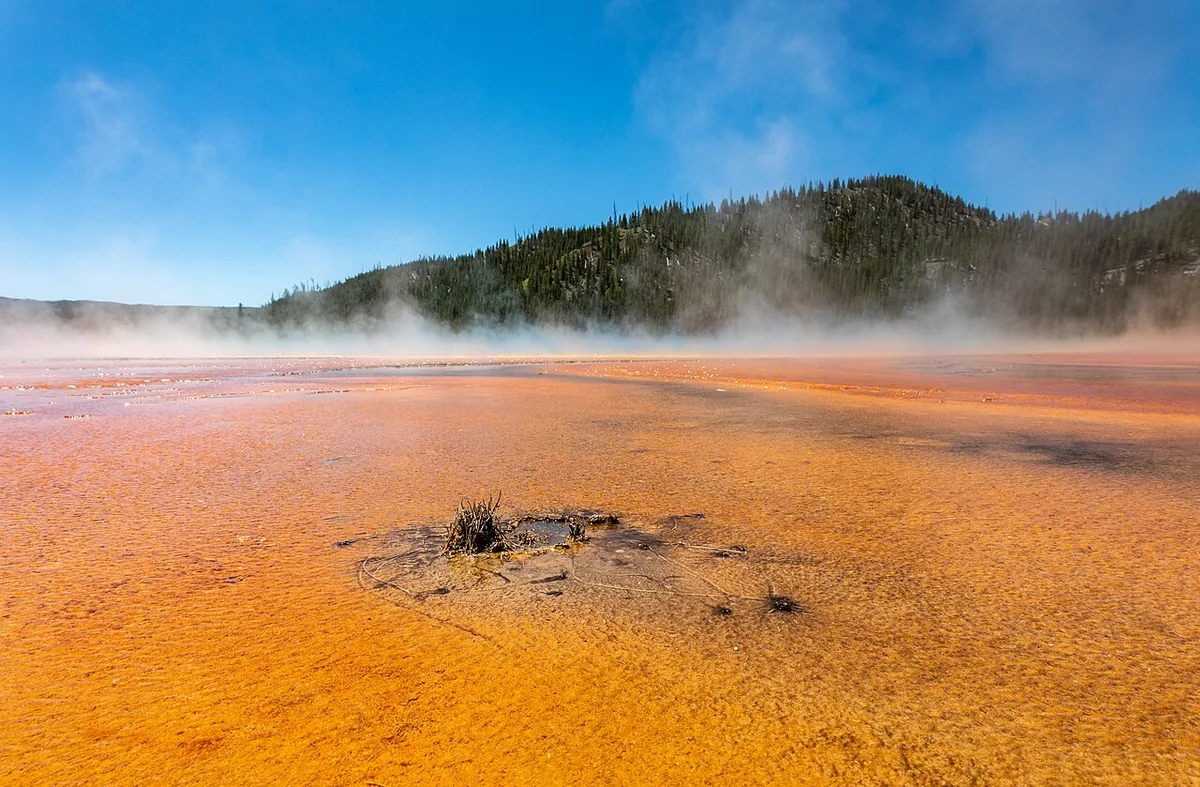
Grand Prismatic Spring is the largest hot spring in the United States and the most photographed thermal feature in Yellowstone — 370 feet across, with concentric rings of color produced by heat-tolerant bacteria ranging from deep blue (center, too hot for bacteria) through orange, yellow, and green at the cooler edges. The Midway Geyser Basin boardwalk provides close-up access; the Grand Prismatic Spring Overlook Trail (0.9 miles one-way) gives the iconic aerial perspective.
Old Faithful and Upper Geyser Basin
Old Faithful erupts every 44–125 minutes (average 90 minutes) to a height of 106–184 feet, expelling 3,700–8,400 gallons of boiling water per eruption. Predicted eruption times are posted at the visitor center and on the NPS app. The Upper Geyser Basin surrounding Old Faithful contains the highest concentration of geysers in the world — 150 geysers within 1 square mile.
Firehole River Swimming Area
One of Yellowstone’s best-kept secrets — the Firehole River, heated by thermal runoff from the geyser basins, maintains a swimmable temperature of 80–95°F in a specific canyon section near Firehole Canyon Drive. Swimming is free and the canyon scenery is spectacular. It’s one of the few places in Yellowstone where swimming is officially permitted.
Route 2: Bozeman → Livingston → Paradise Valley → Gardiner (North Entrance)
Distance: 90 miles | Drive time: 1 hour 30 minutes (without stops)
The Paradise Valley route heads east from Bozeman on I-90 to Livingston, then turns south on US-89 through the Paradise Valley — a 50-mile corridor between the Absaroka Range and the Gallatin Range along the Yellowstone River. The valley is one of the most beautiful in Montana, with the Yellowstone River running clear and cold through ranch land backed by 10,000-foot peaks.
Key Stops: Paradise Valley Route
Livingston, MT
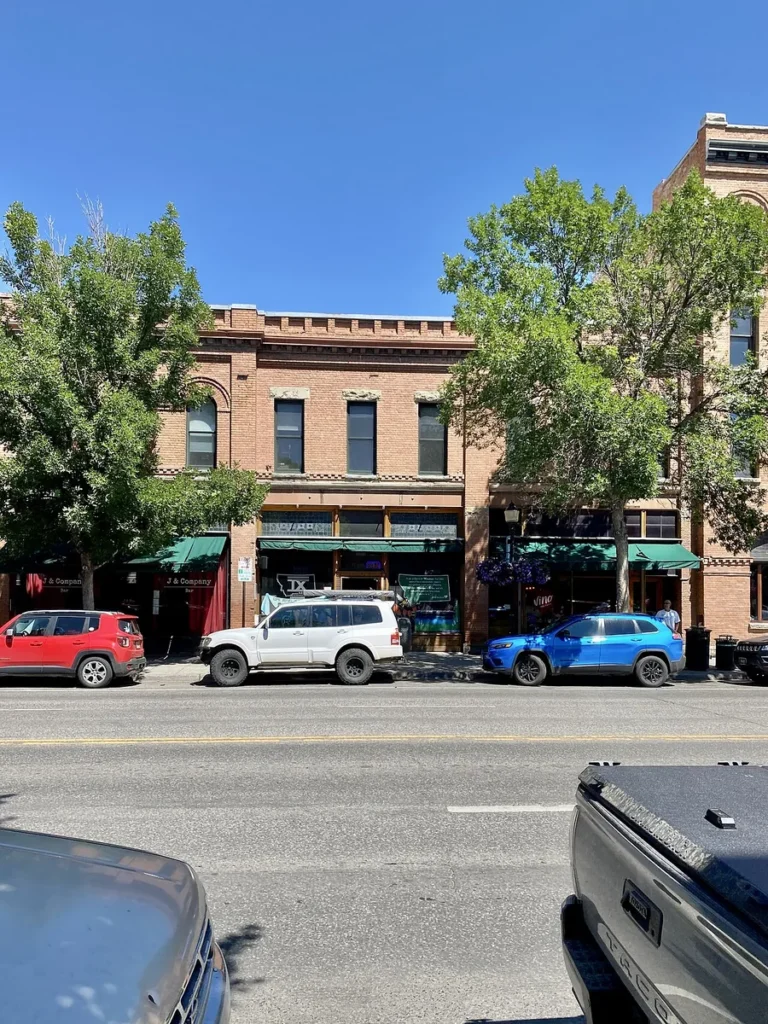
Livingston (55 miles east of Bozeman on I-90) is an 1882 railroad town on the Yellowstone River with one of the most authentic Western Main Streets in Montana. The Livingston Depot Center (200 W Park St) is a beautifully restored 1902 Northern Pacific Railroad station converted into an art museum. The town has excellent restaurants — Gil’s Goods and the Rib and Chop House are both worth stopping for lunch on the drive south.
Paradise Valley
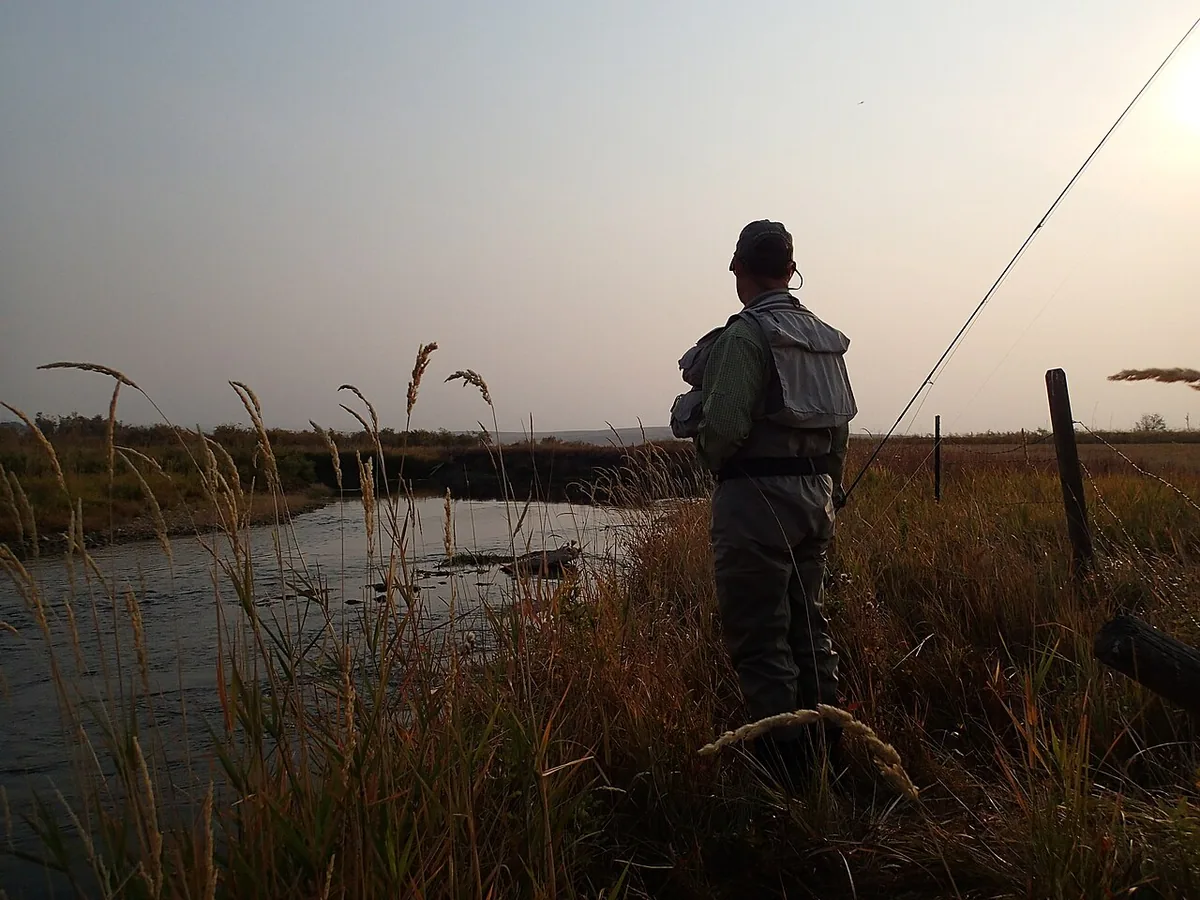
US-89 south of Livingston follows the Yellowstone River for 50 miles through the Paradise Valley. Several pullouts allow fishing access to the river, which is a designated blue-ribbon trout fishery for its entire length through the valley. The views of the Absaroka Range — the eastern wall of Yellowstone’s plateau — are some of the most dramatic mountain scenery in Montana.
Chico Hot Springs
Chico Hot Springs (50 miles south of Livingston at 163 Chico Rd, Pray, MT) is a legendary Montana resort — natural geothermal pools, a historic 1900 hotel, and one of the best restaurants in the region (the Chico dining room). A 90-minute soak stop here is one of the best additions you can make to the Paradise Valley route, either on the drive south or the return trip.
Gardiner, MT
Gardiner sits at the North Entrance of Yellowstone — the only entrance open to wheeled vehicles year-round. The 1903 Roosevelt Arch marks the official park boundary. Gardiner has a handful of motels, the Absaroka Lodge with Yellowstone River views, and the best base for early-morning Lamar Valley wildlife watching.
Inside Yellowstone: North Entrance Highlights
Mammoth Hot Springs
Just 5 miles inside the North Entrance, Mammoth Hot Springs is Yellowstone’s most architecturally distinctive thermal feature — terraces of travertine (calcium carbonate) deposited by hot spring water into white and orange stepped formations that look like frozen waterfalls. The Upper and Lower Terrace boardwalks take 60–90 minutes to walk completely.
Lamar Valley
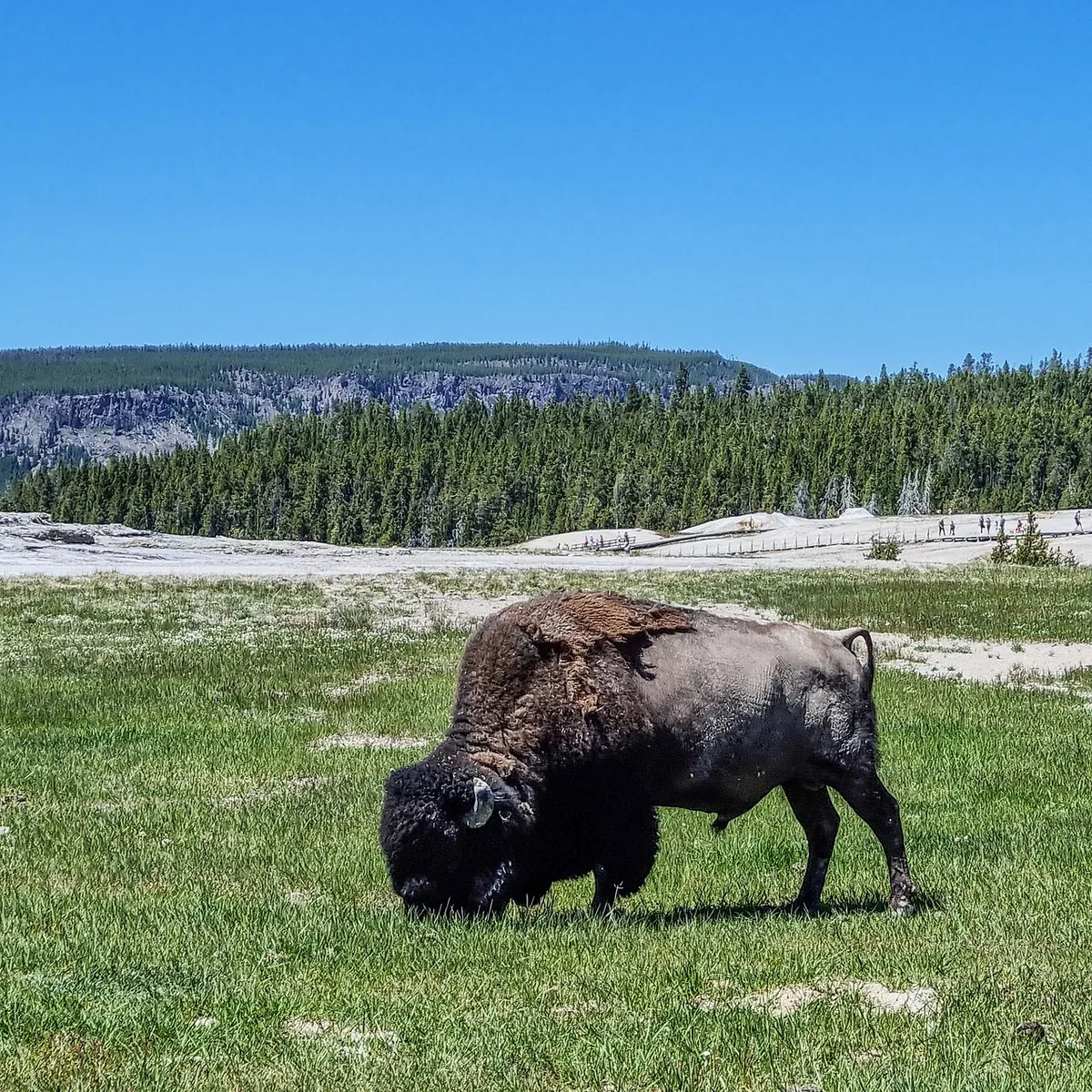
Lamar Valley is the best wildlife watching site in the lower 48 states. The valley’s broad meadows and bison herds support wolf packs, grizzly bears, pronghorn, elk, and coyotes — all frequently visible from the road. Dawn and dusk are the best times; the Slough Creek turnout and the Lamar River pullout are the most productive watching spots.
Grand Canyon of the Yellowstone
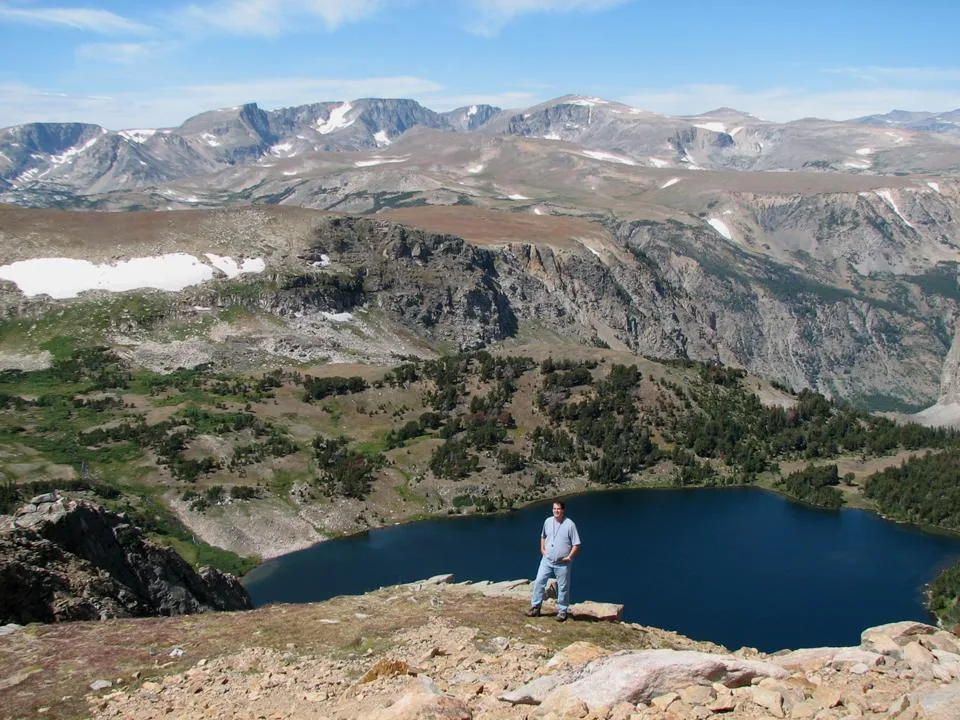
The Grand Canyon of the Yellowstone is a 24-mile, 1,000-foot-deep gorge cut by the Yellowstone River through rhyolite rock tinted yellow, orange, and red by hydrothermal activity. The Lower Falls (308 feet — nearly twice the height of Niagara) viewed from Artist Point on the South Rim is the single most dramatic viewpoint in Yellowstone.
Bozeman to Yellowstone Routes: Comparison
| Route | Distance | Drive Time | Best For | Top Stop |
|---|---|---|---|---|
| Gallatin Canyon → West Entrance | 90 miles | 1.5 hrs | Geysers, thermal features | Grand Prismatic Spring |
| Paradise Valley → North Entrance | 90 miles | 1.5 hrs | Wildlife, canyon views | Lamar Valley |
| Beartooth Highway → NE Entrance | 135 miles | 3 hrs | Scenic drive, alpine | Beartooth Pass (10,947 ft) |
Practical Tips for the Bozeman–Yellowstone Road Trip
- Yellowstone entrance fee: $35 per vehicle, valid 7 days. The America the Beautiful Annual Pass ($80) covers Yellowstone and all US national parks and pays for itself in 3 visits.
- Book Yellowstone lodging months ahead. In-park lodging (Old Faithful Inn, Lake Yellowstone Hotel) books out 6–12 months in advance for summer. Gardiner and West Yellowstone have more availability but still fill quickly in July–August.
- Cell service ends at the park boundary. Download the NPS Yellowstone app and offline maps before leaving Bozeman.
- Wildlife viewing etiquette: Stay at least 100 yards from bears and wolves, 25 yards from bison and all other animals. More visitors are injured by bison than by bears in Yellowstone annually.
- Fill your gas tank in Bozeman or West Yellowstone. Gas inside Yellowstone is available only at Grant Village and Fishing Bridge — at prices 30–40% above outside the park.
See our complete Bozeman travel guide for more tips on the drive, the best time to visit, and how to combine a Yellowstone trip with the rest of your Bozeman itinerary.
Frequently Asked Questions
How long is the drive from Bozeman to Yellowstone?
Both main routes from Bozeman to Yellowstone — via Gallatin Canyon to the West Entrance and via Paradise Valley to the North Entrance — are approximately 90 miles and take 1 hour 30 minutes without stops. With stops at Chico Hot Springs, Big Sky, or riverside viewpoints, plan 2.5–3 hours each way.
Which Yellowstone entrance is closest to Bozeman?
The North Entrance (Gardiner) and West Entrance (West Yellowstone) are equidistant from Bozeman at 90 miles each. The West Entrance is better for geyser basins and Old Faithful. The North Entrance is better for Lamar Valley wildlife and Mammoth Hot Springs, and is the only Yellowstone entrance open year-round to vehicles.
Can you do Yellowstone as a day trip from Bozeman?
Yes — a focused Yellowstone day trip from Bozeman is achievable. Leave by 7 a.m., choose one entrance and one area (geyser basins via West Entrance or Lamar Valley via North Entrance), and plan to return to Bozeman by 8–9 p.m. Trying to see more than one major area of the park in a single day leads to rushed visits and significant traffic delays in peak season.
What is the best time to drive to Yellowstone from Bozeman?
The best time to make the Bozeman–Yellowstone drive is early morning — leave by 6:30–7 a.m. to arrive before the crowds. Summer midday traffic inside the park can create 30–45 minute delays at Old Faithful and Grand Prismatic. The Paradise Valley route is stunning at dawn with the Absaroka peaks catching the first light.