Bar Harbor Whale Watching Tours: Guide & Prices (2026)
Bar Harbor, Maine, is one of the best places on the East Coast to go whale watching. The cold, nutrient-rich waters of the Gulf of Maine support some of the highest concentrations of whales in the world, and boat tours from Bar Harbor’s town pier reach Jeffreys Ledge and the Stellwagen Bank area — prime feeding grounds for humpbacks, fin whales, and minke whales. This guide covers Bar Harbor whale watching tours for 2026: companies, prices, best times to go, and exactly what you’ll see.
Bar Harbor whale watching quick facts: Tours run late May through mid-October. Trip duration is 3.5–4 hours. Humpback, fin, and minke whales are most common June–October. Best sighting months are July–September. Adults pay $55–70 per ticket. Bar Harbor Whale Watch Company is the main operator — book online at barharborwhales.com to guarantee a spot in July and August.
What Whales Will You See from Bar Harbor?
| Species | Season | Sighting Frequency | Key Behavior |
|---|---|---|---|
| Humpback whale | June–October | High | Breaching, tail slaps, bubble-net feeding |
| Fin whale | May–October | Moderate–High | Fast-swimming, large (2nd largest on Earth), seldom breach |
| Minke whale | May–October | Moderate | Small, fast, surface briefly |
| North Atlantic right whale | Variable | Rare | Critically endangered (340 remaining); sightings are exceptional |
| Harbor porpoise | May–November | High | Small, frequent, visible in Frenchman Bay |
| Atlantic white-sided dolphin | June–October | Variable | Group bow-riding near boats |
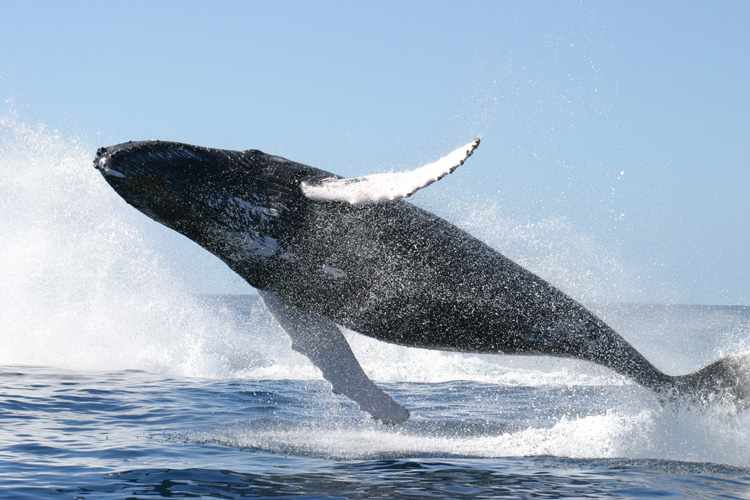
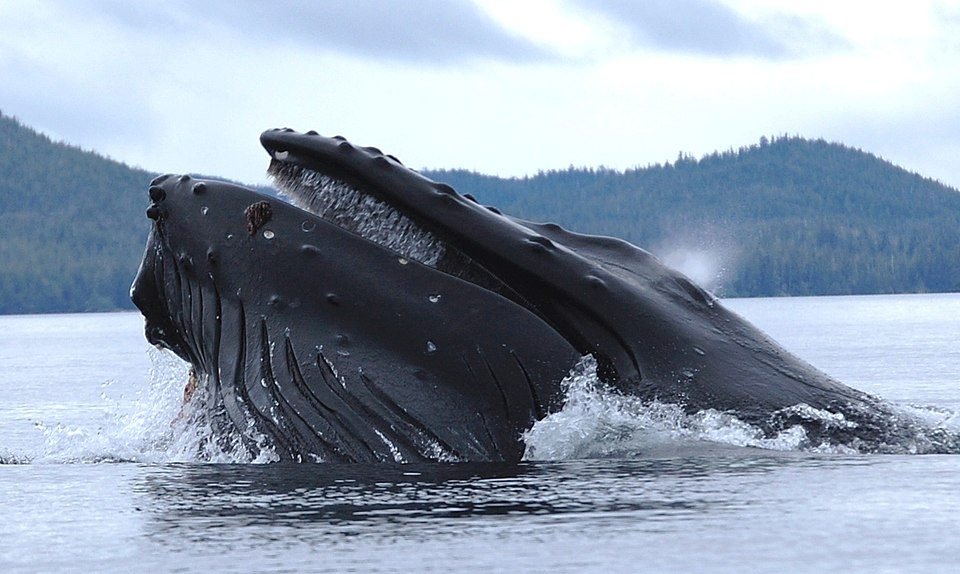
Humpback whales are the star attraction. Adults reach 52 feet and 40 tons, and humpbacks are the most acrobatic — they breach (launching 90% of their body out of the water), slap the surface with their fins and tails, and engage in bubble-net feeding, a cooperative hunting technique where groups of whales blow spiraling columns of bubbles to concentrate fish, then lunge upward through the school with mouths open. Witnessing bubble-net feeding is a once-in-a-lifetime wildlife experience.
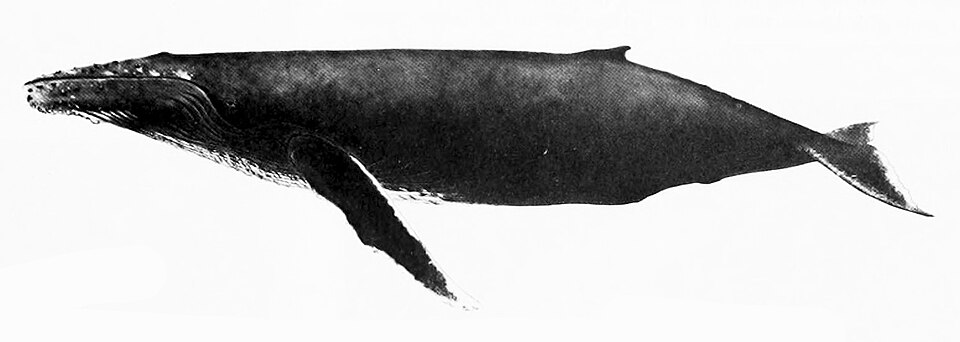
Fin whales are the second-largest animal on earth (behind blue whales), reaching 85 feet. They’re common in the Gulf of Maine but less dramatic than humpbacks — they surface for 5–15 breaths, then dive for 5–15 minutes without showing their tails. The size is still staggering: seeing a 70-foot fin whale surface 30 feet from the boat is unforgettable.
The North Atlantic right whale is one of the most endangered marine mammals on earth, with fewer than 360 individuals remaining. Sightings from Bar Harbor tours are rare but not unheard of — if your captain spots one, it’s a legally significant wildlife event and the boat will maintain at least 500 yards distance as required by federal law.
Bar Harbor Whale Watching Tour Companies (2026)
1. Bar Harbor Whale Watch Company — Main Operator
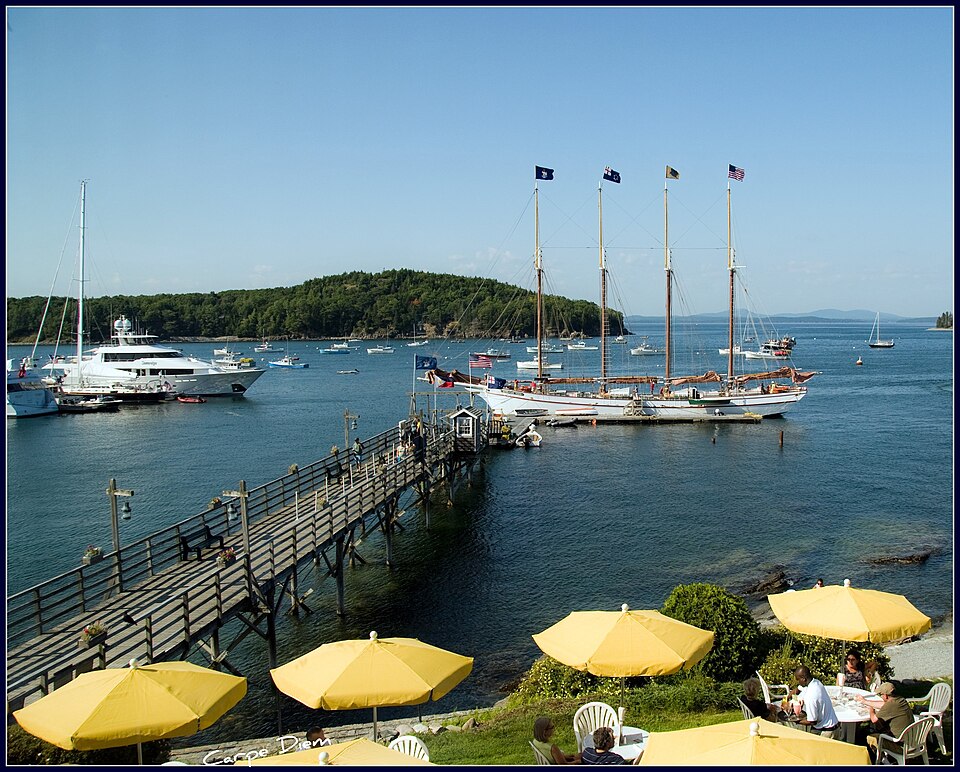
Bar Harbor Whale Watch Company has operated from Bar Harbor town pier since 1979 and is the primary whale watching operator on Mount Desert Island. Their 110-foot vessel Cat carries up to 149 passengers and reaches the whale grounds faster than any competitor. Onboard naturalists from the Allied Whale program (part of College of the Atlantic, a Bar Harbor institution) narrate every sighting with marine biology context.
- Departure point: Bar Harbor Town Pier (27 Main Street)
- Adult price: $65 (online), $70 (at dock)
- Child price (3–14): $42 online
- Trip duration: 3.5–4 hours
- Season: Late May–mid-October
- Schedule: July–August: 8 AM, 12 PM, 4 PM departures. June, September–October: 1 departure daily at 10 AM or 1 PM
- Guarantee: No whale sighting = 50% off your next tour
- Book at: barharborwhales.com (strongly recommended for July and August)
2. Acadia Whale Watching — Smaller Boat Option
Acadia Whale Watching operates a smaller vessel (max 49 passengers) for a more intimate experience. Smaller groups mean easier viewing positions and a quieter deck. Price is comparable to Bar Harbor Whale Watch ($62–65/adult). Departure from Bar Harbor town pier; trips run late June through September. The smaller boat size means more motion in rough conditions — if you’re prone to seasickness, the larger Cat is more stable.
Best Time to Go Whale Watching from Bar Harbor
| Month | Whale Activity | Weather | Sighting Rate | Crowds on Boat |
|---|---|---|---|---|
| May–June | Building — mostly minkes and fins | Variable, cool | Moderate (75–85%) | Low |
| July | Peak — humpbacks, fins, minkes daily | Warm, stable | Very High (90–95%) | Very High — book weeks ahead |
| August | Peak — same as July | Warm, stable | Very High (90–95%) | Very High — book weeks ahead |
| September | Excellent — whales concentrating before migration | Cooling, calmer seas | High (88–93%) | Moderate |
| October | Solid — last tours, smaller groups | Cool, rougher swells possible | High (82–90%) | Low |
September is the sweet spot for whale watching from Bar Harbor: sighting rates remain very high, summer crowds have dropped, weather is generally stable, and experienced naturalists note that whale behavior (breaching, tail-slapping) is often more active in September as whales feed intensively before migrating south. July and August guarantee high sighting rates but require advance booking.
What to Bring on a Bar Harbor Whale Watching Tour
- Layers: Even in August, open water is 10–15°F cooler than Bar Harbor town. A fleece layer and windproof jacket are essential on the top deck.
- Sunscreen and sunglasses: The sun reflects intensely off the water; sunburn is common even on overcast days.
- Anti-seasickness medication: Take Dramamine or meclizine 1 hour before departure if you have any tendency toward motion sickness. The Gulf of Maine can have significant swells. Wrist bands (Sea-Bands) also work for mild sensitivity.
- Binoculars: A 7×35 or 8×42 pair dramatically improves viewing of distant breaching and fin whale surfacing. The boat’s naturalists announce sightings, but binoculars let you pick up detail.
- Camera: A 200mm+ zoom lens on a DSLR or mirrorless camera gives the best results. Smartphone cameras struggle at distance; bring a zoom lens or use the boat’s naturalist’s spotting position.
- Water and snacks: Tours are 3.5–4 hours. The boat has a small snack bar, but bringing your own food is fine. Ginger candy helps with mild nausea.
- Motion sickness bag: Take one from the boat just in case — better to have it and not need it.
Whale Watching with Children: What to Know
Whale watching with kids can be magical — or challenging. A few tips for families:
- Minimum age: Bar Harbor Whale Watch Company accepts children 3 and older. Children under 3 ride free if they sit on a lap.
- Book the morning tour in July–August: Calmer seas early in the day reduce seasickness risk for kids.
- Seat the kids amidships (middle of the boat): This is the most stable position and has the least motion.
- Pre-dose with children’s Dramamine: Per your pediatrician’s advice — it makes a real difference.
- Bring snacks and distractions: When whales aren’t visible, the 20-minute transits can test short attention spans.
- The sighting itself is unforgettable: Children who witness a humpback breach 50 feet from the boat remember it for years.
Beyond Whale Watching: Other Wildlife on the Tours
The Gulf of Maine is extraordinarily rich in marine wildlife beyond the whales. On most tours, you’ll also encounter:
- Harbor seals and gray seals: Often visible hauled out on rocks near the Porcupine Islands even before you leave Frenchman Bay.
- Atlantic puffins: Nest on islands south of Bar Harbor; occasional sightings from the whale watch route in summer.
- Gannets: Large seabirds that dive-bomb fish from 100 feet; spectacular to watch when feeding near the boat.
- Shearwaters: Sooty and greater shearwaters arrive in the Gulf of Maine by the thousands in late summer and often skim alongside the boat.
- Phalaropes: Small shorebirds that spin in circles to stir up plankton — found in huge rafts on the whale grounds.
Allied Whale Research Program
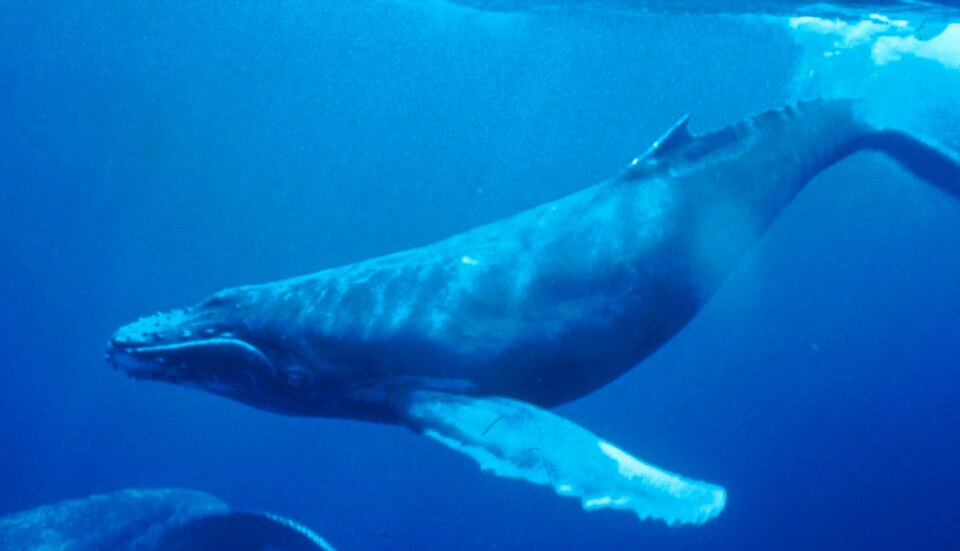
Bar Harbor Whale Watch Company partners with Allied Whale, a marine mammal research organization based at the College of the Atlantic. Allied Whale’s researchers have catalogued over 1,000 individual humpback whales in the Gulf of Maine since 1975, identifying each animal by the unique black-and-white pattern on the underside of its tail flukes. The onboard naturalist photographs every whale tail on each tour and contributes the data to Allied Whale’s long-term database. This makes your tour ticket a genuine contribution to marine mammal science — passengers often name the whales they photograph.
Frequently Asked Questions
Is Bar Harbor a good place for whale watching?
Yes — Bar Harbor is one of the best whale watching destinations on the US East Coast. The cold Gulf of Maine waters support some of the highest concentrations of humpback, fin, and minke whales in the world. Sighting rates on Bar Harbor Whale Watch Company tours average 90%+ in July–September. The College of the Atlantic’s Allied Whale researchers provide expert narration on all tours.
How likely am I to see whales from Bar Harbor?
Very likely. Bar Harbor Whale Watch Company reports a 90–95% whale sighting rate in July and August, dropping slightly to 82–90% in September and October. On the very rare occasions when whales aren’t spotted, the company offers a 50% discount on a return trip. In 40+ years of operation, complete whale sighting failures are unusual.
Is whale watching in Bar Harbor worth it?
For most visitors, absolutely. Witnessing a 40-ton humpback breach 50 feet from the boat is a genuinely life-changing wildlife experience — photographs do not do justice to the scale. The 3.5-hour investment, the $65 ticket price, and the possibility of rough seas are all worth it for a sighting. If you go, choose a departure time that matches calm weather conditions (morning is usually calmer).
When does whale watching end in Bar Harbor?
Bar Harbor Whale Watch Company typically runs tours through mid-October, with the exact end date depending on whale activity and weather. By late October, whales have migrated south. Plan your whale watching visit for September or early October for the best combination of high sighting rates and manageable crowds.
Bar Harbor has more to offer beyond the water — see our guide to things to do in Bar Harbor in October for fall activities, and our romantic couples itinerary for an evening on the water by schooner.