Hidden Gems in Harpers Ferry, WV: Secret Spots Most Visitors Miss
Most visitors to Harpers Ferry follow a predictable path: John Brown’s Fort, Jefferson Rock, a walk through the lower town, maybe the Maryland Heights hike. That path exists because those places are genuinely extraordinary — but Harpers Ferry and the surrounding river landscape reward exploration beyond the obvious. This guide covers the hidden gems: the viewpoints locals return to, the history most visitors never encounter, the hikes that stay empty even on busy fall weekends, and the small discoveries that transform a good trip into a memorable one.
1. The Shenandoah Street After Hours
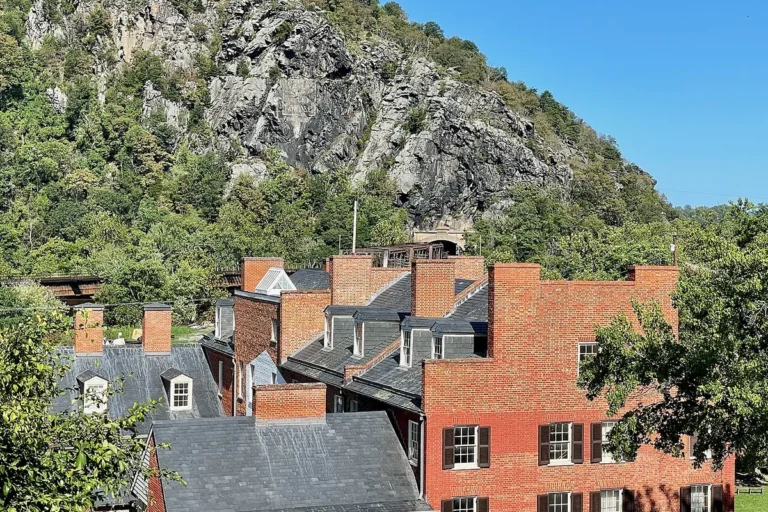
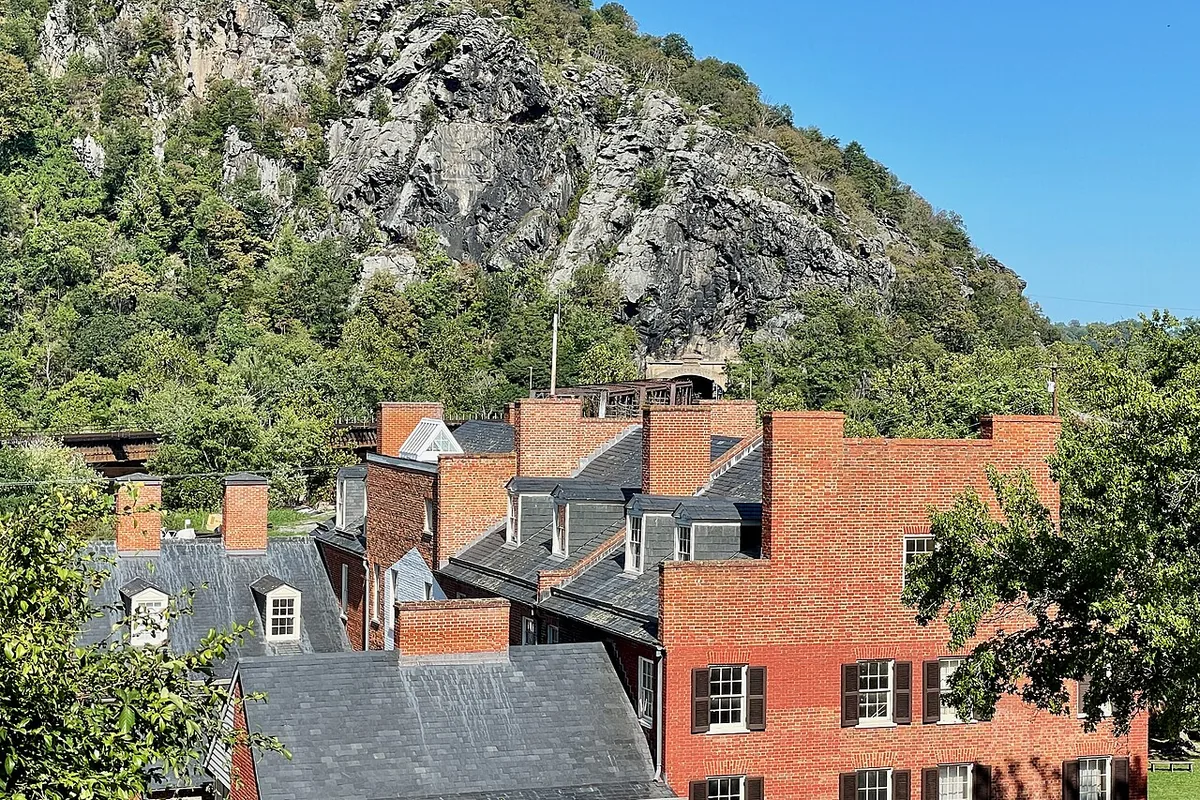
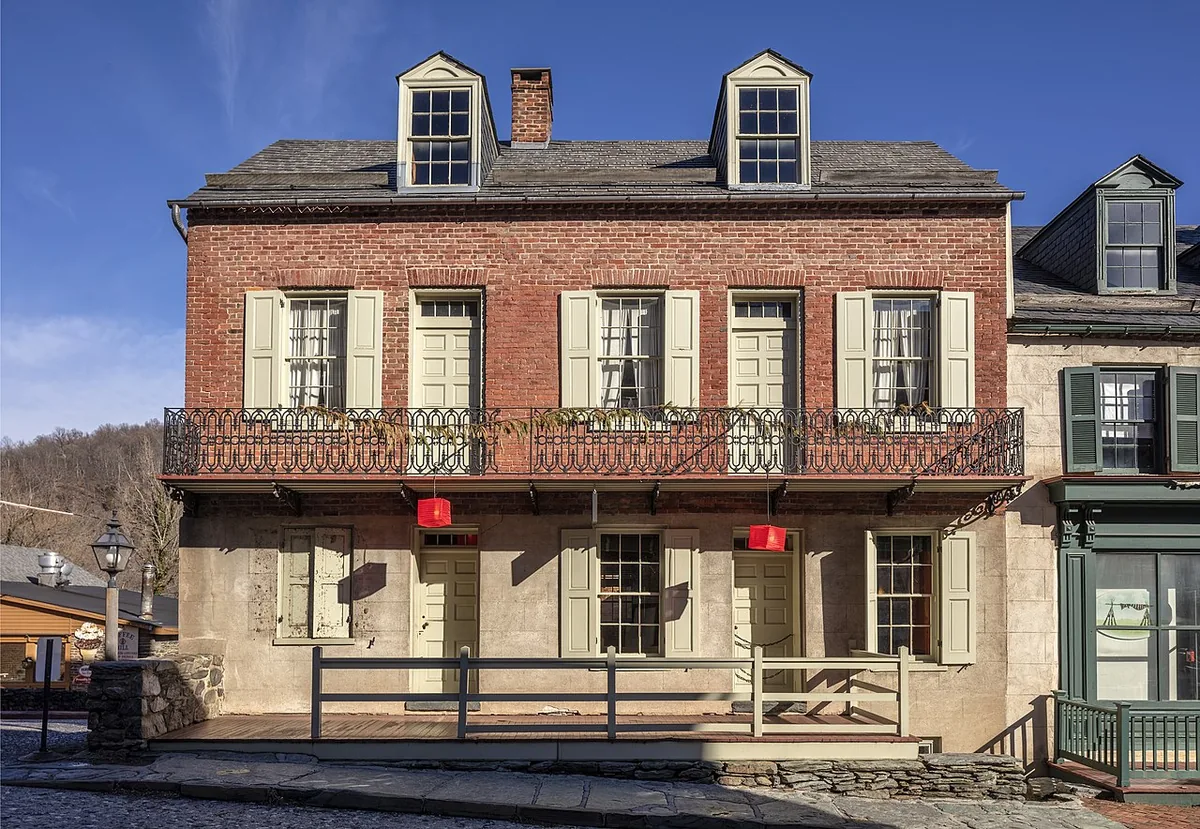
The lower town of Harpers Ferry feels entirely different after the day visitors leave. By late afternoon on weekdays, and by early evening even on weekends, the cobblestone streets empty out and the historic district takes on a character that daylight crowds obscure. The sound of the rivers becomes audible. The old stone buildings catch the low western light. The town that exists in this quieter hour is closer to the 19th century than the busy daytime version.
If you are staying overnight, make a point of walking the lower town in the early morning before 8am and again in the hour before sunset. Both windows deliver the town as its full atmospheric self rather than a background for selfies.
2. The Black Voices from Harpers Ferry Exhibit
This NPS exhibit in the lower town is one of the most important and least-visited in the entire park. Most visitors focus on John Brown’s Fort and the Civil War history — both of which are fully covered elsewhere. The Black Voices exhibit covers a broader and in many ways more consequential story: the lives of enslaved workers at the federal armory, free Black residents of Harpers Ferry across the 19th century, the meaning of John Brown’s raid to Black Americans at the time (almost universally viewed as heroic, in contrast to the more ambivalent white Northern reaction), and the founding of Storer College — one of the first integrated colleges in the United States.
The exhibit culminates with the 1906 Niagara Movement meeting at Storer College, where W.E.B. Du Bois brought the predecessor organization of the NAACP to Harpers Ferry specifically for its symbolic resonance with John Brown’s legacy. This is American civil rights history of the highest significance, told at the place where it happened, and most visitors walk right past the building.
3. Loudoun Heights: The Less-Traveled Hike
Everyone who does a ridge hike in Harpers Ferry does Maryland Heights. Loudoun Heights, on the Virginia side of the Shenandoah, delivers a comparably dramatic perspective on the town and river confluence with roughly half the foot traffic.
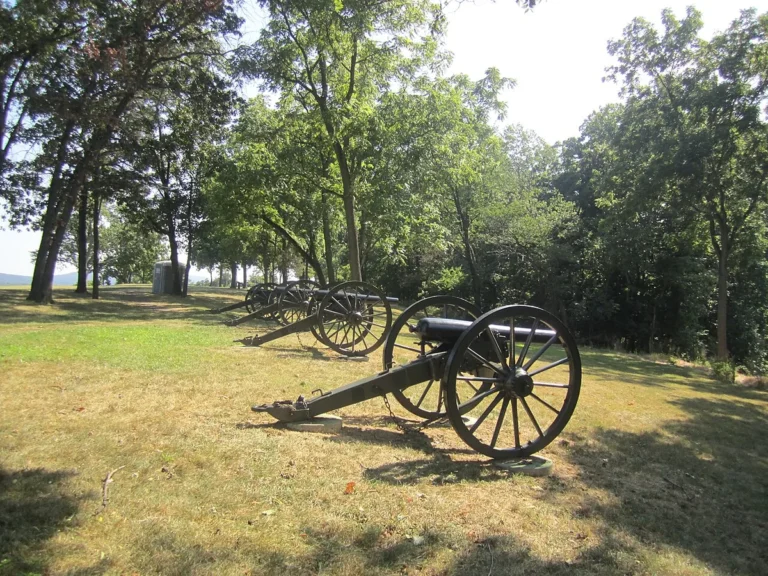
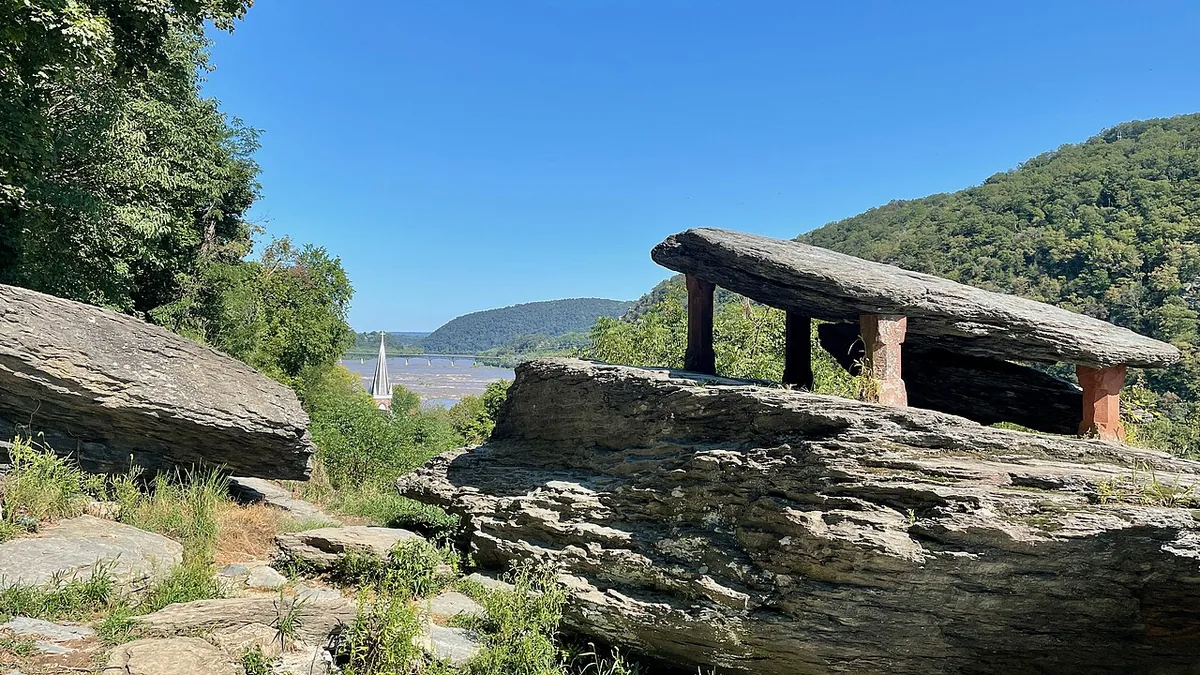
The Loudoun Heights Trail (about 6 miles round trip from the lower town via the pedestrian bridge) climbs the ridge above the Shenandoah for views looking north across the confluence. The perspective is different from Maryland Heights — you see the town from the south rather than the north — and the trail passes through Civil War earthworks and fortifications that receive relatively little attention compared to the Maryland Heights battery.
On fall weekends when the Maryland Heights trail is packed, Loudoun Heights is often nearly empty. The foliage views are equally spectacular. This is perhaps the single most underused trail in the Harpers Ferry area.
4. The Storer College Campus Ruins
On the hill above the lower town, the ruins and surviving buildings of Storer College occupy a quiet campus that very few visitors explore. Founded in 1867 for the education of formerly enslaved people, Storer College operated until 1955 and left a physical campus that the NPS now interprets as part of the historical park.
The surviving buildings — including Anthony Hall and Lincoln Hall — are among the most historically significant structures in Harpers Ferry, though they receive far less visitor attention than John Brown’s Fort below. Walking the Storer College campus puts you on the ground where the Niagara Movement met in 1906 and where generations of Black students received an education in defiance of the post-Civil War South. This is where the civil rights movement took some of its earliest organized steps.
5. The C&O Canal Towpath at Dawn
The C&O Canal towpath begins its 185-mile run to Washington D.C. at the Maryland side of the railroad bridge — and in the early morning hours, it is one of the most peaceful and beautiful walks available anywhere near Harpers Ferry. Cross the pedestrian bridge before 7am and walk the flat towpath east along the Potomac as the sun comes up over the Maryland ridges.
The first few miles of the towpath pass through mature riparian forest with the Potomac on one side and the old canal channel on the other. Great blue herons work the shallows, kingfishers patrol the canal, and the light on the water in the morning hours has a quality that photographers chase specifically. By the time you turn back toward town, the first day-trip visitors will be arriving — and you will have had the landscape to yourself for the best hours of the day.
6. The Harper Cemetery
Tucked above the lower town on the path to Jefferson Rock, the Harper Cemetery is one of the oldest burial grounds in the region and a quiet, historically layered spot that most visitors walk through without stopping. Robert Harper himself — the founder of the town — is buried here, along with generations of families whose names appear throughout the town’s history. The gravestones span from the 18th century through the Civil War era, and the cemetery’s hillside position gives partial views toward the rivers through the trees.
Take a few minutes here on your way up to Jefferson Rock. The cemetery is a small but genuine portal into the human story of this place across the centuries.
7. The AT in Virginia: Keys Gap to Harpers Ferry
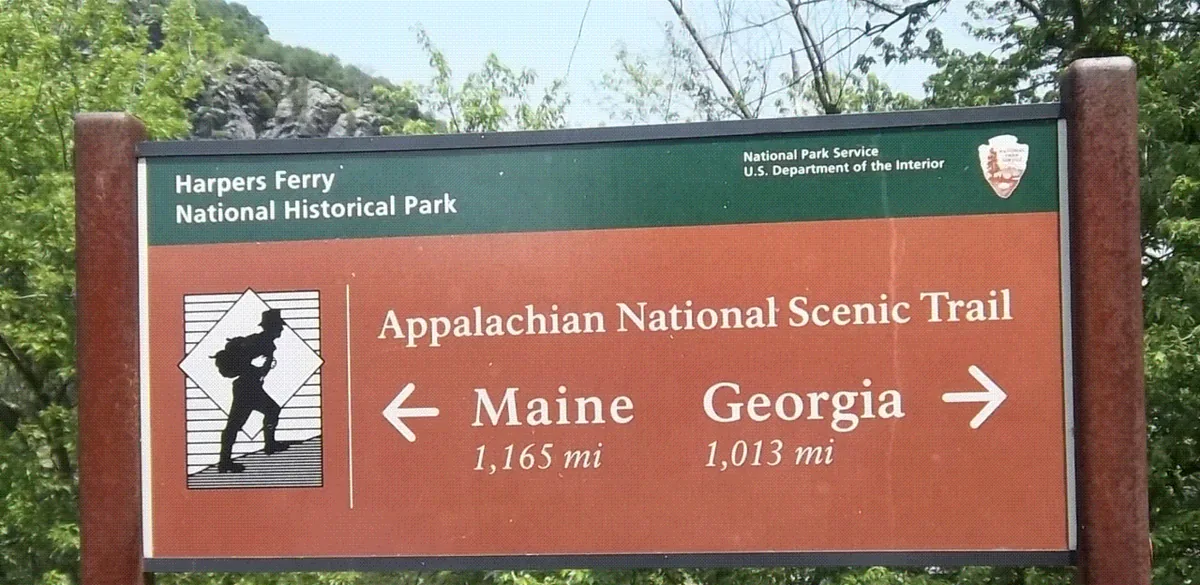
Most day hikers who walk a section of the Appalachian Trail near Harpers Ferry head north into Maryland. The southward section into Virginia — from Harpers Ferry through Loudoun Heights and on to Keys Gap — is less traveled and offers different terrain and perspectives on the Blue Ridge country south of the Potomac.
The section from Harpers Ferry to Keys Gap and back (approximately 10 miles round trip) passes through Virginia farm country on the lower elevations before climbing back into the ridge forest. It is a noticeably different landscape than the Maryland side — more pastoral, less dramatic, but with its own understated beauty. On busy fall weekends, the Virginia AT section from Harpers Ferry is usually much less crowded than the Maryland Heights approach.
8. The Hilltop House View
The Hilltop House Hotel, a historic property on the heights above the lower town, has been closed for renovation for years — but the grounds around the property offer a lesser-known elevated viewpoint of the river confluence and surrounding countryside. The perspective from here is different from Jefferson Rock and gives a broader sense of the geographic setting of the town within its mountain bowl.
Check current NPS access information for this area, as access policies around the Hilltop House grounds have varied over time.
9. Shepherdstown’s Tuesday Night at the Mecklenburg Inn
Ten miles west of Harpers Ferry, Shepherdstown is itself a hidden gem within the larger Harpers Ferry travel experience. And within Shepherdstown, the Mecklenburg Inn is an institution — West Virginia’s oldest continuously operating tavern, dating to 1876. On Tuesday evenings, the Mecklenburg hosts a weekly traditional music session that draws local musicians and the occasional traveling player for a few hours of bluegrass, old-time, and Appalachian music in the tavern’s unpretentious back room.
This is not a tourist event. It is locals playing music for the love of it, in a building that has been facilitating exactly this kind of gathering for 150 years. If your Harpers Ferry trip includes a Tuesday evening and you have any appreciation for traditional music, do not miss it.
10. The Point: The River Confluence at Low Water
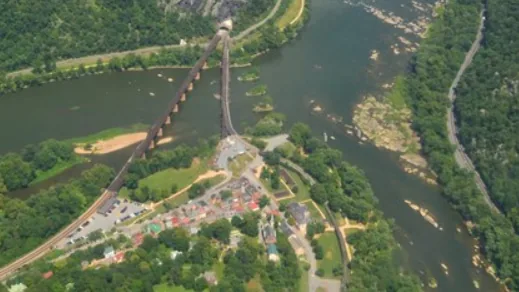
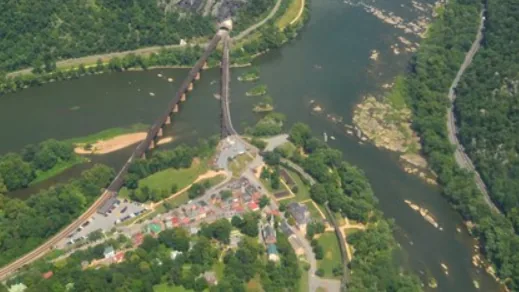
The most dramatic geographic feature of Harpers Ferry — the actual point where the Potomac and Shenandoah rivers meet — is best experienced from water level rather than from the overlooks above. When water levels are low enough in late summer and early fall, you can walk (or wade) to the rocky point at the confluence and stand in a place where two rivers become one, with the mountains rising on three sides and the town above you on the bluff.
The River Trail within the national park brings you to the riverbank near the confluence. At low water, with proper footwear, you can access the actual confluence point in a way that no photograph from above quite captures. This is one of those geographical experiences — standing at the exact meeting point of two rivers — that has a physical clarity that no viewpoint overlook can replicate.
11. The Ed Garvey Shelter View on the AT
The Ed Garvey Shelter, located about 4 miles north of Harpers Ferry on the Maryland section of the Appalachian Trail, sits on a ridge with excellent views back toward the town and river confluence. The shelter is a legitimate hike — 8 miles round trip from town — but the ridge walk in the approach offers consistent views of the Potomac valley that most day hikers never see because they stop at the Maryland Heights overlook below.
For experienced hikers looking to extend beyond the standard Maryland Heights out-and-back, continuing along the ridge to the Garvey Shelter and back makes for a full-day hike with exceptional scenery throughout.
Frequently Asked Questions: Hidden Gems in Harpers Ferry
What do locals do in Harpers Ferry?
Locals in Harpers Ferry and Shepherdstown tend to prioritize early morning walks before the day-trippers arrive, weekday visits to the lower town, the Loudoun Heights trail over the more crowded Maryland Heights, and evenings in Shepherdstown over the tourist spots. The Mecklenburg Inn on Tuesday evenings is a genuine local institution.
What is the best hike in Harpers Ferry that most visitors miss?
Loudoun Heights is consistently the most underused quality hike in the Harpers Ferry area. It delivers comparable views to Maryland Heights from a different angle, with a fraction of the foot traffic on busy weekends. The Virginia section of the AT south of Harpers Ferry toward Keys Gap is also significantly less traveled than the Maryland routes.
Is there history in Harpers Ferry beyond John Brown?
Harpers Ferry has extraordinary depth beyond John Brown’s raid. The industrial history of the federal armory, the Civil War sieges and the largest Union surrender of the war, Storer College and the early civil rights movement, and the Niagara Movement meeting of 1906 all represent historically significant stories that most visitors never encounter because they focus narrowly on John Brown and the Civil War.
What is there to do in Harpers Ferry on a quiet weekday?
A weekday visit to Harpers Ferry is one of the best travel decisions you can make in this region. The lower town is nearly empty, ranger programs are less crowded and more personal, the Maryland Heights and Loudoun Heights hikes have the ridges largely to yourself, and the rivers are quiet for paddling. The full character of this place — its quietness, its historical weight, its geographic drama — is most accessible on a Tuesday or Wednesday morning when the weekend crowds are absent.
Explore Harpers Ferry Beyond the Obvious
The best Harpers Ferry experience is one that goes deeper than the famous fort and the well-signed viewpoint. The town’s history extends from 18th-century ferry crossings through industrial revolution, abolitionism, Civil War, civil rights, and an ongoing story of conservation and interpretation that the National Park Service tells with genuine skill and commitment.
Come early. Stay late. Walk the side paths. Read the exhibit panels instead of just glancing at them. Cross the river into Maryland and walk the towpath. Hike Loudoun Heights instead of (or in addition to) Maryland Heights. Go to Shepherdstown for dinner and stay for the music. Harpers Ferry gives back in proportion to what you bring to it — and what you bring to it, above all, is time and curiosity.