
Best Things to Do in Harpers Ferry, WV (2026 Guide)
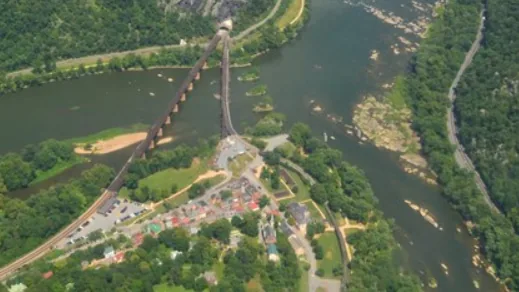
Harpers Ferry, West Virginia is one of the most historically rich and scenically dramatic small towns in the Eastern United States. Perched at the confluence of the Potomac and Shenandoah rivers, surrounded by the Blue Ridge Mountains, and steeped in Civil War history, Harpers Ferry packs an extraordinary amount of experience into a town of just a few hundred permanent residents. Whether you come for the history, the hiking, the rivers, or simply the views, this guide covers the best things to do in Harpers Ferry so you can plan a trip worth every mile of the drive.
1. Explore Harpers Ferry National Historical Park
The centerpiece of any Harpers Ferry visit is the National Historical Park, managed by the National Park Service and covering much of the lower town and surrounding mountains. The park preserves the historic lower town almost exactly as it appeared in the 19th century — cobblestone streets, original brick buildings, and interpretive exhibits that bring the full arc of Harpers Ferry’s remarkable history to life.
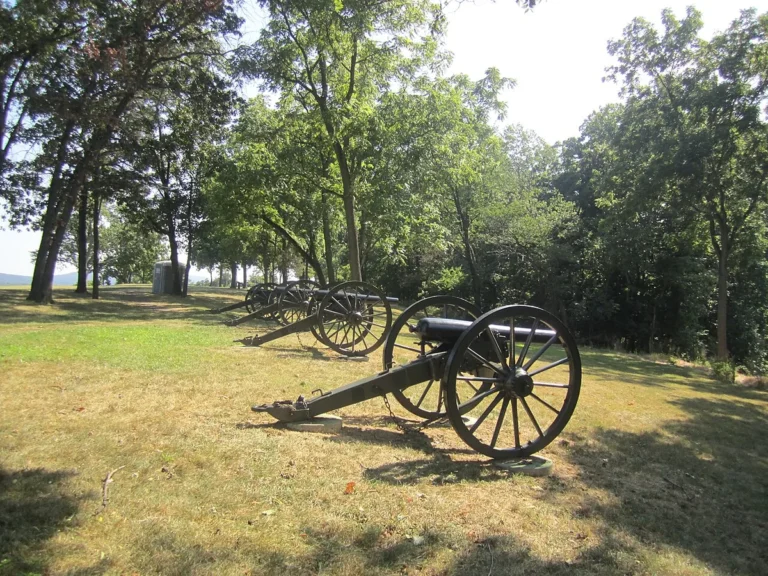
Harpers Ferry played pivotal roles in multiple defining moments of American history: it was the site of the federal armory that produced weapons for the U.S. military for decades, the location of John Brown’s 1859 raid that accelerated the nation toward Civil War, a key strategic point that changed hands eight times during the Civil War, and the home of Storer College, one of the first integrated colleges in the United States and the site of the second Niagara Movement meeting led by W.E.B. Du Bois in 1906.
The park’s visitor center is at the Cavalier Heights area above town. Park admission is $20 per vehicle or free with an America the Beautiful annual pass. Allow at least three to four hours to do the lower town and key exhibits justice.
- Must-see sites: John Brown’s Fort, the Armory ruins, the Lockwood House, the Black Voices from Harpers Ferry exhibit
- Best for: History lovers, families, first-time visitors
- Tip: Download the NPS Harpers Ferry app before your visit — it has excellent self-guided tour content
2. Hike to Jefferson Rock
One of the most iconic viewpoints in all of West Virginia, Jefferson Rock sits above the historic lower town and delivers a panoramic view of the Potomac and Shenandoah river confluence surrounded by forested ridges. Thomas Jefferson visited this spot in 1783 and declared the view worth a trip across the Atlantic — his words are carved into a nearby marker.
The hike to Jefferson Rock is short — about 0.4 miles from the lower town, with a steep stone staircase ascending past the historic St. Peter’s Catholic Church. The view at the top is one of those moments that stops conversation. Go in the morning for the best light, or at golden hour for photographs that make social media algorithms work hard.
- Distance: ~0.4 miles one way from lower town
- Difficulty: Easy-moderate (stone steps, steep in places)
- Best time: Early morning or late afternoon for light and fewer crowds
3. Walk or Hike the Appalachian Trail
The Appalachian Trail passes directly through Harpers Ferry, making the town a famous milestone for AT thru-hikers. The Appalachian Trail Conservancy (ATC) headquarters is located in town, and most northbound thru-hikers stop here to register and have their photo taken — it is the unofficial psychological midpoint of the trail, though the geographic midpoint is slightly north in Pennsylvania.
For day visitors, the AT in the Harpers Ferry area offers several accessible hiking options:
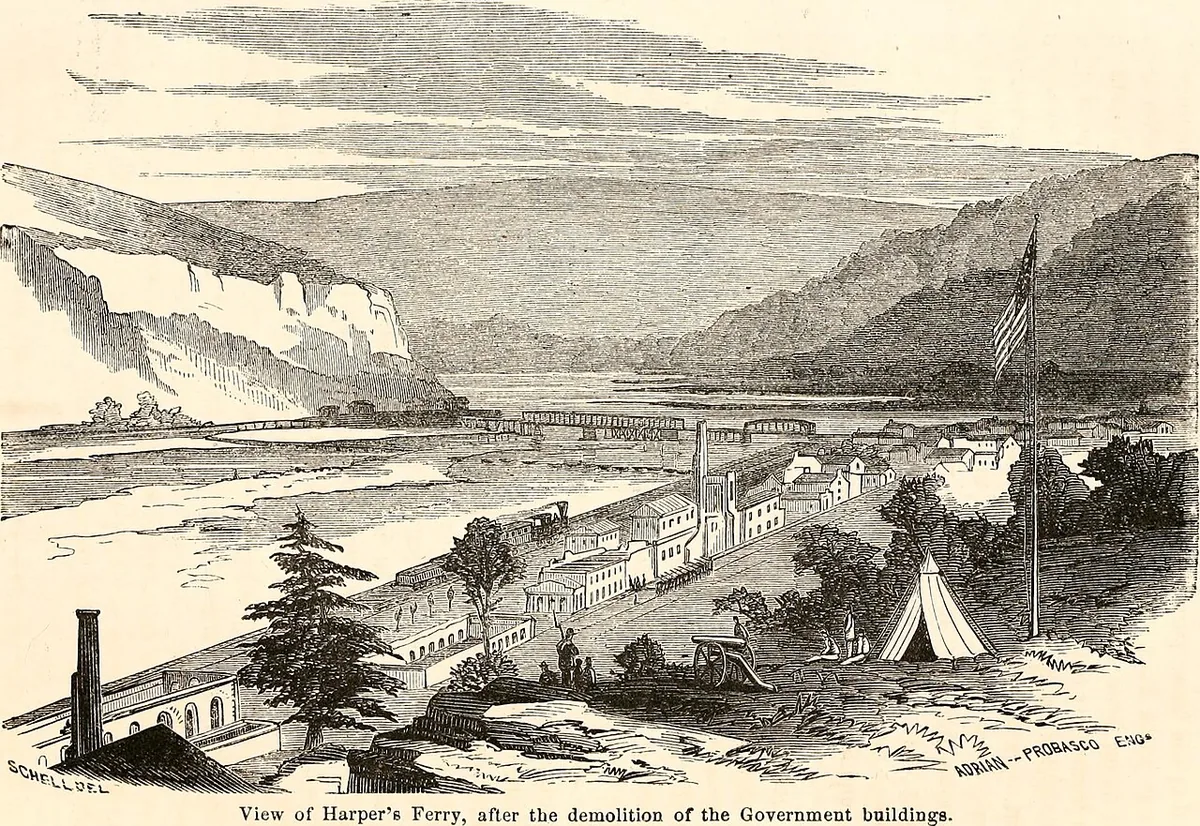
- Maryland Heights Trail (strenuous, 7.5 miles round trip): Climbs the ridge north of the Potomac for dramatic overlook views of the town and river confluence — arguably the best panoramic view in the entire Harpers Ferry area
- Loudoun Heights Trail (moderate-strenuous, 6 miles round trip): Climbs the ridge south of the Shenandoah for different perspectives on the town and rivers
- Bolivar Heights Trail (easy, 1-2 miles): Civil War earthworks on the ridge above town, accessible for most fitness levels
- AT town walk: The AT passes through lower town and across the railroad bridge — a short and iconic walk even for non-hikers
4. Kayak, Canoe, or Tube the Rivers
The Potomac and Shenandoah rivers that meet at Harpers Ferry offer outstanding water recreation. Several outfitters operate out of the Harpers Ferry area offering kayak, canoe, and tube rentals with shuttle service. The most popular float is the lower Shenandoah — clear water, gentle class I-II rapids, and views of the surrounding mountains that make every stroke worth it.
River Trail, the flat riverside path within the national park, also gives non-paddlers a chance to experience the rivers at close range. For more serious paddlers, the Shenandoah River has excellent whitewater above Harpers Ferry, and the Potomac offers everything from flat water to challenging rapids depending on section and water level.
- Best season: April through October; summer weekends are busiest
- Outfitters: Several operate within a few miles of town; book in advance for peak summer weekends
- Tip: Check water levels before paddling — both rivers can run high and fast after heavy rain
5. Visit John Brown’s Fort
John Brown’s Fort is perhaps the most historically significant single structure in Harpers Ferry. Originally the fire engine house of the federal armory, it was here that the abolitionist John Brown and his 21-man raiding party made their last stand on October 17-18, 1859, after being surrounded by a company of U.S. Marines commanded by Robert E. Lee and J.E.B. Stuart. Brown’s capture, trial, and execution electrified the nation and pushed the country closer to civil war.
The fort was moved twice before being returned to its approximate original location near the lower town. NPS rangers give regular interpretive talks at the site that provide essential context for understanding both the raid and its profound historical consequences. The fort is free to visit as part of the national park.
6. Explore the Historic Lower Town
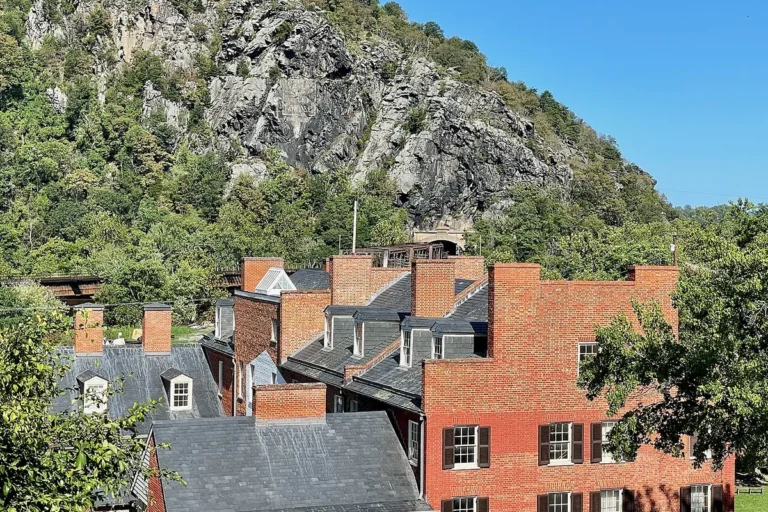
The lower town of Harpers Ferry — preserved within the national park — is one of the best-preserved 19th-century commercial districts on the East Coast. Walking the narrow streets past original brick storefronts, churches, and armory ruins gives a tangible sense of what life looked like in an industrial river town at the height of the 19th century.
Several of the historic buildings contain excellent NPS exhibits covering different aspects of Harpers Ferry’s history: the armory and industry, John Brown’s raid, the Civil War, the African American experience in the town, and the natural history of the river confluence. Allow time to step inside the buildings rather than just walking the streets — the interior exhibits contain some of the most compelling material in the park.
7. Cross the Railroad Bridge
The pedestrian/railroad bridge connecting Harpers Ferry to the Maryland side of the Potomac is both a practical crossing and an experience in its own right. Walking across the bridge puts you directly above the river with views upstream and downstream that are genuinely dramatic — especially in fall when the foliage colors the surrounding ridges.
The bridge is also the point where the Appalachian Trail crosses the Potomac from West Virginia into Maryland. On the Maryland side, the C&O Canal towpath runs for 185 miles to Washington, D.C. — making Harpers Ferry a starting point for one of the best multi-day cycling and hiking routes on the East Coast.

8. Rock Climb at Carderock or the Local Crags
The Harpers Ferry area has developed a reputation among East Coast rock climbers for its accessible and varied climbing terrain. The local crags — particularly on the Maryland Heights ridge above town — offer sport and traditional climbing routes on quality sandstone. The area is within a few hours of both Washington D.C. and Baltimore, making it a popular weekend climbing destination for the Mid-Atlantic climbing community.
Beginners and visitors interested in trying climbing for the first time can find guided instruction through local outfitters. The combination of climbing and the historic town makes for a more layered weekend experience than a typical climbing trip.
9. Attend a Living History Program
The National Park Service operates an excellent calendar of living history and interpretive programs at Harpers Ferry throughout the year. These include costumed interpretations of 19th-century life, ranger-led tours of the lower town, candlelight ghost tours of the historic district in fall and winter, and special programs around key historical anniversaries including the October commemoration of John Brown’s raid.
The living history programs are particularly good for visitors who want to go beyond reading exhibit panels. The rangers at Harpers Ferry are among the best in the National Park Service — knowledgeable, passionate, and skilled at making complex history accessible.
10. Cycle the C&O Canal Towpath
The Chesapeake and Ohio Canal National Historical Park towpath begins (or ends, depending on direction) at Harpers Ferry and runs 185 miles along the Potomac River to Georgetown in Washington D.C. The towpath is flat, gravel-surfaced, and open to cyclists, hikers, and equestrians. Even if you are not cycling the full distance, riding a section of the towpath from Harpers Ferry makes for a beautiful half-day excursion along the Potomac through forest and past historic canal locks.
Bike rentals are available near the trailhead. The first 20 miles of the towpath toward D.C. pass through particularly scenic and historically rich territory including the town of Antietam and the Monocacy River.
When Is the Best Time to Visit Harpers Ferry?
- Spring (April-May): Wildflowers along the rivers and ridges, comfortable hiking temperatures, and lower crowds than summer. The rivers run well for paddling after spring rains. An excellent time for both hiking and history.
- Summer (June-August): Peak season for river activities and family visits. Weather is warm to hot with humidity. The town and park are busiest on summer weekends — arrive early for parking and expect crowds on the lower town streets.
- Fall (September-November): The most spectacular season for scenery. Fall foliage frames the river confluence and ridgelines in brilliant color, typically peaking in mid-to-late October. October weekends are the busiest of the year — book accommodations well ahead.
- Winter (December-February): The quietest season. The park is open year-round and the lower town can feel magical with minimal crowds. The leafless trees actually open up views that are obscured in summer. Ghost tours continue into the winter months.
How to Get to Harpers Ferry
Harpers Ferry is located in Jefferson County, West Virginia, approximately 65 miles northwest of Washington D.C. and 55 miles west of Baltimore. By car, take US-340 West from the DC/Northern Virginia area — the drive takes about 75 minutes from DC depending on traffic.

Remarkably for a small mountain town, Harpers Ferry also has Amtrak service. The MARC commuter rail Penn Line stops at Harpers Ferry on weekends, connecting the town to Washington Union Station in about 90 minutes. This makes Harpers Ferry one of the few national park gateway towns in the country that is genuinely accessible without a car.
Frequently Asked Questions About Harpers Ferry
Is Harpers Ferry worth visiting?
Harpers Ferry is absolutely worth visiting and consistently ranks among the most underrated destinations on the East Coast. The combination of spectacular natural scenery at the river confluence, exceptionally well-preserved Civil War history, excellent hiking, and river recreation makes it compelling for almost every type of traveler.
How long do you need in Harpers Ferry?
A full day gives you time for the lower town, Jefferson Rock, and one hike or river activity. Two days lets you explore more thoroughly — the Maryland Heights hike, a river float, and a leisurely exploration of all the park exhibits. Many visitors who come for a day trip return for a longer stay.
Is Harpers Ferry good for families?
Excellent for families. The NPS programs are well-designed for children and teenagers, the Jefferson Rock hike is manageable for most kids, and river tubing is a universally popular summer activity for all ages. The living history programs bring history to life in ways that engage younger visitors more effectively than static exhibits.
What should I not miss in Harpers Ferry?
Do not miss Jefferson Rock (the view alone justifies the visit), John Brown’s Fort and the interpretive ranger talk, the Black Voices from Harpers Ferry exhibit in the lower town, and at least a short walk across the railroad bridge into Maryland. If you only have time for one hike, Maryland Heights delivers the most dramatic view.
Plan Your Harpers Ferry Trip
Harpers Ferry rewards every type of traveler and every level of engagement — from the visitor who spends a morning walking the lower town to the backpacker who strings together multiple nights on the Appalachian Trail. The history is profound, the scenery is stunning, and the town itself has a character that has survived two centuries of dramatic change.
Book your accommodations early for fall weekends. Download the NPS app. Bring comfortable walking shoes and layers for the ridge hikes. And come with some knowledge of the history — Harpers Ferry gives back in direct proportion to what you bring to it.

One Comment