
Cambridge Colleges: Which Ones Can You Visit? (2026 Guide)
Cambridge is home to 31 colleges, each with its own architecture, history, and atmosphere. But not all are open to the public, and hours change seasonally. This guide covers every Cambridge college worth visiting — what you’ll find inside, how to get in, what it costs, and the opening times you need to know. If you’re planning a full day exploring, combine this with our Cambridge itinerary for a structured route.
Which Cambridge Colleges Can You Visit?
Most Cambridge colleges allow visitors during set hours, though some charge an entry fee and nearly all restrict access during exam season (typically late April to mid-June). The colleges listed below are the most visitor-friendly and architecturally significant.
King’s College
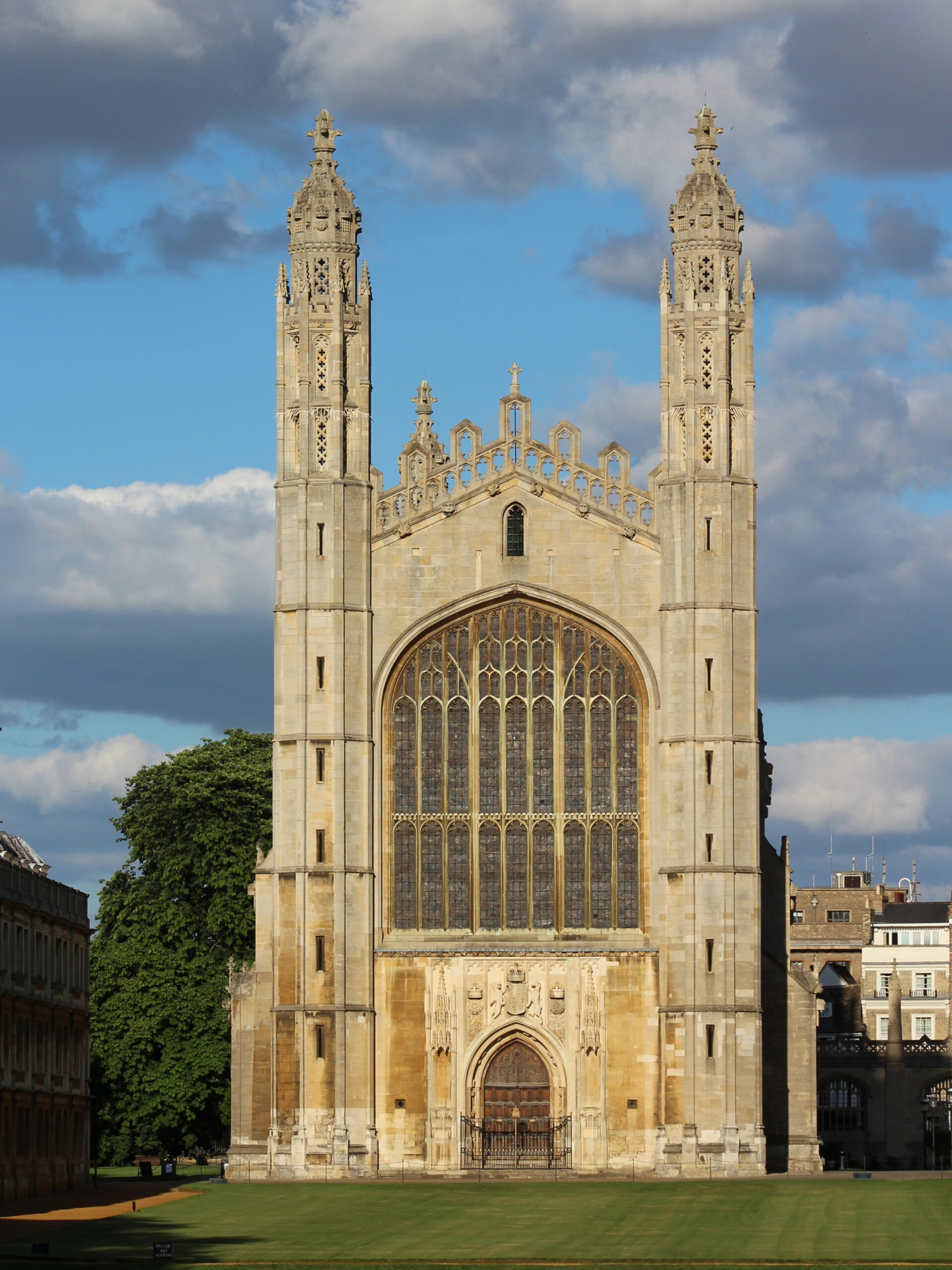
King’s College is the most visited college in Cambridge, and it’s not hard to see why. The Gothic chapel — begun by Henry VI in 1441 and completed under Henry VIII — is one of the finest medieval buildings in England. The famous fan-vaulted ceiling, the Rubens altarpiece, and the stained glass windows are highlights even for visitors with no particular interest in religious architecture.
Entry to King’s College costs £14 for adults (£12 concessions, free for under-18s as of 2026). The college grounds include the Back Lawn stretching down to the River Cam, and the view from the Backs of the chapel reflecting in the water is one of the defining Cambridge images. The College Choir performs daily services during term — check the King’s website for times, as these are free to attend.
- Opening hours: typically 9:30am–4:30pm (term time), 9:30am–5pm (holidays)
- Entry fee: £14 adults (2026)
- Chapel services: free entry, check website for times
- Allow 45–60 minutes minimum
Trinity College
Trinity is Cambridge’s largest and wealthiest college, founded by Henry VIII in 1546. The Great Court — the largest courtyard of any Oxford or Cambridge college — makes an immediate impression. The famous Great Court Run, in which students attempt to run the 380-metre perimeter in the time it takes the clock to strike noon, has become part of Cambridge folklore (and featured in Chariots of Fire).
The Wren Library at Trinity is the college’s greatest architectural treasure — a beautiful late 17th-century building designed by Christopher Wren containing original manuscripts by Isaac Newton, A.A. Milne’s handwritten Winnie-the-Pooh drafts, and first editions of Milton’s Paradise Lost. Entry to the library is free but limited to certain hours.
- Opening hours: Great Court open daily 10am–4:30pm (not during exams)
- Wren Library: Monday–Friday 12–2pm, Saturday (term time) 10:30am–12:30pm
- Entry fee: varies by season — check website
- Allow 60–90 minutes
St John’s College
St John’s College offers some of Cambridge’s most picturesque architecture, including the Bridge of Sighs — a covered bridge over the River Cam inspired by (though very different from) its Venetian namesake. The college stretches across both banks of the Cam and includes six separate courts. The New Court, built in Gothic Revival style in 1831, is sometimes called The Wedding Cake for its ornate pinnacles.
Entry to St John’s costs £10 for adults. The college includes a café in the Cripps Building accessible to visitors. The Bridge of Sighs is best viewed from the Kitchen Bridge — free to access — though you need an entry ticket to walk through it.
Queens’ College
Queens’ College is famous for the Mathematical Bridge — a timber arch bridge connecting the two halves of the college over the Cam. The popular legend that Newton designed it and that it can’t be reassembled with screws is false (it was built in 1749 by James Essex), but the bridge remains one of Cambridge’s most photographed features. The college’s Cloister Court and half-timbered Old Court are among the oldest and most atmospheric spaces in Cambridge.

Christ’s College
Christ’s College is best known as the college of Charles Darwin, who studied here from 1828 to 1831. The Fellows’ Garden is open to visitors on certain days and contains the mulberry tree under which Darwin is said to have sat and thought. The college’s First Court is one of the most elegant in Cambridge, and the entrance gateway — decorated with heraldic creatures — is a notable example of Tudor architecture.
Emmanuel College
Emmanuel College has a beautiful walled garden and a duck pond — genuinely unusual for a Cambridge college. The college’s chapel, designed by Christopher Wren, is an elegant Baroque building. Emmanuel is particularly significant in American history: 35 of the first 130 graduates of Harvard were Emmanuel alumni, and John Harvard himself studied here.
Clare College
Clare College is the second-oldest Cambridge college (1326) and has arguably the most beautiful garden in Cambridge — Clare Garden runs along the Backs beside the River Cam and is open on most days. The Clare Bridge, completed in 1640, is the oldest remaining bridge in Cambridge and has a famous missing segment in one of its stone balls (deliberately left off, according to various disputed accounts).
Corpus Christi College
Corpus Christi is the only Cambridge college founded entirely by local townspeople (1352). The Old Court is the oldest intact court in Cambridge and has barely changed in 650 years. The Parker Library within the college houses one of the most significant manuscript collections in the world — including the oldest existing manuscript of the Anglo-Saxon Chronicle.
Cambridge College Opening Times: What to Know
Opening times across all Cambridge colleges vary significantly by season and exam periods. The general pattern is:
| Period | Status | Notes |
|---|---|---|
| October–March (term) | Open with reduced hours | Most colleges open 10am–4pm |
| April–June (exams) | Restricted or closed | Many colleges close to tourists entirely |
| July–September (summer) | Widest access | Longer hours, most colleges open |
| December–January (vacation) | Variable | Some close for events; King’s open for choir |
Always check the individual college website before visiting, particularly if you’re planning around specific buildings or rooms. The Wren Library at Trinity and the Parker Library at Corpus Christi have particularly specific access windows.
Cambridge Punting and Colleges: Viewing from the Water
One of the best ways to appreciate the Cambridge colleges is from the River Cam. The Backs — the stretch of river behind King’s, Clare, Trinity, St John’s, and Queens’ colleges — offers views of college gardens, bridges, and chapel towers that are impossible to access on foot. A punting trip along the Backs takes 45–90 minutes and passes all the major colleges. Read our full Cambridge punting guide for everything you need to know about booking and what to expect.

Tips for Visiting Cambridge University Colleges
- Check exam closures: Late April to mid-June sees widespread college closures. Plan accordingly.
- Buy a multi-college ticket: Some tours offer combined entry to multiple colleges at a discount.
- Attend a chapel service: Free entry and an unforgettable experience — King’s Choir performs Evensong most weekdays in term.
- Respect the rules: Photography may be restricted in certain areas; follow college signs.
- Visit early or late: Colleges are busiest 11am–3pm. Arriving at opening time or after 3:30pm means fewer crowds.
- Join a guided tour: University-approved guides offer walking tours that include college access and context that self-guided visiting can’t match.
Visiting Cambridge University: Practical Information
Cambridge city centre is compact enough to walk between all the major colleges in a single day. King’s, Clare, Trinity, St John’s, and Queens’ are clustered along the Backs within a 15-minute walk of each other. Christ’s, Emmanuel, and Corpus Christi are a short walk into the city centre.
The standard recommended route for a first-time visitor starts at King’s College, walks along King’s Parade to Trinity Street, visits Trinity and St John’s, crosses the Cam at Magdalene Bridge, and returns along the Backs path. Our best things to do in Cambridge guide expands on this route and includes timings.
Frequently Asked Questions: Cambridge Colleges
Which Cambridge colleges are free to enter?
Clare College gardens, Emmanuel duck pond, and some smaller colleges are free. King’s, Trinity, and St John’s charge entry fees. College chapel services are always free.
Can you visit Cambridge University any time?
Most colleges are open year-round outside exam season, but hours are restricted. Late April to mid-June is when access is most limited. July to September offers the widest and most flexible access.
How many Cambridge colleges are there?
Cambridge has 31 colleges in total, though not all are open to the public. The most visitor-friendly are King’s, Trinity, St John’s, Queens’, Clare, Christ’s, Emmanuel, Corpus Christi, and Jesus.
How long do you need to visit Cambridge colleges?
Allow half a day to visit two or three colleges thoroughly. A full day gives you time for four or five colleges plus the Backs and a punting trip. Two days allows a genuinely comprehensive exploration.
Combine your college visit with a punt along the Backs for the most complete Cambridge experience, and check our where to stay in Cambridge guide if you’re staying overnight.


