

Cambridge Itinerary: The Perfect 2-Day Weekend Guide (2026)
A Cambridge itinerary is a day-by-day plan for making the most of one of England’s most extraordinary university cities. Cambridge is home to the University of Cambridge — founded in 1209 and consistently ranked among the world’s top three universities — and its 31 colleges, medieval chapels, and riverside Backs make it one of the most beautiful cities in England. Two days in Cambridge gives you enough time to tour the colleges, punt on the River Cam, visit the Fitzwilliam Museum, and explore the city’s excellent food and pub scene without feeling rushed. This guide shows you exactly how.
For practical travel information, read our Cambridge Travel Tips. For accommodation, see Where to Stay in Cambridge. To plan your punting session in detail, read the Cambridge Punting Guide.
Cambridge at a Glance
| Detail | Info |
|---|---|
| Location | Cambridgeshire, East England |
| Distance from London | 60 miles (50 min by train) |
| Best time to visit | May–June and September–October |
| Recommended stay | 2 days |
| Top attraction | King’s College Chapel / The Backs |
| University founded | 1209 AD |
| Notable alumni | Isaac Newton, Charles Darwin, Stephen Hawking |
Day 1: Colleges, the Backs, and the River
Morning: King’s College and King’s College Chapel (9:00 AM)
Start your Cambridge itinerary at King’s College — the single most visited and recognisable of Cambridge’s 31 colleges. King’s College Chapel, completed in 1547, is one of the finest examples of late-Gothic architecture in the world. The fan-vaulted ceiling stretching 289 feet from end to end is the largest fan vault ever built. The Rubens painting The Adoration of the Magi (1634) hangs above the altar. Arrive early — by 10:00 AM the chapel fills with visitors.
- Adult entry: £12 (includes Chapel and grounds) | Under 16: free with a paying adult
- Opening: Monday–Friday 9:30 AM–4:30 PM | Saturday 9:30 AM–3:15 PM | Sunday 1:15 PM–2:30 PM
- Allow: 1–1.5 hours
Late Morning: The Backs and Trinity College (10:30 AM)
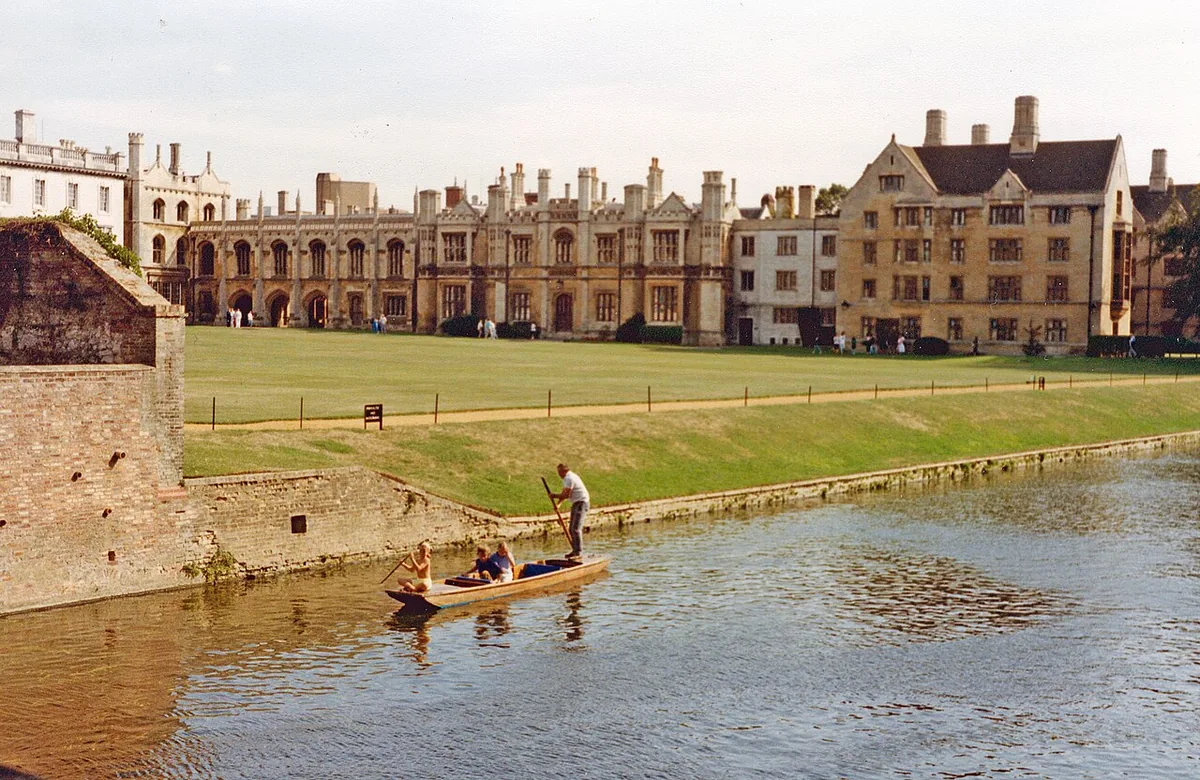
The Backs refers to the stretch of college grounds backing onto the River Cam between Queen’s Road and the river. Walking along the Backs gives you the quintessential Cambridge view — medieval and Tudor college buildings reflected in the still water, with punts gliding along the surface. Trinity College, founded by Henry VIII in 1546, is the wealthiest and largest of Cambridge’s colleges and has produced more Nobel Prize winners (34) than most countries. The Great Court — the largest enclosed courtyard in the UK — is free to enter.
Afternoon: Punting on the River Cam (1:00 PM)
After lunch, head to one of the punting launch points along the Backs for an afternoon on the river. The classic Cambridge punting route passes under the Bridge of Sighs at St John’s College, past the Wren Library at Trinity, alongside King’s College Chapel, and under Mathematical Bridge at Queen’s College. Allow 1–1.5 hours for the full route. See our Cambridge Punting Guide for prices, launch points, and everything you need to know.
Late Afternoon: Market Square and the Fitzwilliam Museum (3:30 PM)
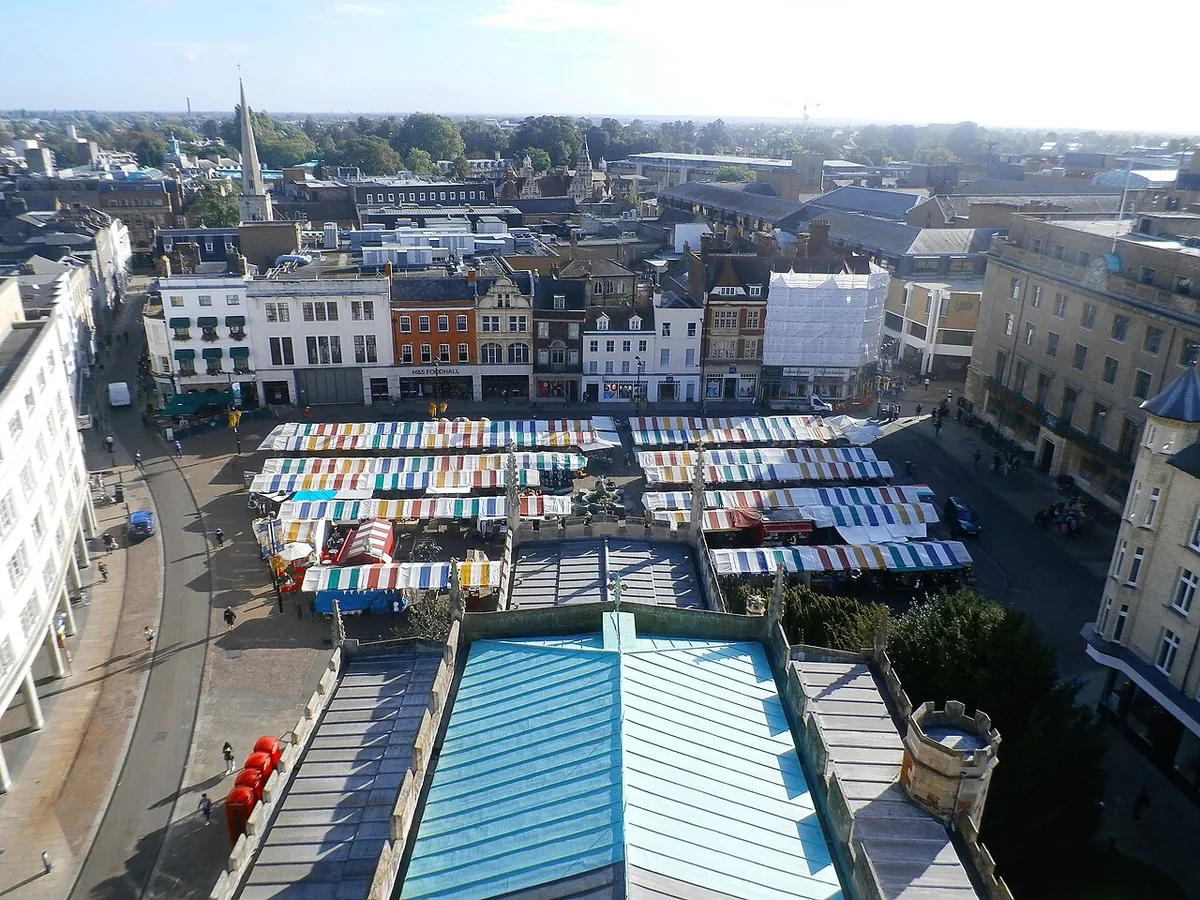
Cambridge Market Square has operated continuously since the Middle Ages. The market runs Monday to Saturday and sells fresh produce, street food, and artisan goods. Walk south along Trumpington Street to the Fitzwilliam Museum — one of the finest art and antiquity museums in England, with free entry. The collection includes Egyptian mummies, Greek and Roman antiquities, Impressionist paintings, and an exceptional collection of armour and illuminated manuscripts. Allow 1–1.5 hours.
Evening: Cambridge Pub Crawl (7:00 PM)
Cambridge has several historically significant pubs within easy walking distance of the centre. The Eagle on Bene’t Street is the most famous — Francis Crick and James Watson announced their discovery of DNA’s double helix structure here in 1953. The ceiling of the RAF bar inside carries the signatures of WWII airmen scorched on with candle flames and lighters. The Anchor on Silver Street and the Mill on Mill Lane both have riverside seating. For dinner, The Pint Shop on Peas Hill combines a good beer selection with excellent food.
Day 2: Museums, Markets, and the University District
Morning: St John’s College and Bridge of Sighs (9:30 AM)
St John’s College is Cambridge’s second largest college and home to the Bridge of Sighs — a Victorian covered bridge modelled on the famous Venetian bridge, completed in 1831. It is one of Cambridge’s most photographed landmarks, particularly from the Cam below. The college grounds include a medieval chapel, a Tudor gatehouse, and extensive riverside gardens. Adult entry costs £12.
Late Morning: Cambridge University Botanic Garden (11:00 AM)
The Cambridge University Botanic Garden covers 40 acres of landscaped grounds south of the city centre, containing over 8,000 plant species. Entry costs £7 for adults (free for University of Cambridge card holders). The garden is at its best in spring (March–May) for blossom and bulb displays, and in autumn (September–October) for foliage colour. The glasshouses contain tropical, Mediterranean, and arid plant collections.
Afternoon: Polar Museum and Whipple Museum (1:30 PM)
Two of Cambridge’s smaller but rewarding museums sit within easy walking distance of the centre. The Scott Polar Research Institute Museum on Lensfield Road covers Antarctic and Arctic exploration, including Robert Falcon Scott’s ill-fated 1912 South Pole expedition, with original expedition equipment and diaries on display. Free entry. The Whipple Museum of the History of Science on Free School Lane holds a remarkable collection of historic scientific instruments — astrolabes, microscopes, orreries — from the 11th century onward. Also free.
Late Afternoon: Grantchester Meadows Walk (3:30 PM)
One of Cambridge’s great pleasures is the 2.5-mile walk or punt along the Cam to Grantchester — the village where Rupert Brooke wrote his famous poem The Old Vicarage, Grantchester (1912). The Orchard Tea Garden in Grantchester has served cream teas since 1897 and is the traditional endpoint of the Grantchester Meadows walk. Return by the same riverside path or take the village bus back to Cambridge. Allow 2–3 hours for the walk and tea.
Evening: Farewell Dinner
For a memorable final dinner, Midsummer House — a Michelin two-star restaurant on Midsummer Common — is Cambridge’s best. Book months ahead for weekends. For a more accessible special meal, Cotto on East Road or Restaurant 22 on Chesterton Road are both well regarded. For something more casual, the restaurants around Regent Street and Hills Road offer good variety at moderate prices.
Cambridge Itinerary Tips
- Buy a combined colleges ticket — some attractions sell joint tickets covering multiple colleges at a discount
- Check college opening times online — some colleges close partially during exam season (May–June) and for private events
- Book punting in advance on summer weekends — see the Cambridge Punting Guide for details
- Walk or cycle everywhere — the historic centre is compact and cycling is Cambridge’s defining mode of transport
- Visit King’s College Chapel in the morning — afternoon light from the south-facing stained glass windows is exceptional, but morning entry avoids the worst crowds
Frequently Asked Questions
How many days do you need in Cambridge?
Two days is the ideal length for a Cambridge visit. One day covers King’s College, the Backs, punting, and a museum. A second day lets you explore St John’s, the Fitzwilliam Museum, and the Grantchester Meadows walk without rushing. Three days allows for day trips to Ely Cathedral or Lavenham.

Is Cambridge better than Oxford to visit?
Cambridge and Oxford offer similar historic university experiences with different characters. Cambridge has the advantage of the River Cam running directly through the college grounds — making the Backs one of England’s finest views — and is generally considered slightly less crowded than Oxford in peak season. Oxford has more colleges open to visitors and a broader range of free museums. Both are worth visiting; Cambridge is often described as the more intimate and photogenic of the two.
What is the best time to visit Cambridge?
May and early June are beautiful but coincide with exam season — some areas may be restricted. Late September and October offer excellent weather, fewer crowds, and full college access. December is atmospheric with the King’s College Carol Service (though tickets are extremely limited). Avoid mid-July to mid-August for the heaviest tourist crowds.
For all the top sights and activities, read Best Things to Do in Cambridge. For punting logistics, see the Cambridge Punting Guide.




9 Comments