3 Days in Ubud: The Perfect Itinerary for First-Time Visitors
Three days in Ubud is enough to get under the skin of one of Asia’s most layered destinations — if you plan it right. This itinerary moves through Ubud’s cultural core, its natural highlights, and its quieter outskirts, balancing early-morning starts (the secret to beating the crowds) with the slower afternoon rhythm that Ubud rewards. It works for first-time visitors and returns something different each time.
All timings are flexible. Treat this as a framework, not a schedule. The best experiences in Ubud tend to happen when you slow down and let the place come to you.
Day 1: Cultural Heart of Ubud
Morning: Market, Cooking Class, and the Town Centre
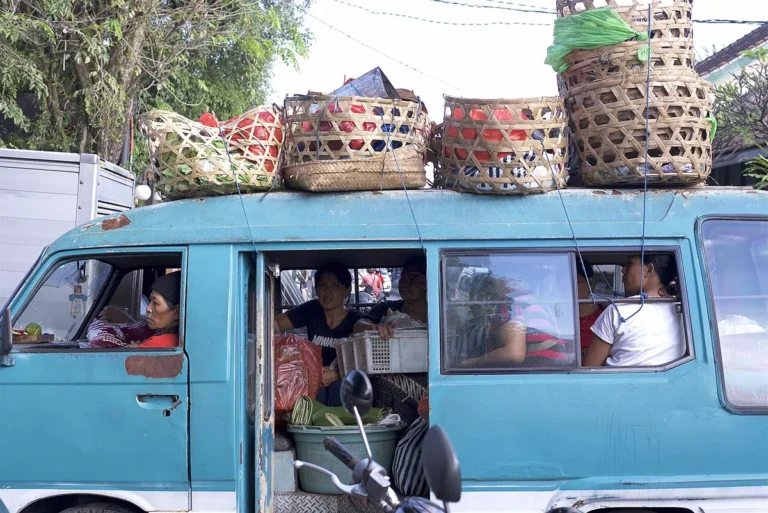
Start at Ubud Morning Market (Pasar Ubud) on Jalan Raya Ubud at 7 AM, before the tourist stalls open. The back section of the market is a working local produce market until about 8 AM — vendors selling spices, fruit, flowers for temple offerings, and freshly made Balinese snacks. It is one of the most atmospheric starts to any morning in Ubud.
If you have booked a cooking class (strongly recommended for Day 1), most begin at 8–9 AM with a market tour before heading to the kitchen. Classes run 4–5 hours and typically end with a full Balinese lunch — ideal positioning for the rest of the day.
Afternoon: Ubud Palace and Art Museums
After lunch, walk to Puri Saren Agung (Ubud Palace) — the seat of Ubud’s royal family, located at the main crossroads of town. The ornate gates and temple towers are the visual symbol of Ubud, and the inner courtyard is open to visitors during the day at no charge.
Continue east along Jalan Raya Ubud to the Blanco Renaissance Museum — an extraordinary monument to the ego and talent of Spanish artist Antonio Blanco, who spent his life painting Balinese women in a hilltop studio above the Campuhan River. Entry includes access to the house, studio, and garden. The drama of the setting is worth the visit regardless of your taste in art.
Alternatively, head to the Agung Rai Museum of Art (ARMA) for a deeper survey of Balinese artistic tradition, including rare works from the classical Ubud and Batuan schools.
Evening: Traditional Dance Performance
End Day 1 with a Kecak or Legong dance performance at Ubud Palace. Performances run most evenings at 7:30 PM and last about 90 minutes. Arrive 15–20 minutes early for a good seat — the front and side angles give the best view of the costumes and the torch-lit backdrop of the palace gates. Tickets: IDR 100,000–150,000 at the door.
Eat dinner afterwards at one of the restaurants on Jalan Dewi Sita or Jalan Hanoman — both have a range of local and international options and are a short walk from the palace.
Day 2: Rice Terraces, Temples, and Waterfalls
Early Morning: Tegallalang Rice Terraces
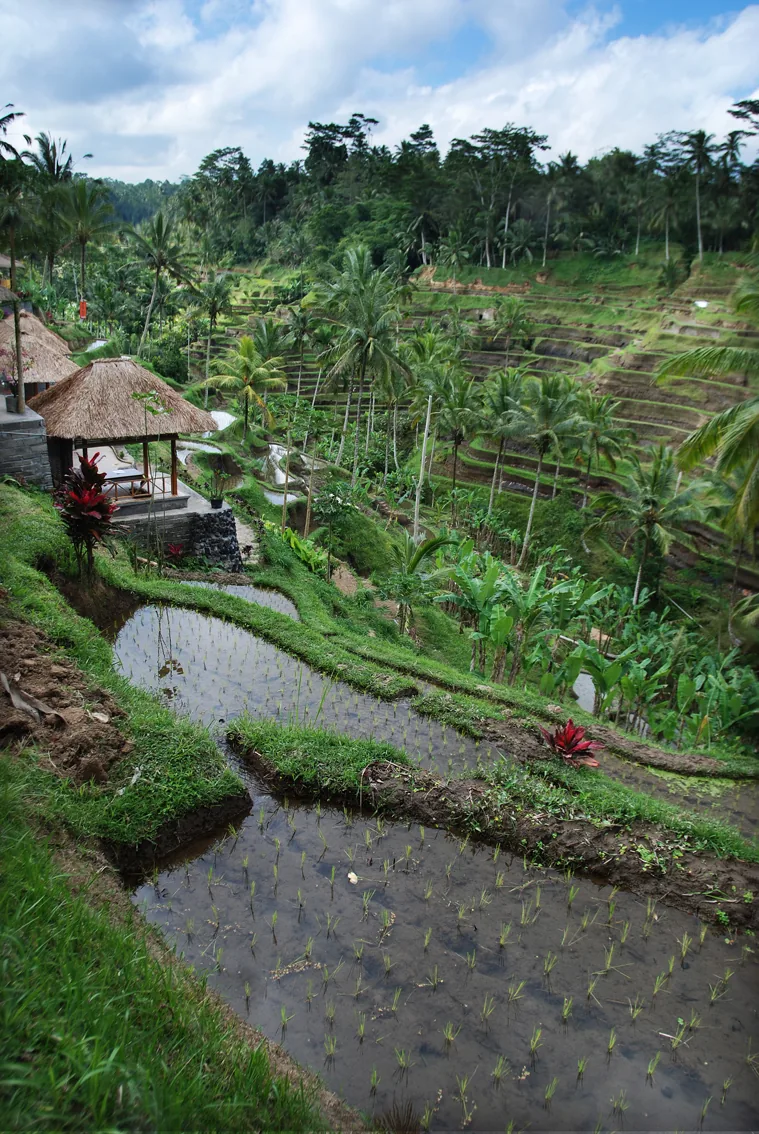
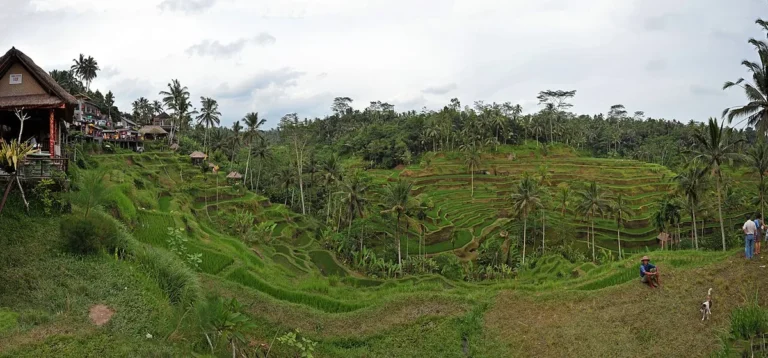
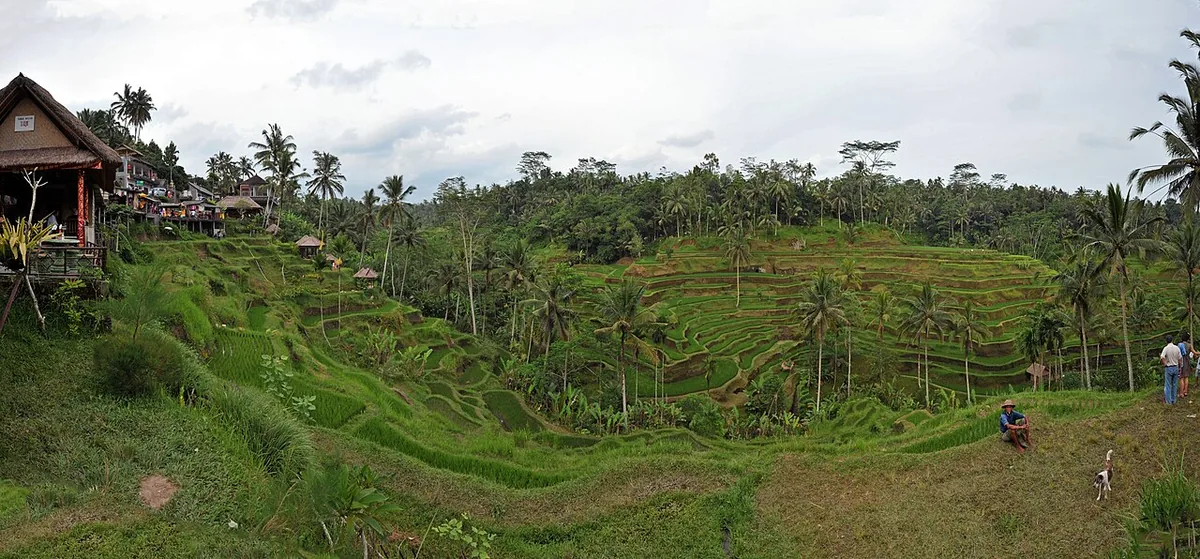
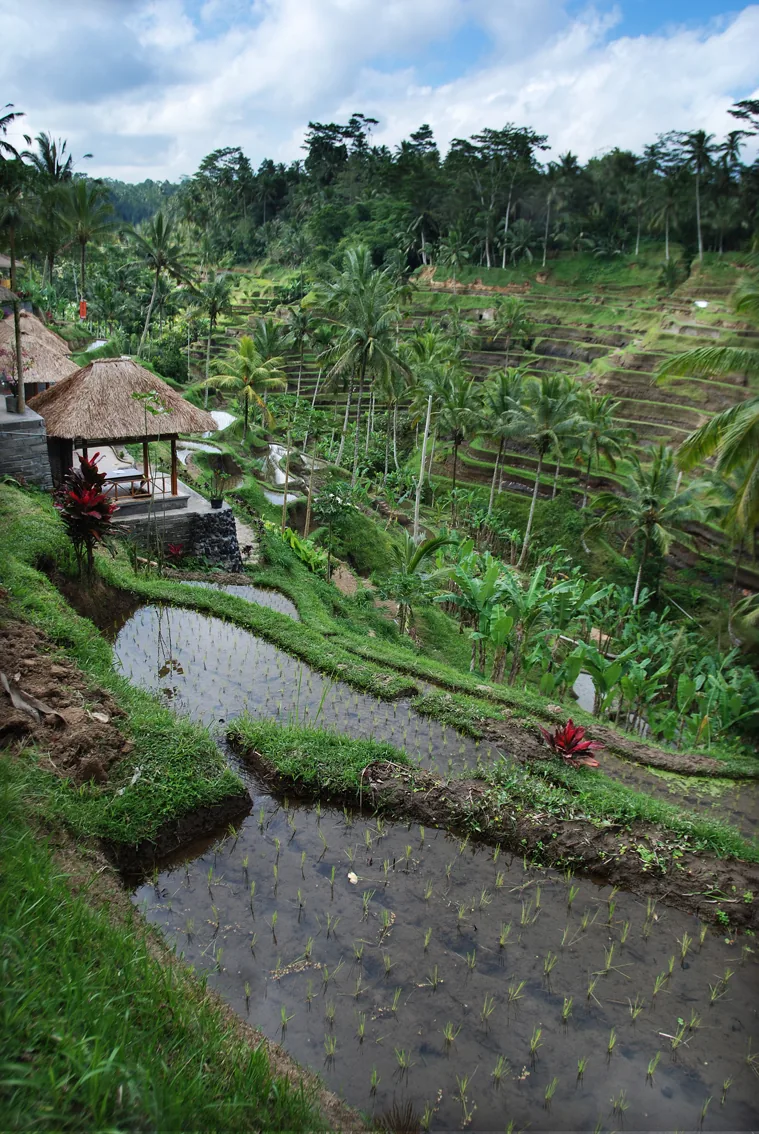
Leave your hotel by 7 AM and drive north to the Tegallalang Rice Terraces (8 km from central Ubud). Arriving at this hour puts you ahead of the tour buses and in the best light of the day. Walk the terraces rather than viewing from the road — paths wind between the paddies and bring you close to the farmers beginning their morning work.
Have coffee and breakfast at one of the small warungs above the terraces with a view down the valley. Factor in 1.5–2 hours total here before heading north.
Mid-Morning: Tirta Empul and Gunung Kawi
Continue 12 km north to Tirta Empul Temple in Tampaksiring. Arrive by 9–9:30 AM before the tour groups. If you wish to participate in the purification ritual, bring a sarong and enter the pools respectfully — the experience is genuinely moving. Budget 45–60 minutes.
Three kilometres further, the Gunung Kawi Temple Complex is one of Bali’s most dramatic archaeological sites: ten 7-metre shrine towers carved into a cliff face above the Pakerisan River. The descent and ascent (300+ steps each way) takes energy, but the valley at the bottom feels remote from the modern world. Budget 45–60 minutes including the stair climb.
Afternoon: Kanto Lampo Waterfall and the Monkey Forest
Return south and stop at Kanto Lampo Waterfall, a natural lava-rock waterfall 15 minutes east of Ubud. Less crowded than the famous Tegenungan Waterfall, it is one of Ubud’s best-kept natural secrets. Wear sandals you can get wet.
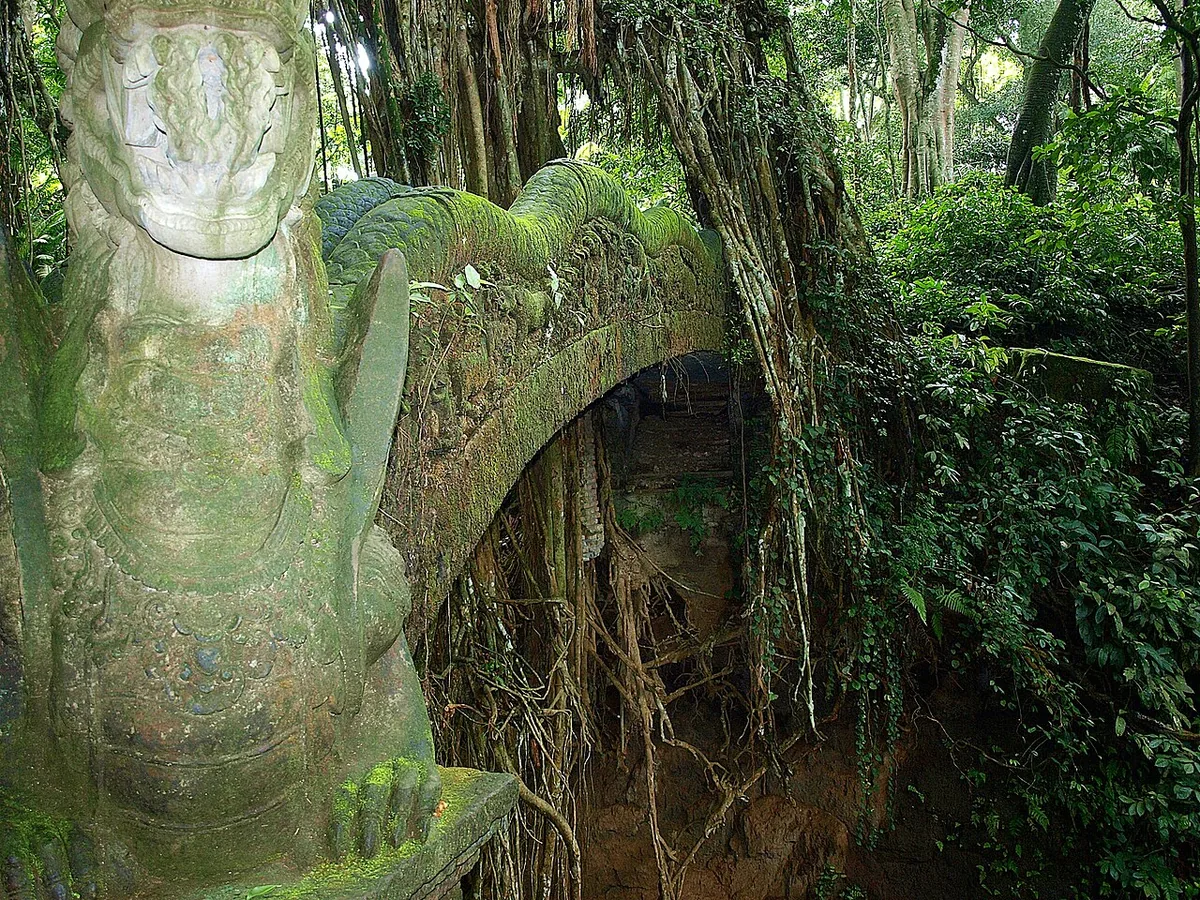
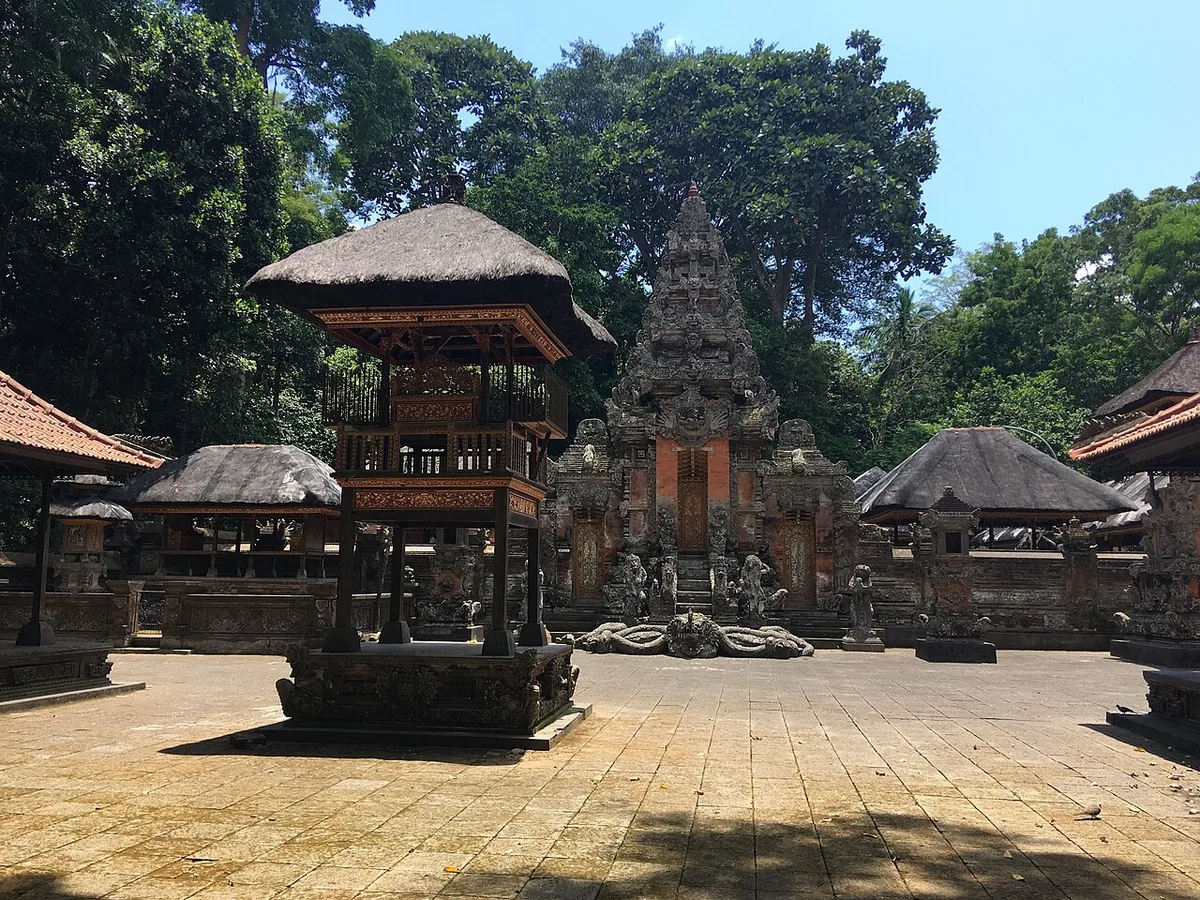
Back in central Ubud by mid-afternoon, visit the Sacred Monkey Forest Sanctuary at the southern end of Monkey Forest Road. The forest is home to over 1,000 long-tailed macaques living freely around three ancient Hindu temples. Go between 3–5 PM when the light is better and the crowds thinner. Entry: IDR 80,000.
Evening: Dinner at a Rice Field Restaurant
Walk the narrow path north from central Ubud to Sari Organik or a similar rice field restaurant for dinner. The 15-minute walk through working paddies is part of the experience — bring a torch for the walk back after dark. Order ahead of the sunset to have your food arrive as the light turns gold on the terraces.
Day 3: Ridge Walk, Village Life, and Spa
Sunrise: Campuhan Ridge Walk
Set an alarm for 5:30 AM on Day 3. Walk or scooter to the start of the Campuhan Ridge Walk on Jalan Raya Campuhan and begin the 2 km trail as dawn breaks over the jungle valleys. At this hour, the ridge belongs to you and the birds. The light is extraordinary and the silence is complete.
Take the path through to Penestanan Village via the extended rice field route (adds 3–4 km). Stop for breakfast at a small warung in Penestanan and watch the village come to life before the heat of the day builds.
Morning: Neka Art Museum
After breakfast, walk back towards central Ubud via the Neka Art Museum on Jalan Raya Campuhan. This is arguably the best art museum in Bali — multiple pavilions covering traditional Balinese, classical, and contemporary Indonesian art, including a dedicated room of watercolours by Arie Smit. Entry: IDR 100,000. Budget 1.5–2 hours.
Afternoon: Balinese Massage and Slow Afternoon
Day 3 afternoon belongs to a Balinese massage. Book a one- or two-hour traditional massage at a recommended Ubud spa — prices start at IDR 100,000 ($6) for an hour at good quality establishments. If budget allows, add a flower bath or Boreh body scrub for a full 2.5–3 hour spa experience.
Use the rest of the afternoon to wander Ubud’s side streets, browse the art market, and pick up any last shopping. The best batik, woodcarvings, and silver jewellery are found in the small workshops behind the main market rather than the stalls facing the street — prices are lower and the quality is often higher.
Final Evening: Sunset Dinner
For a final Ubud dinner, take a table at a restaurant overlooking a rice field or river valley and stay for the sunset. Order a fresh coconut or local Bintang beer, watch the sky change colour over the jungle canopy, and let the week process. Ubud has a way of leaving people with a strong desire to come back — which is probably the best sign of a trip well spent.
3-Day Ubud Itinerary: Quick Reference
| Day | Morning | Afternoon | Evening |
|---|---|---|---|
| Day 1 | Morning market + cooking class | Ubud Palace + art museum | Kecak dance performance |
| Day 2 | Tegallalang rice terraces (7 AM) | Tirta Empul + Gunung Kawi + waterfall + Monkey Forest | Rice field dinner |
| Day 3 | Campuhan Ridge Walk at sunrise + Penestanan village | Neka Museum + Balinese massage | Sunset dinner |
Practical Tips for This Itinerary
- Rent a scooter for Day 2 — The northern temples and Tegallalang require transport. A scooter (IDR 70,000–100,000/day) gives you the flexibility to stop wherever looks interesting.
- Book the cooking class before you arrive — Quality Ubud cooking classes fill up, especially in high season. Book 3–5 days in advance.
- Carry small bills — Temple entry, warungs, and market stalls are all cash-only. Stock up at a central Ubud ATM before heading out each day.
- Allow for delays — Ubud’s roads, especially the Tegallalang route, can be slow in mid-morning. Build in buffer time between Day 2 stops.
- Extend to 5 days if possible — This itinerary covers the highlights, but Ubud rewards a slower pace. Day 4 could explore Penglipuran Village or Mount Batur; Day 5 could be dedicated entirely to the Ayung River valley and a whitewater rafting trip.
Frequently Asked Questions: Ubud Itinerary
Is 3 days enough for Ubud?
Three days covers Ubud’s main cultural and natural highlights — the rice terraces, temples, morning market, Monkey Forest, and a dance performance. It is a good foundation for a first visit. Five to seven days allows for day trips to Mount Batur, Besakih Temple, or the Sidemen Valley, and a more relaxed pace that lets Ubud’s character sink in properly.
Do I need a scooter for this Ubud itinerary?
Day 1 can be done entirely on foot in central Ubud. Day 2 requires transport — either a rented scooter or a private driver for the day (IDR 400,000–550,000 for 8 hours). Day 3 starts with a walk and is largely pedestrian. If you are not comfortable on a scooter, one day of private driver hire covers the essential temples and rice terraces.
What is the best first day activity in Ubud?
A Balinese cooking class is the best way to begin a stay in Ubud. It starts with the morning market (giving you immediate orientation to the town and its food culture), teaches you the fundamentals of Balinese cuisine, and ends with a full meal. It also gives you a local guide’s perspective on the town before you explore independently.