Ubud Travel Guide: Everything You Need to Know Before You Go
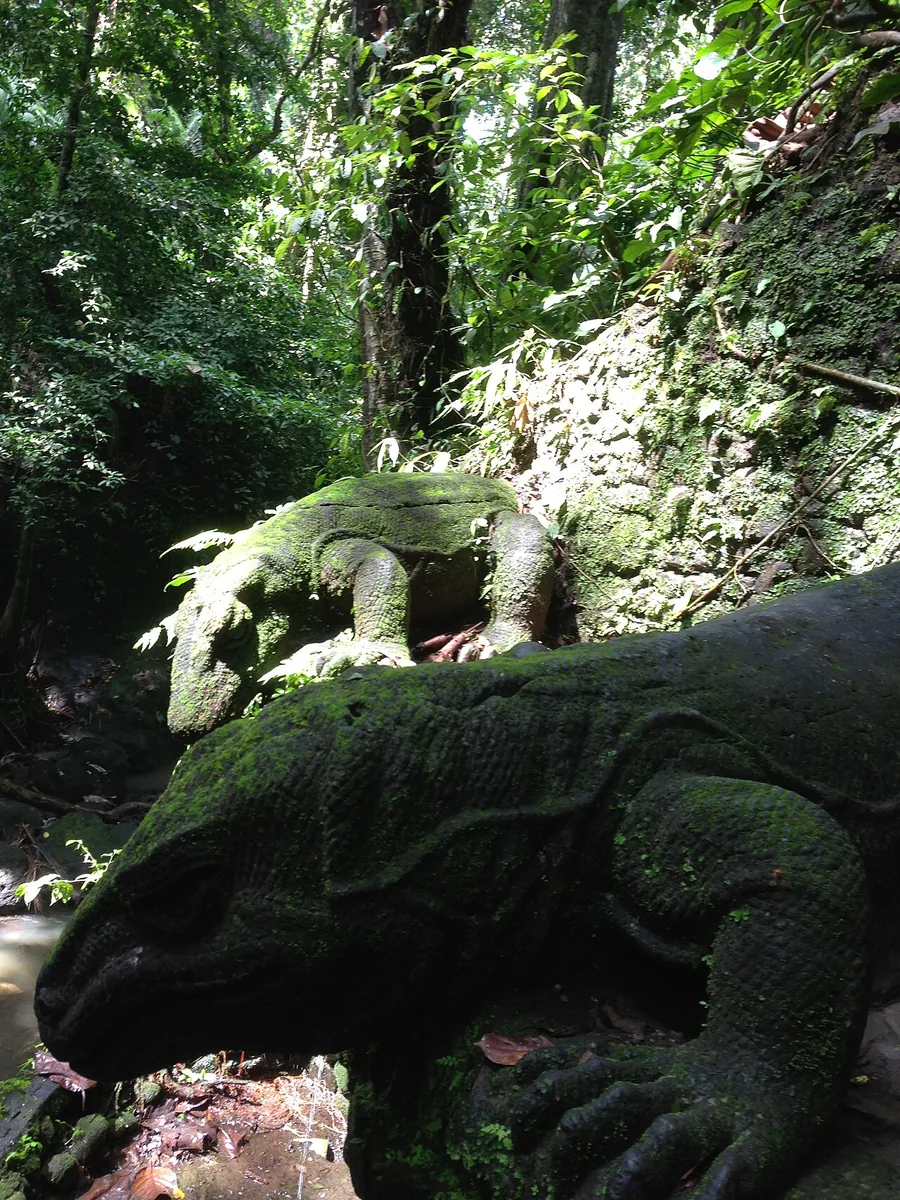
Ubud is Bali’s cultural heartland — a highland town of roughly 30,000 people set among rice terraces, river gorges, and ancient temples in the centre of the island. At 600 metres above sea level, it is cooler and greener than the beach resorts to the south, and it attracts a different kind of traveller: one looking for art, ceremony, wellness, and genuine encounters with Balinese life.
This Ubud travel guide covers everything you need to plan your visit — from the best time to go and how to get there, to where to base yourself, what to budget, and the local knowledge that makes the difference between a good trip and an exceptional one.
Ubud at a Glance
| Detail | Info |
|---|---|
| Location | Central Bali, ~35 km north of Kuta/Seminyak |
| Altitude | ~600 m above sea level |
| Best for | Culture, temples, rice terraces, wellness, art |
| Best time to visit | April–October (dry season) |
| Average daily budget | $30–$50 (mid-range), $80–$150 (comfort) |
| Minimum stay | 3 days (5–7 days recommended) |
| Currency | Indonesian Rupiah (IDR). 1 USD ≈ 15,900 IDR (2024) |
Best Time to Visit Ubud
Bali has two seasons: dry (April to October) and wet (November to March). Ubud’s best months are May, June, and September — dry weather, lower humidity, and fewer tourists than peak July and August. Avoid August if crowds bother you; it is peak European summer and Ubud’s main streets become noticeably busy.
The wet season does not mean constant rain. Storms typically come in short, heavy bursts in the afternoon, and mornings are often clear. Visiting in January or February means lower prices, lush green rice terraces, and a noticeably calmer town — worth considering if you are flexible on timing.

Month-by-Month Summary
| Month | Weather | Crowds | Verdict |
|---|---|---|---|
| Jan–Feb | Wet, occasional storms | Low | Great value, green terraces |
| Mar–Apr | Transitional, improving | Low–Medium | Good balance |
| May–Jun | Dry, warm | Medium | Excellent — sweet spot |
| Jul–Aug | Dry, hot | High | Peak season — book ahead |
| Sep–Oct | Dry, cooling | Medium | Excellent — best overall |
| Nov–Dec | Wet season starts | Low–Medium | Good for budget travellers |
How to Get to Ubud
Ubud has no airport. All international and domestic flights land at Ngurah Rai International Airport (DPS) in Denpasar, about 35 km south of Ubud. Journey time is 45 minutes to 1.5 hours depending on traffic.
Airport to Ubud: Your Options
- Private car/driver — Most reliable. Book in advance through your hotel or a trusted agency. Cost: approximately IDR 300,000–400,000 (~$20–$25). Journey: 45–90 minutes.
- Grab (ride-hailing) — Available from the airport. Cheaper than taxis but may be slower due to pickup restrictions in some zones. Cost: IDR 150,000–250,000.
- Tourist shuttle (Perama bus) — Budget option departing from Kuta. Cost: ~$5. Journey: 1.5–2.5 hours with stops. Better for solo budget travellers with no luggage restrictions.
- Metered taxi — Blue Bird taxis are legitimate. Avoid unlicensed drivers who approach you in the arrivals hall.
Getting Around Ubud
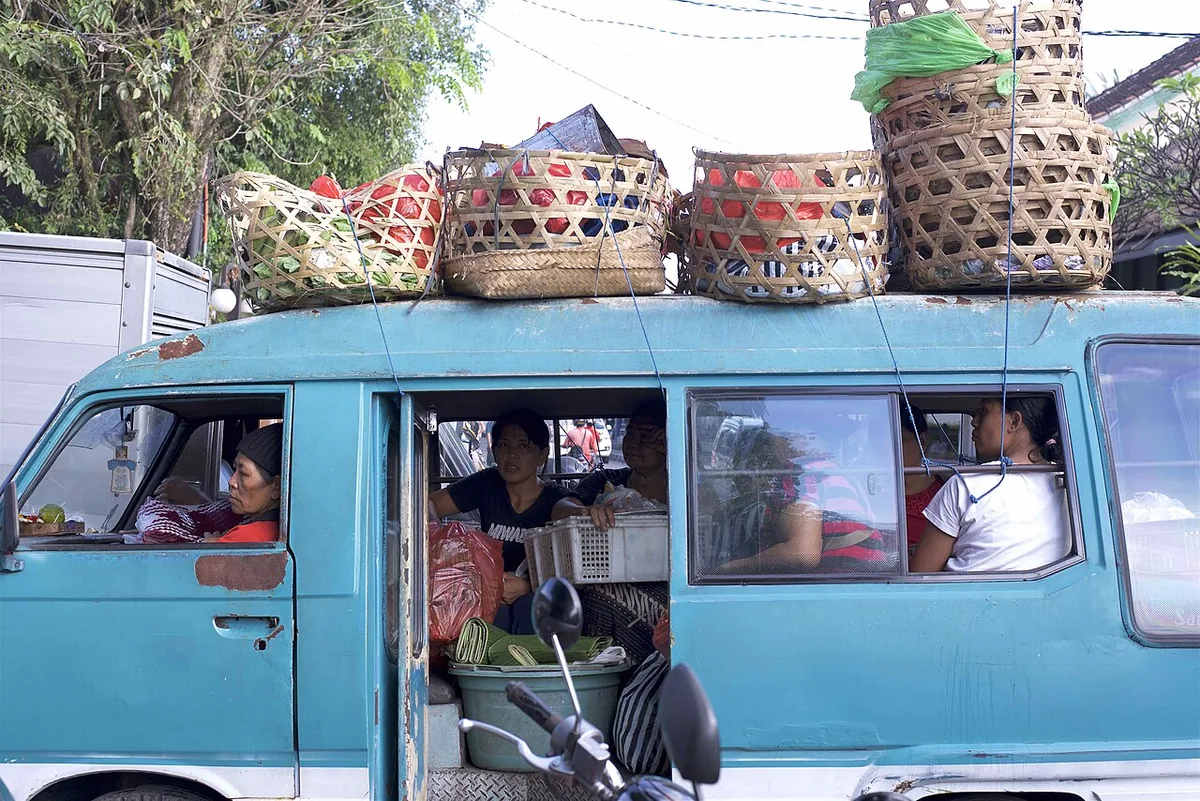
Ubud’s town centre is walkable, but most temples, rice terraces, and waterfalls are 10–30 minutes away by road. The best way to get around is by scooter — daily rental costs IDR 60,000–100,000 ($4–$6) and gives you complete freedom. An international driving licence with motorcycle endorsement is technically required.
If you do not ride, hire a private driver for day trips. A full day (8 hours) costs IDR 450,000–600,000 ($30–$40) and covers multiple destinations. Ask your hotel to recommend someone — good drivers book up fast in high season.
Areas of Ubud: Where Things Are
Ubud is not a single neighbourhood — it is a collection of small villages that have grown into each other. Knowing the layout saves time and helps you choose where to stay.
- Central Ubud (Jalan Raya Ubud, Monkey Forest Road) — Restaurants, shops, art galleries, Ubud Palace. Most convenient but busiest.
- Penestanan & Campuhan — Quieter, artsy, great rice field walks. 10–15 minutes walk west of centre.
- Nyuh Kuning — Residential village south of the Monkey Forest. Peaceful, excellent-value accommodation.
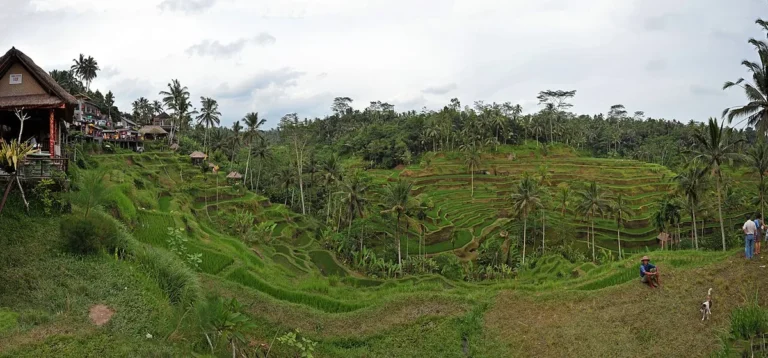
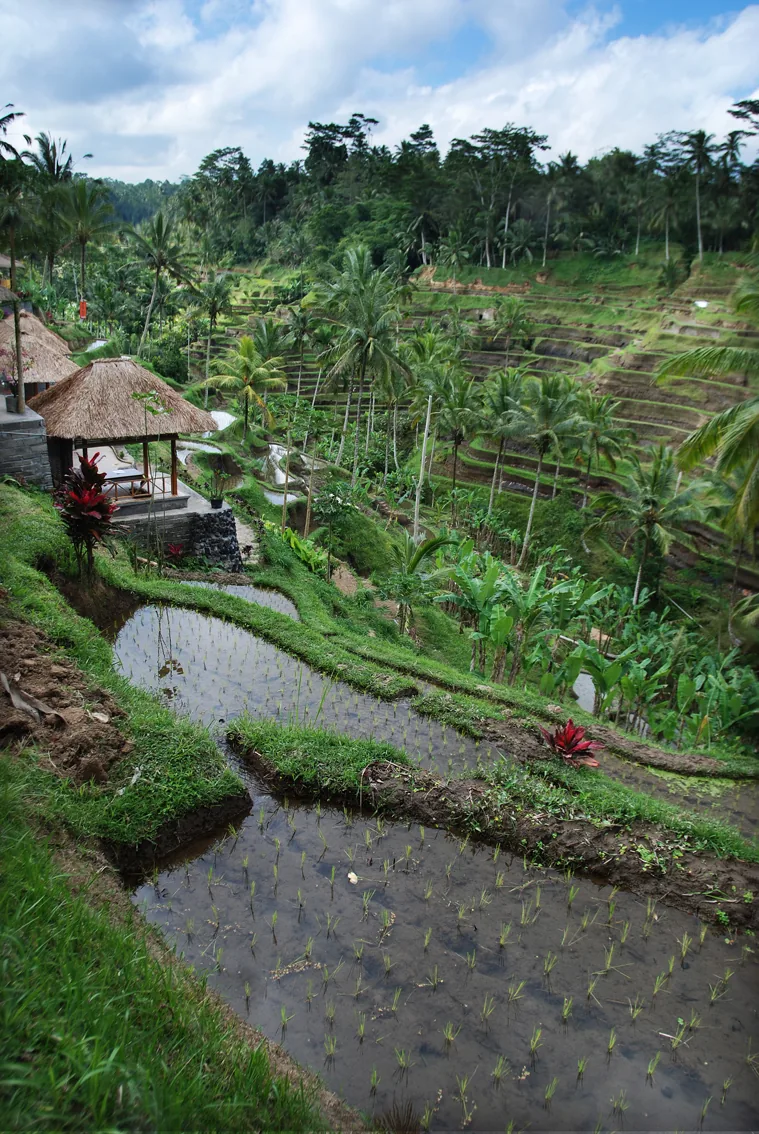
- Tegallalang — Famous rice terraces, 8 km north of central Ubud. Worth visiting, but expensive to stay.
- Mas — Woodcarving village south of Ubud. Good for art lovers and local culture.
How Much Does Ubud Cost?
| Category | Budget | Mid-Range | Comfort |
|---|---|---|---|
| Accommodation/night | $10–$25 | $40–$80 | $100–$300+ |
| Meals (local warung) | $2–$5 | $8–$15 | $20–$40 |
| Scooter rental/day | $4–$6 | $4–$6 | — |
| Private driver/day | — | $30–$40 | $40–$60 |
| Temple entry | $1–$3 | $1–$3 | $1–$3 |
| Daily total (estimate) | $25–$40 | $60–$100 | $150–$300+ |
Essential Tips Before You Go
- Dress respectfully at temples — Sarong and sash required. Most temples lend them at the gate for a small donation.
- Carry small cash — Many warungs, markets, and attractions are cash-only. ATMs are available in central Ubud but charge fees.
- Respect ceremonies — Ubud has daily religious activity. If you encounter a procession, step aside and do not photograph without asking.
- Book accommodation early in peak season — The best guesthouses in Ubud fill up weeks ahead in July and August.
- Negotiate politely at markets — Bargaining is expected at craft markets. Start at 40–50% of the asking price and meet somewhere in the middle.
- Download offline maps — Mobile data can be patchy in the rice fields. Google Maps offline or Maps.me work well.
Frequently Asked Questions About Visiting Ubud
How many days do you need in Ubud?
Three days is the minimum to cover the essentials — the rice terraces, a temple or two, and some time on the Campuhan Ridge. Five to seven days lets you go deeper: cooking classes, village walks, day trips to nearby volcanoes or waterfalls, and the slower pace that makes Ubud genuinely restorative.
Is Ubud safe for solo travellers?
Yes. Ubud is one of the safest destinations in Southeast Asia, with low violent crime and a strong culture of hospitality. Solo travellers — including solo women — report feeling comfortable. Standard travel precautions apply: watch your belongings in crowds, use licensed transport, and be cautious on scooters on wet roads.
Is Ubud worth visiting without a scooter?
Yes, but you will need to budget for private drivers or taxis to reach the rice terraces and outlying temples. Central Ubud and the Campuhan Ridge Walk are entirely accessible on foot. If you are not comfortable riding a scooter, hiring a driver for one or two full-day excursions covers most of the essential sights.
What is Ubud famous for?
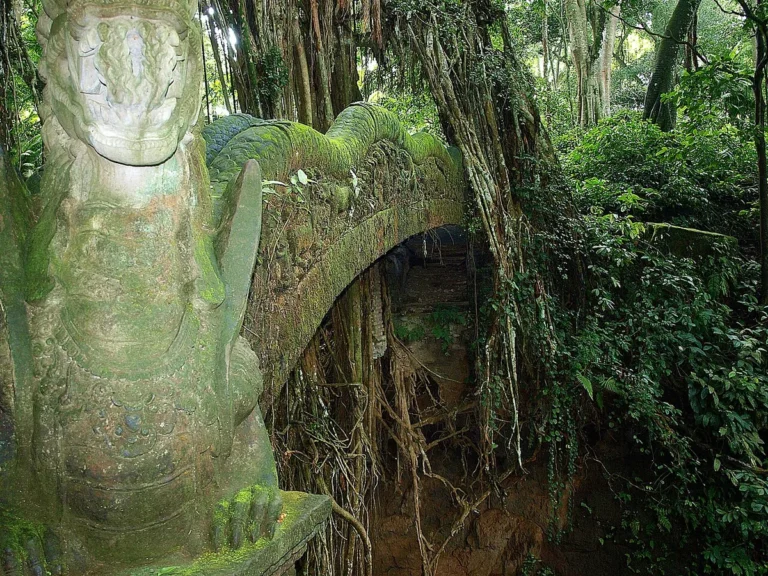
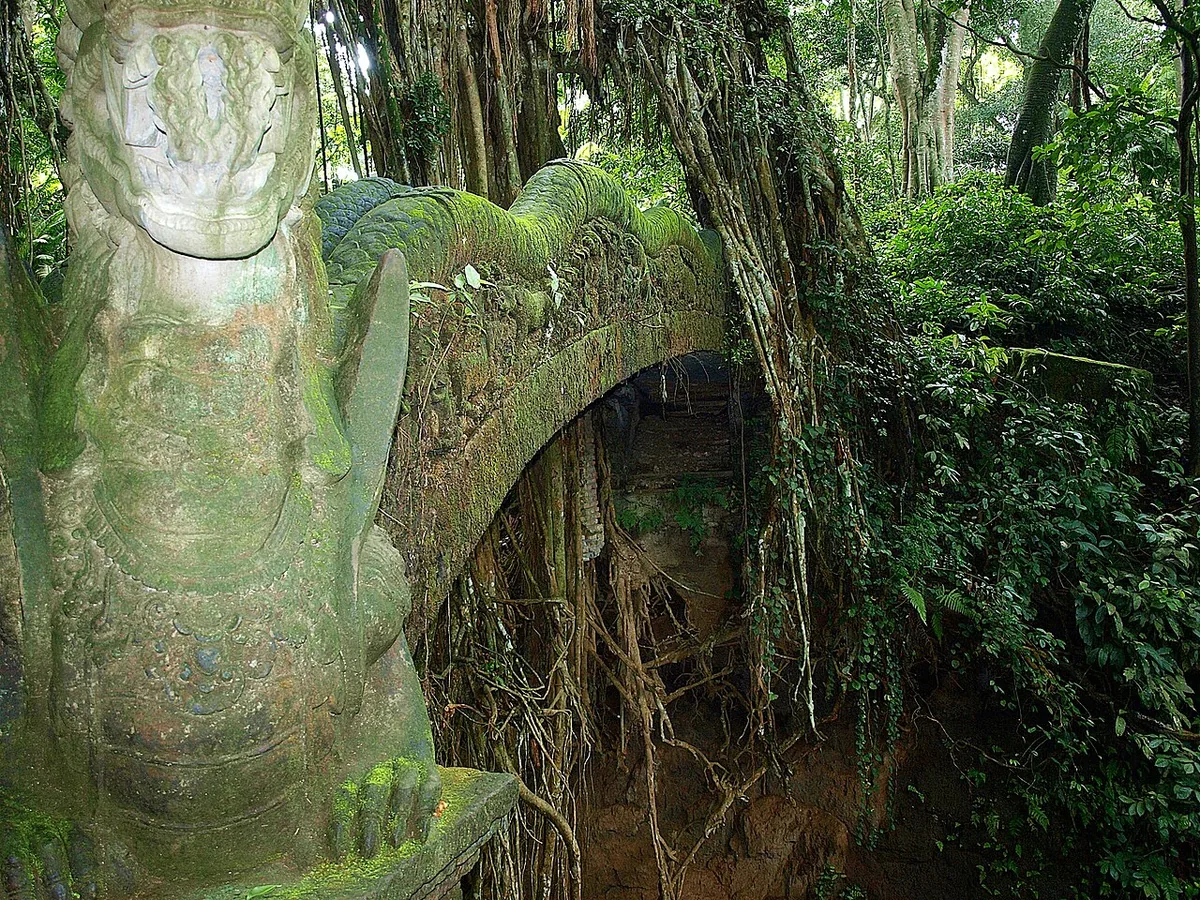
Ubud is famous for its Balinese arts and crafts scene, the Tegallalang rice terraces, the Sacred Monkey Forest Sanctuary, traditional dance performances at Ubud Palace, and its reputation as a wellness destination. It gained global attention after being featured in the memoir and film Eat Pray Love (2006/2010).