Hidden Gems in Hoi An: 10 Secret Spots Most Tourists Miss
Hoi An is one of the best-preserved trading ports in Southeast Asia — a UNESCO World Heritage town of lantern-lit streets, tailors, and centuries-old merchant houses. But it is also one of Vietnam’s most visited destinations, and the Ancient Town can feel overrun by mid-morning. The hidden gems in Hoi An are not far away. They are a bicycle ride past the tour groups, a dawn walk before the crowds arrive, or a conversation with a local who steers you somewhere nobody else goes.
These ten hidden gems reward the traveller who looks beyond the obvious — and most of them cost almost nothing to visit.
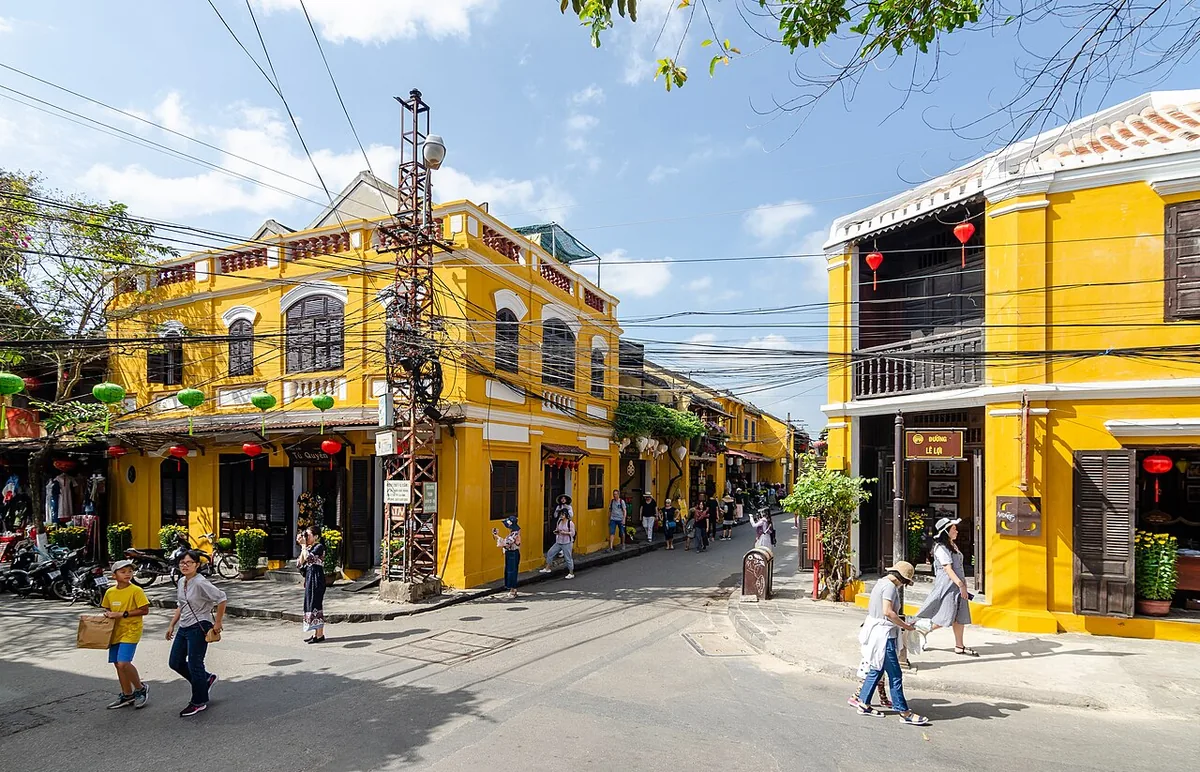
1. The Ancient Town Before 7 AM
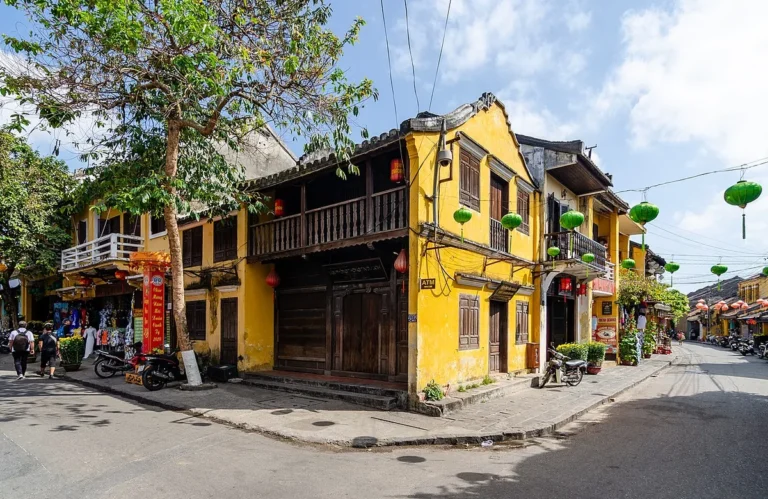
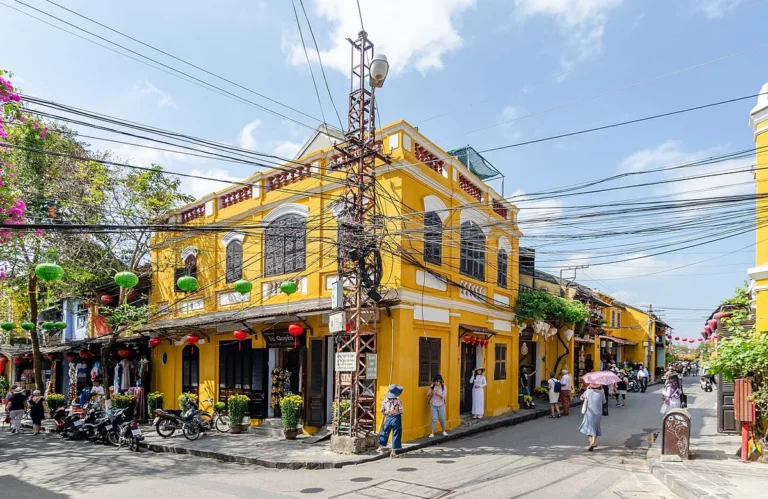
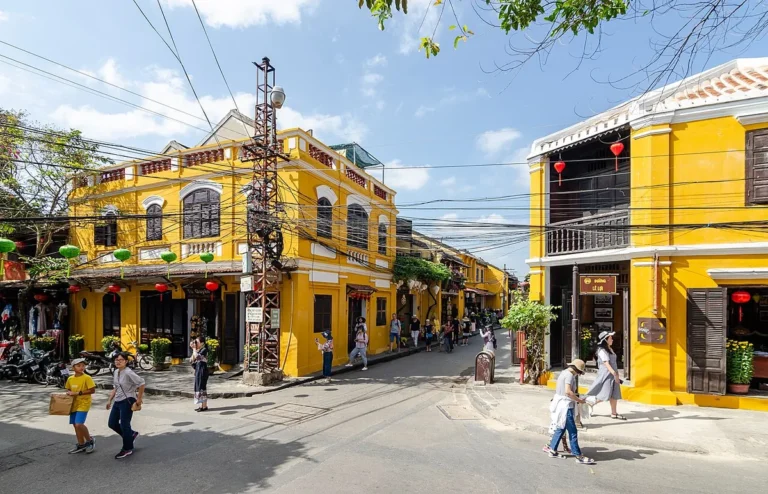
The single most underrated thing you can do in Hoi An is walk the Ancient Town at dawn. By 9 AM, the streets are filling with tour groups and day-trippers from Da Nang. At 6 AM, the same streets belong to shopkeepers opening their shutters, women carrying baskets to market, and the smell of pho broth drifting from tiny kitchen windows. The golden merchant houses and assembly halls look entirely different without crowds — quieter, older, more real.
Set your alarm. The entire Ancient Town is a different place in the hour after sunrise, and it costs nothing to walk.
2. Tra Que Vegetable Village
Three kilometres north of the Ancient Town, Tra Que is a small farming village that has been growing herbs and vegetables for Hoi An’s kitchens for centuries. A bicycle path connects it to town, and the village offers something increasingly rare in tourist Vietnam: a working agricultural community that has not been entirely reshaped for visitors.
You can walk the plots with a local farmer, learn about the irrigation methods, and then take a cooking class using vegetables pulled from the ground that morning. The prices are a fraction of the town-centre cooking schools and the experience feels completely authentic. Allow half a day.
3. An Bang Beach on a Weekday Morning
Most visitors to Hoi An day-trip to Cua Dai or An Bang Beach in the afternoon when the beaches are busiest. Go to An Bang on a weekday morning before 10 AM and you will find a largely empty stretch of sand, a few fishermen sorting their nets, and the casual beach bars not yet open for business. The South China Sea is warm, the waves are gentle, and the 4 km bicycle ride from the Ancient Town is flat and scenic.
Have breakfast at one of the small cafes near the beach entrance before the crowds arrive. Soul Kitchen and La Plage are local favourites that open early.
4. Kim Bong Carpentry Village
Kim Bong, across the Thu Bon River from the Ancient Town, has been producing Hoi An’s famous carved wood furniture and architectural details since the 15th century. The craftsmen here built much of the Ancient Town itself. A short ferry crossing (5,000 VND) lands you in a village of open-fronted workshops where carvers and joiners work using techniques that have not changed in generations.
Few tour groups come here. Wander freely between the workshops, watch the craftsmen work, and buy directly from the makers. Carved lacquerware, wooden models of traditional boats, and handmade furniture are all available at much lower prices than the Ancient Town shops.
5. Thanh Ha Pottery Village
Two kilometres west of the Ancient Town along the Thu Bon River, Thanh Ha has been making terracotta pottery since the 15th century. The village fell into decline when plastic and industrial ceramics replaced traditional pottery in Vietnamese households, but it has found a second life through heritage tourism — done well. You can try the wheel yourself, watch master potters throw pots, and buy pieces directly from the kilns.
Combine Thanh Ha with a bicycle ride along the riverside path and lunch at a floating restaurant on the Thu Bon. The river scenery west of Hoi An is one of the most beautiful and least photographed landscapes in central Vietnam.
6. The Back Streets of the Ancient Town
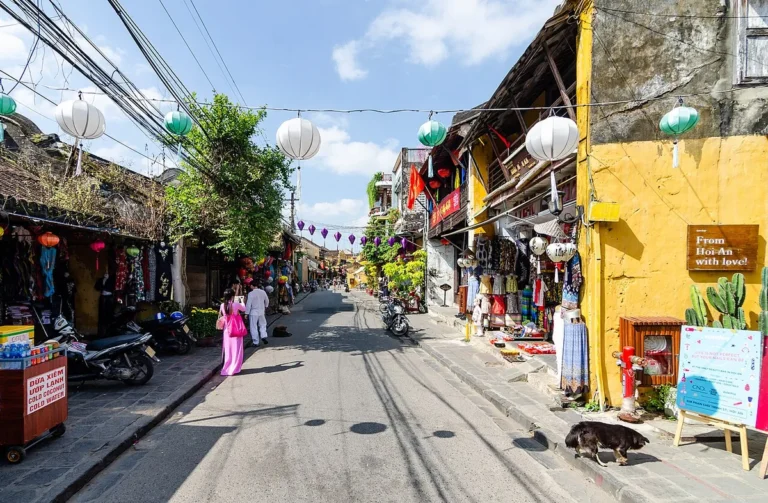
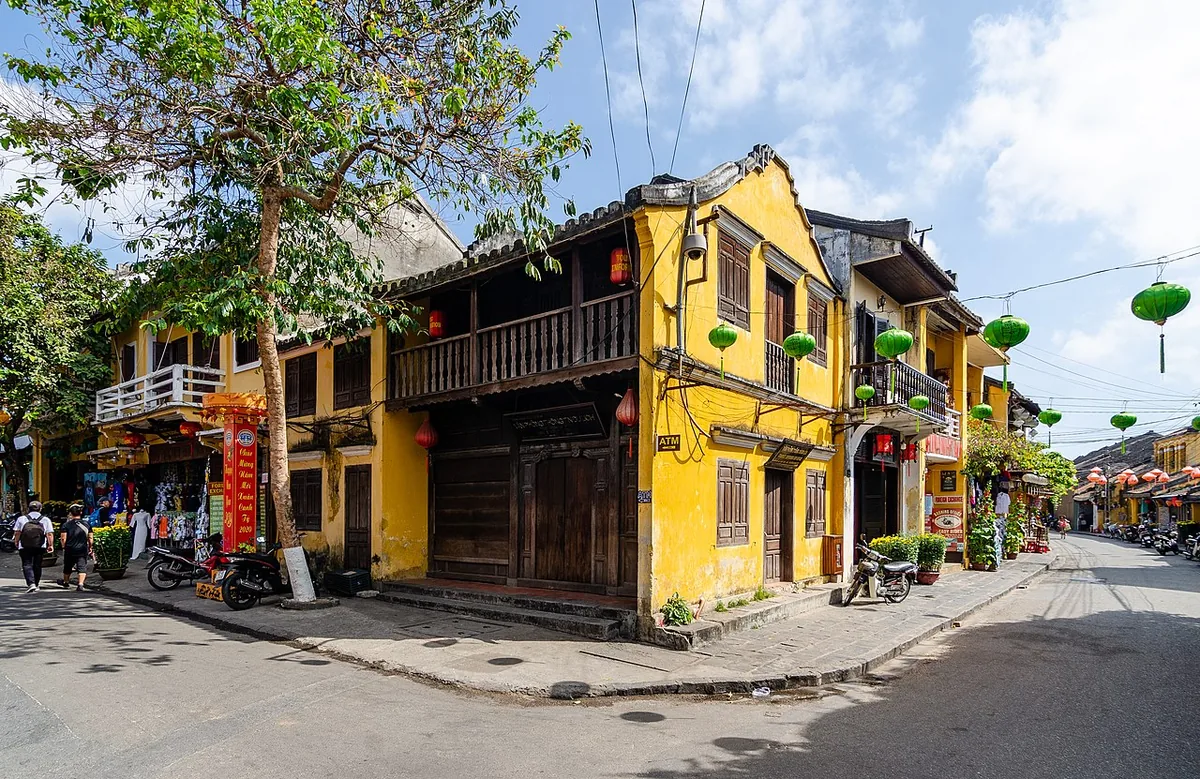
Most visitors to the Ancient Town walk the same three or four main streets: Tran Phu, Nguyen Thai Hoc, Bach Dang riverside. The hidden gem is the maze of smaller lanes behind them — Phan Boi Chau, Le Loi, and the streets around the local market. Here, the tourist infrastructure thins out and the town’s residential life becomes visible: children cycling home from school, families eating lunch on plastic stools, the smell of incense from household shrines.
Get lost deliberately. Hoi An’s Ancient Town is compact enough that you cannot get very lost, and the experience of turning a corner onto a lantern-strung alley with nobody else around is one you will not find on the main streets at any hour.
7. Cam Thanh Village and the Coconut Palm Forest
South of the Ancient Town, the Thu Bon River delta opens into a network of waterways winding through dense coconut palm forests. Cam Thanh Village is the gateway to this area, and a boat or basket boat (thung chai) ride through the palm-shaded channels is one of the most distinctive experiences in the Hoi An region. Local fishermen navigate the narrow passages with extraordinary skill.
Book a morning trip before the heat peaks. The best versions include a crab-fishing demonstration, a traditional music performance on the water, and a lunch of freshly caught seafood at a riverside restaurant. Several local operators run these trips for 150,000–250,000 VND per person.
8. My Son Sanctuary at Opening Time
My Son is not technically in Hoi An — it is 40 km west — but it is the most historically significant site within day-trip range and almost always visited at the wrong time. The Hindu temple complex of the Cham people, built between the 4th and 13th centuries, is listed as a UNESCO World Heritage site. Most tours arrive at 9–10 AM after the light is harsh and the groups are thick.
Rent a motorbike and arrive at opening (7 AM). The site at dawn, with mist rising from the jungle-surrounded ruins and almost no other visitors, is extraordinary. Hire a guide on-site — the archaeological context given by a good guide transforms the experience from a walk among old stones into a window onto a lost civilisation.
9. Hoi An Night Market — The Local Section
The Hoi An Night Market on Nguyen Hoang Street is well-known. What is less known is the section of the market nearest the An Hoi bridge that transitions from tourist souvenir stalls into local food vendors. From around 6 PM, this area fills with Vietnamese families eating, children running between tables, and a dozen food stalls selling dishes you will not see on the tourist menus: cao lau with extra broth, white rose dumplings made to order, and grilled river fish with lemongrass and chilli.
Eat here rather than the restaurants facing the river. The food is better, the prices are a third of the price, and you are sitting among the town’s residents rather than across a table from other tourists.
10. The Thu Bon River at Dusk by Bicycle
Rent a bicycle and ride west along the north bank of the Thu Bon River in the hour before sunset. The road thins quickly into a lane, then a path between rice fields and vegetable plots. Fishing boats are returning to their moorings, farmers are heading home, and the light on the water and the paddies is the kind that makes you stop cycling just to look.
This is the hidden gem that costs almost nothing — a bicycle hire for the day runs 30,000–50,000 VND ($1.25–$2) — and it is the version of Hoi An that stays with you longest after you leave.
Tips for Finding Hoi An’s Hidden Gems
- Rent a bicycle — Most of Hoi An’s hidden gems are 2–5 km from the Ancient Town. A bicycle costing 30,000–50,000 VND/day opens all of them.
- Go early — The Ancient Town before 8 AM and the beaches before 10 AM are transformed by the absence of crowds.
- Cross the river — Kim Bong and the south bank of the Thu Bon are bypassed by most visitors. Take the ferry.
- Ask your guesthouse — The best local tips are always from the family running your accommodation, not from a tour desk.
- Stay at least 4 nights — Hoi An’s hidden gems emerge with time. Two days gives you the highlights; four days gives you the town itself.