

3 Days in Luang Prabang: The Perfect Itinerary for First-Time Visitors
Three days in Luang Prabang is the minimum for understanding the city properly — and the starting point from which most travellers wish they had stayed longer. This itinerary covers the alms-giving ceremony, the most important temples, Kuang Si Waterfall, the Pak Ou Caves, the riverside villages, and the cooking tradition that makes Lao food one of Southeast Asia’s most rewarding and least appreciated cuisines. It builds in early starts on the days that earn them, and slower afternoons where Luang Prabang is best experienced without a schedule.
Day 1: The Town, the Temples, and Tak Bat
Pre-Dawn: Tak Bat — the Monks’ Alms-Giving Ceremony
Set your alarm for 5 AM on Day 1. Walk to Sakkaline Road before 5:30 AM and position yourself well back from the procession route. The alms-giving ceremony — Tak Bat — begins before 6 AM, as hundreds of monks walk barefoot in silence collecting sticky rice from the local women who have been preparing their offerings since before dawn. Stand quietly, do not use flash, and observe.
This is not the most comfortable start to a trip. It is the most important. The 30 minutes of the procession, observed respectfully, sets the tone for everything else you will see in Luang Prabang — a living city of Buddhist practice, not a heritage museum.
Morning: Morning Market and Wat Xieng Thong
After Tak Bat, walk to the morning market on Kitsalat Road for breakfast — khao piak sen (Lao rice noodle soup) and sticky rice from the stalls that have been operating since 5:30 AM. Eat among the monks, schoolchildren, and market vendors who are the real community of Luang Prabang before the town wakes up for tourists.
By 8 AM, walk to Wat Xieng Thong at the northern tip of the peninsula — arrive at opening for the best experience. Spend 45–60 minutes in the compound: the main sim with its sweeping roof, the Tree of Life mosaic on the rear wall, the smaller red chapel, and the funeral carriage house. This is the finest Buddhist temple architecture in Laos. Entry: 20,000 LAK.
Late Morning: Wat Mai and the Royal Palace Museum
Walk south along the peninsula to Wat Mai (the gilded bas-relief facade) and the adjacent Royal Palace National Museum. The museum houses the Phra Bang Buddha image — the most sacred object in Laos — and the former royal apartments with original furnishings, diplomatic gifts, and the throne room. Entry: 30,000 LAK. No photography inside. Allow 1 hour total for both.

Afternoon: Phu Si Hill and the Night Market
Have lunch at a local Lao restaurant near the market — try laap (minced meat salad with toasted rice and herbs) for the first time. Rest during the hottest part of the early afternoon, then climb Phu Si Hill at 5 PM for sunset. Arrive early enough to find a space on the summit before the crowd peaks at 5:30 PM. The 360-degree view of the Mekong, the Nam Khan, and the UNESCO townscape at golden hour is Luang Prabang’s best elevated perspective.
Descend and walk directly to the Night Market on Sisavangvong Road, which opens at 5:30 PM. Browse the Lao textiles and handicrafts while still in the afterglow of the sunset. Eat dinner at the night market’s fixed-price Lao buffet stalls — pile sticky rice and choose from the small dishes arranged along the serving table. Cost: 15,000–25,000 LAK for a full meal.
Day 2: Kuang Si Waterfall and Riverside Villages
Morning: Kuang Si Waterfall
Book the shared minibus to Kuang Si Waterfall the evening before (50,000 LAK each way, departs 8:30 AM from near the main market). Arrive at the waterfall at 9 AM — early enough to reach the upper pools before the main tour groups arrive at 10 AM. The turquoise tiered falls, set in jungle 29 km south of Luang Prabang, are one of the most beautiful natural sites in Laos.
Visit the Bear Rescue Centre at the entrance (free, included in the 60,000 LAK entry ticket) — the centre rehabilitates sun bears rescued from the illegal wildlife trade. Then explore the waterfall trail to the top. Swimming is permitted in the lower pools from 9 AM onward. The water is cool, clear, and genuinely turquoise. Stay until 11:30 AM and return to Luang Prabang for lunch.
Afternoon: Cycling the Riverside Villages
After lunch, rent a bicycle and ride north along the Mekong bank to Ban Xang Khong (3 km) — the mulberry paper and silk weaving village. Watch the paper-making process from bark to finished sheet, see weavers at traditional looms, and buy directly from the makers. Continue along the riverside track to see further village life before returning.

Alternative route: ride east along the Nam Khan to Ban Phanom (3 km) for the silk weaving community and the golden stupa at Wat Phou Phao. Either route makes for a beautiful 2–3 hour afternoon cycle through working Lao villages. Bicycle hire: 20,000–40,000 LAK/day.
Evening: Mekong Sunset and Lao Cooking Class Dinner
Return in time to watch the Mekong sunset from a riverside terrace or bar. Then head to a local Lao restaurant for dinner — try mok pa (river fish steamed in banana leaf with dill and lemongrass) and or lam (the slow-cooked Luang Prabang stew flavoured with sakhaan pepper vine) if you have not already. These two dishes are specific to Luang Prabang and unavailable in this form anywhere else.
Day 3: Pak Ou Caves, Cooking Class, and Departure
Morning: Pak Ou Caves by Slow Boat
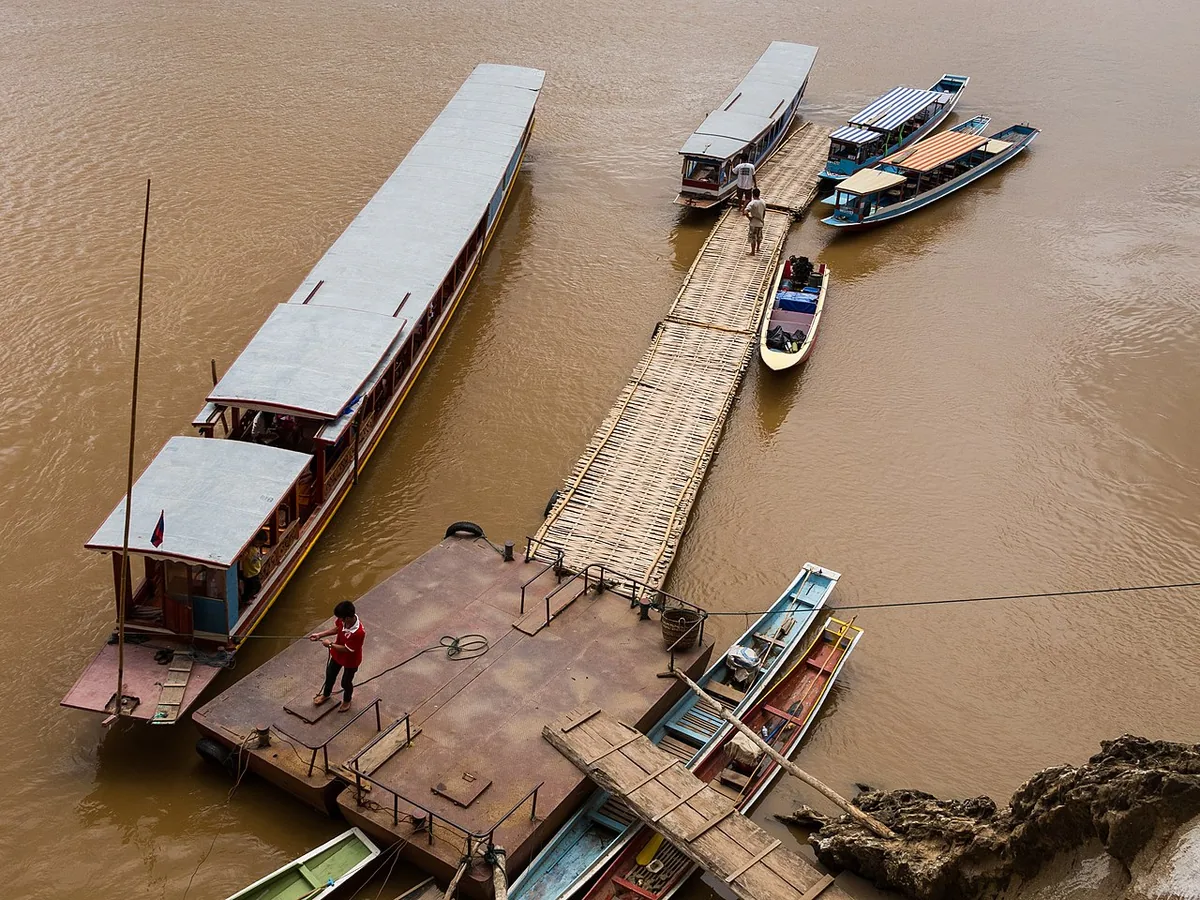
Arrange a longtail boat from Ban Wat That pier the evening before (negotiate $20–$30 for the boat). Depart at 8 AM for the 2-hour upstream journey to Pak Ou Caves, 25 km north on the Mekong. The boat journey passes fishing villages, children bathing at river landings, and a Mekong valley that looks unchanged from the river trade era. Stop at Ban Xang Hai (the whisky village) on the return journey to sample lao-lao rice whisky and browse the riverside stalls.
The caves themselves — Tham Ting (lower, accessible) and Tham Phum (upper, torch required) — contain thousands of Buddha images accumulated over centuries of riverboat pilgrimage. The lower cave at dawn, before the tourist boats arrive, with lantern light on the gilt figures and the Mekong visible through the cave mouth, is deeply atmospheric. Return to Luang Prabang by noon.
Afternoon: Lao Cooking Class
Book a Lao cooking class for the afternoon (2–6 PM). Most classes in Luang Prabang begin with a market visit, include a boat crossing to an organic garden for herb gathering, and end with a 4–5 dish meal that you cooked. You learn the foundations of Lao cuisine — the spice pastes, the sticky rice technique, the herb combinations — in a setting specific to Luang Prabang. Cost: $25–$45 per person. Book 1–2 days in advance.
Final Evening: A Slow Walk and the River
Spend the last evening slowly. Walk the heritage peninsula without a destination — the temple courtyards open toward dusk, the monks returning from their evening prayers, the lanterns coming on along the Mekong strip. Find a table at a riverside restaurant for a final Lao dinner as the night comes down over the water. Order one more plate of sticky rice. Order another Beer Lao.
Luang Prabang has a well-documented effect on travellers: the proportion who leave wanting more is unusually high. Three days shows you the shape of it. It takes longer than that to understand why the monks chose this particular bend in the Mekong, at the foot of these particular mountains, to build a kingdom worth naming after a golden statue.
3-Day Luang Prabang Itinerary: Quick Reference
| Day | Morning | Afternoon | Evening |
|---|---|---|---|
| Day 1 | Tak Bat at 5:30 AM + morning market breakfast + Wat Xieng Thong + Royal Palace Museum | Rest + Phu Si Hill sunset | Night market dinner |
| Day 2 | Kuang Si Waterfall (depart 8:30 AM) | Cycling to riverside villages (Ban Xang Khong or Ban Phanom) | Mekong sunset + Lao restaurant dinner |
| Day 3 | Pak Ou Caves by slow boat (depart 8 AM) | Lao cooking class (2–6 PM) | Final evening walk + riverside dinner |
Practical Notes
- Book the Kuang Si minibus the evening before — Tickets sell out in peak season. Secure Day 2 transport on the evening of Day 1.
- Negotiate the Pak Ou boat the evening before — Go to Ban Wat That pier at 5–6 PM on Day 2 to negotiate the longtail boat for Day 3. Early morning departure means no time to negotiate on the morning itself.
- Book the cooking class 1–2 days ahead — Good classes fill quickly in the November–February peak season.
- Carry small LAK bills daily — Market stalls, temple entries, tuk-tuks, and bicycle hire are all cash-only. ATMs have withdrawal limits; withdraw what you need the evening before each day.
- Consider a 4th night — If your schedule allows, a fourth day opens up: a full-day trek to a hill tribe village, a kayak on the Nam Ou river, or simply another morning at Tak Bat and a second visit to Wat Xieng Thong when you know what you are looking at. Luang Prabang rewards returning to the same places twice.
Frequently Asked Questions: Luang Prabang Itinerary
Is 3 days enough for Luang Prabang?
Three days covers the essential Luang Prabang experience: the alms ceremony, the key temples, Kuang Si Waterfall, the Pak Ou Caves, the riverside villages, and the food. Four to five days allows for day treks into the surrounding villages, the Nam Ou river valley, and the slower pace at which Luang Prabang reveals its character. Most travellers who stay three days wish they had stayed five — plan accordingly if your schedule allows.
What should I do first in Luang Prabang?
Observe Tak Bat on your first morning — the alms-giving ceremony at dawn is the best possible introduction to the city’s living Buddhist culture. Go before you have seen anything else, while it still surprises you. Then eat breakfast at the morning market, walk to Wat Xieng Thong when it opens, and let the rest of Day 1 unfold from that foundation. The temptation to sleep in on the first morning is understandable; resist it.
What is the best day trip from Luang Prabang?
Kuang Si Waterfall is the best single day trip from Luang Prabang — a 29 km journey to a turquoise multi-tiered waterfall in jungle, with a Bear Rescue Centre and butterfly park at the entrance. The Pak Ou Caves by slow boat is the best full-day river excursion. For those with more time, the Nam Ou river valley to the north offers a longer boat journey through increasingly remote and spectacular limestone karst scenery.


One Comment