
3 Days in Chiang Mai: The Perfect Itinerary (2026)
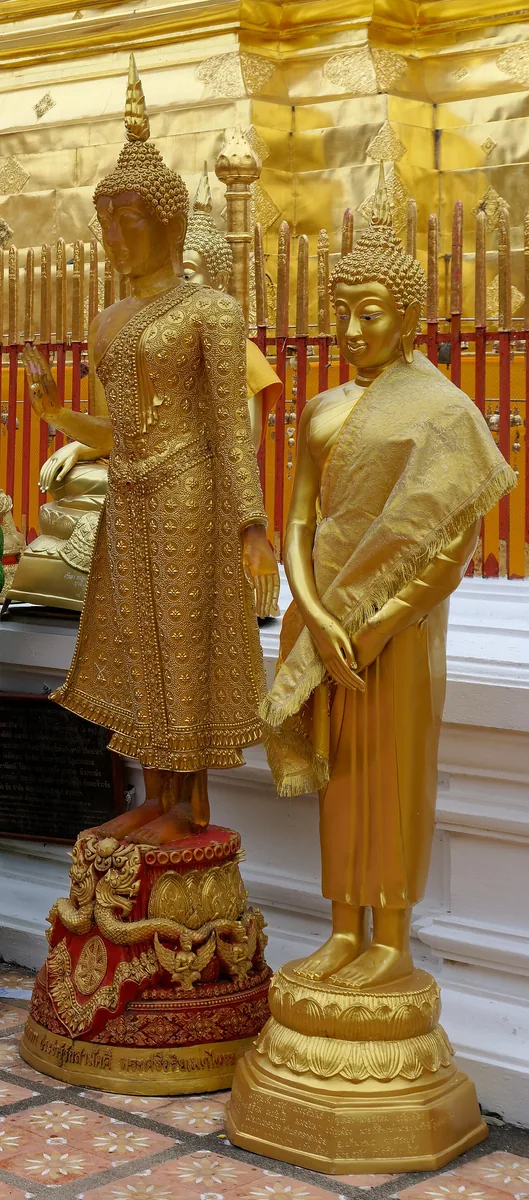
Three days in Chiang Mai is the ideal amount of time to experience Thailand’s cultural capital — enough to explore the ancient temples of the Old City, visit an ethical elephant sanctuary, take a Thai cooking class, hike to Doi Suthep, and spend evenings at the famous night markets. Chiang Mai is a city in northern Thailand, 700 kilometres north of Bangkok, set in a valley ringed by mountains at an altitude of 300 metres. It was the capital of the Lanna Kingdom for over 600 years and today holds more than 300 temples within a city of around 1.2 million people. This itinerary shows you exactly how to spend 3 days.
For practical travel logistics, read our Chiang Mai Travel Guide. For accommodation, see Where to Stay in Chiang Mai. For a deep dive into the city’s most important sights, read Temples in Chiang Mai.
Chiang Mai at a Glance
| Detail | Info |
|---|---|
| Location | Northern Thailand, Chiang Mai Province |
| Distance from Bangkok | 700 km (1 hr by flight; 11–12 hrs by train/bus) |
| Best time to visit | November–February (cool and dry season) |
| Currency | Thai Baht (THB); 1 GBP ≈ 44 THB; 1 USD ≈ 35 THB (2026) |
| Language | Thai; English widely spoken in tourist areas |
| Temples in the city | 300+ |
| Known for | Temples, elephant sanctuaries, night markets, cooking classes, trekking |
Day 1: Old City Temples and the Night Bazaar
Morning: Doi Suthep Temple (8:00 AM)
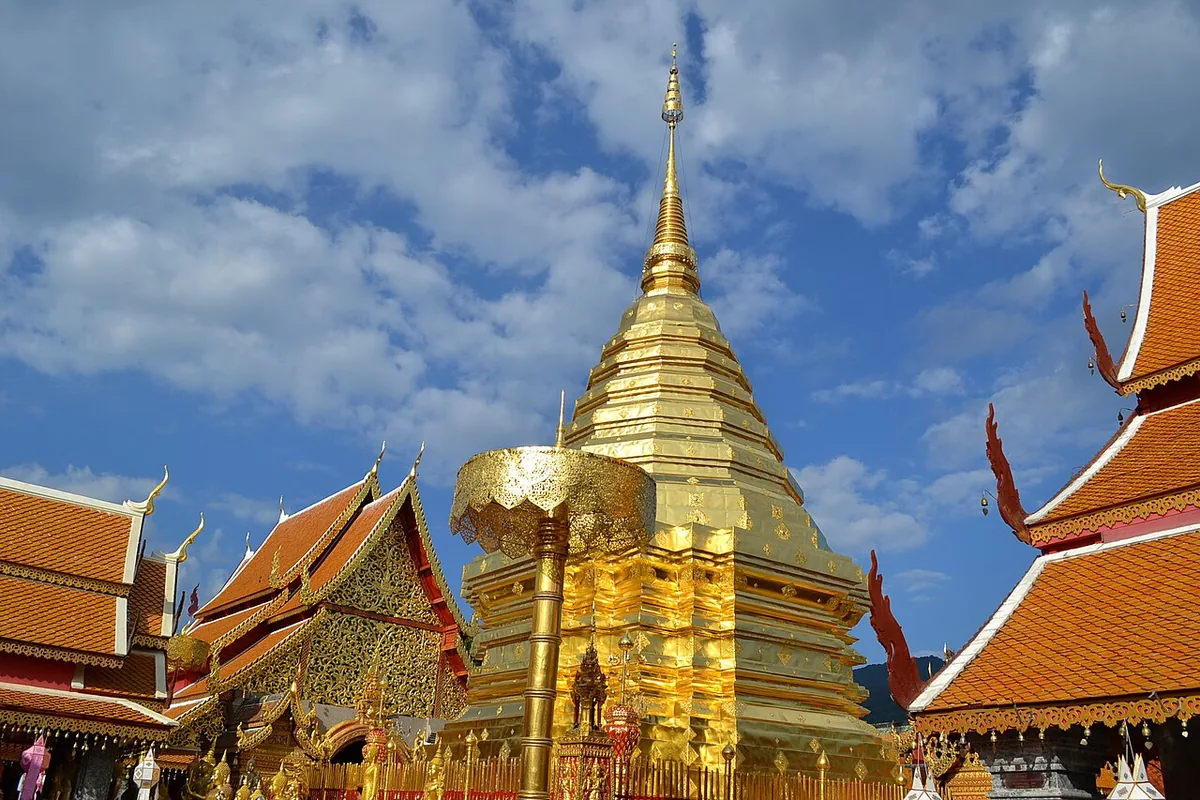
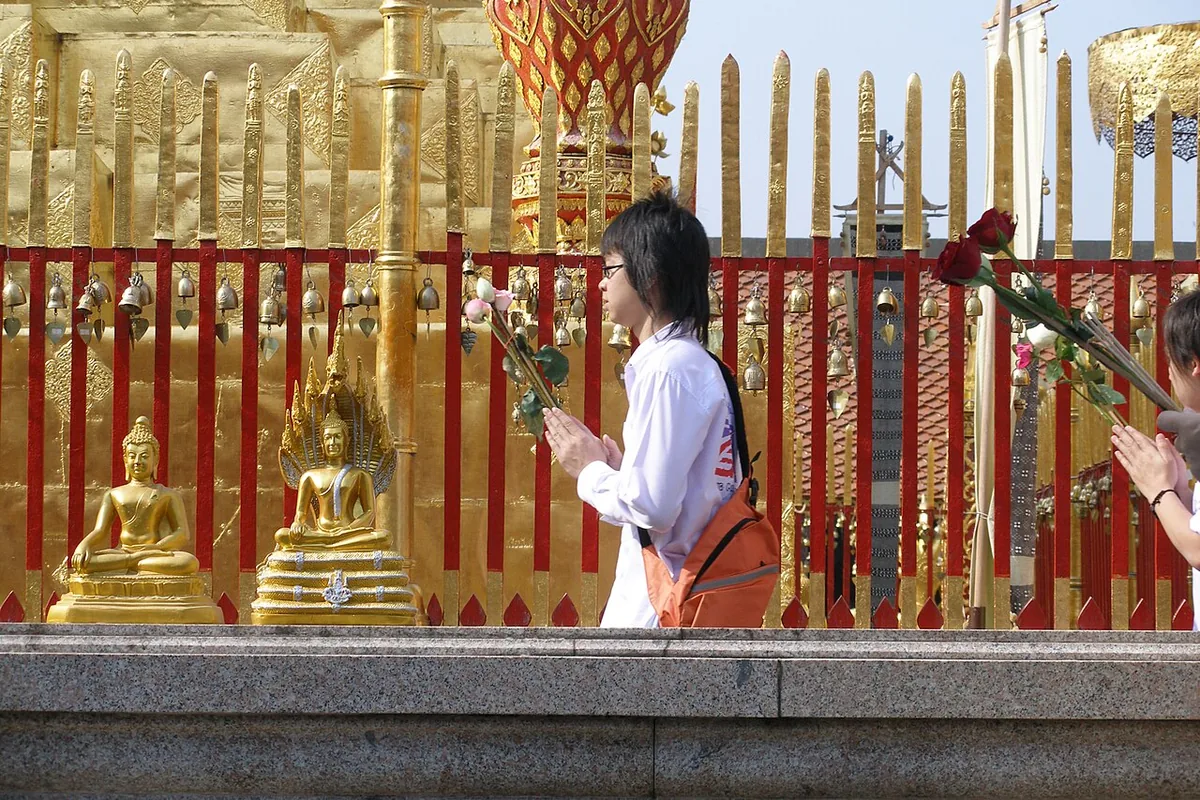
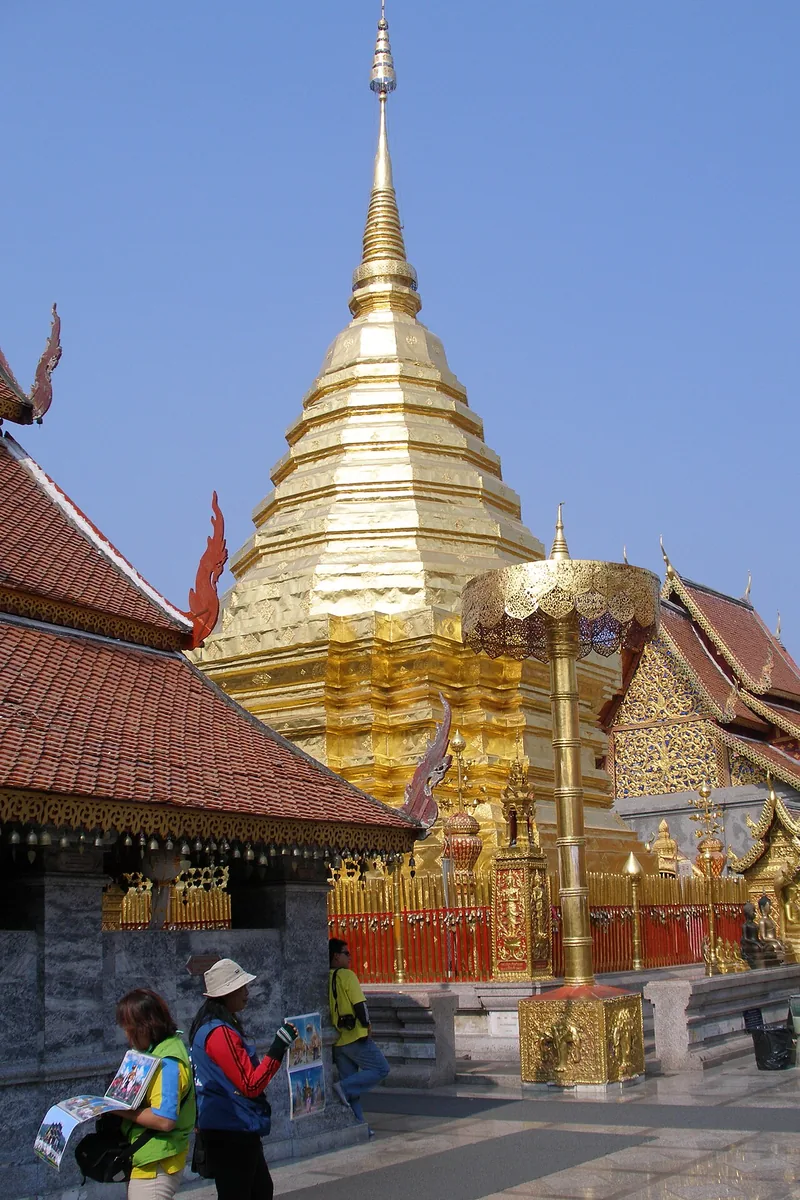
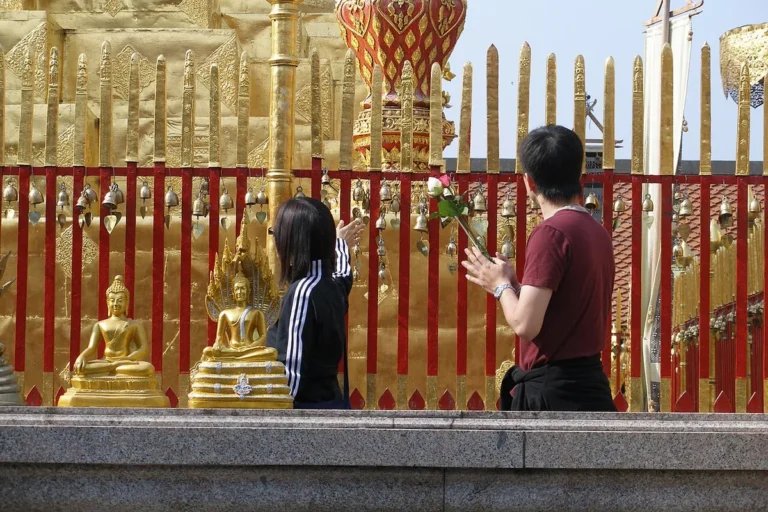
Start your Chiang Mai itinerary early with Doi Suthep — the most sacred temple in northern Thailand, perched at 1,073 metres on the mountain above the city. Go early to avoid the heat and tour groups. A songthaew (red shared truck taxi) from Nimman Road to Doi Suthep takes 30–40 minutes and costs 50–60 THB per person each way. Climb the 309-step Naga staircase to the temple complex, where a golden chedi (stupa) enshrines a relic of the Buddha. The views over Chiang Mai city and the valley below are magnificent on clear mornings. Allow 1.5–2 hours on site.
For the full temple guide, including visiting etiquette and what to see inside, read Temples in Chiang Mai.
Late Morning: Wat Chedi Luang and Wat Phra Singh (11:00 AM)
Return to the Old City for two of Chiang Mai’s finest ancient temples. Wat Chedi Luang, founded in 1441, contains the ruins of a once-enormous chedi that was partially destroyed by an earthquake in 1545 — at its height it stood 82 metres tall. The atmosphere inside the crumbling ruins is striking. Walk 10 minutes to Wat Phra Singh — the most revered temple within the Old City moat, housing the Phra Singh Buddha image that processions carry through the streets at Songkran each April. Both temples charge 40–50 THB entry for foreign visitors.
Afternoon: Cooking Class (1:00 PM)
A Thai cooking class is one of the best things to do in Chiang Mai — you learn to cook genuine northern Thai dishes (khao soi, pad thai, green curry) and take a recipe booklet home. Most half-day classes include a visit to a local market to buy ingredients, 4–5 dishes cooked and eaten, and run 1:00–5:00 PM. Prices range from 800–1,500 THB (£18–£34). Well-regarded schools include Thai Farm Cooking School, Zabb E Lee, and Asia Scenic. Book 1–2 days ahead.
Evening: Night Bazaar and Riverside Restaurants (6:00 PM)
The Chiang Mai Night Bazaar on Chang Khlan Road runs nightly and sells clothing, handicrafts, souvenirs, and street food. It’s more commercial than the Sunday Walking Street but more convenient for first evenings. The Ping River waterfront (10 minutes east by tuk-tuk) has a strip of Thai and international restaurants with terrace seating — The Riverside Bar and Restaurant is a reliable choice for dinner with live music.
Day 2: Elephant Sanctuary and Nimman
Full Day: Ethical Elephant Sanctuary (8:00 AM–4:00 PM)
Day 2 of your Chiang Mai itinerary should be dedicated to an ethical elephant experience — one of the most meaningful activities in Thailand. Ethical sanctuaries allow elephants to roam freely, do not offer elephant riding, and operate rehabilitation programs for rescued elephants. Book a full-day sanctuary visit that includes feeding, bathing in the river, and observing herd behaviour in natural forest settings.
- Recommended sanctuaries: Elephant Nature Park (the pioneer; from 2,500 THB), Elephant Jungle Sanctuary, Ran-Tong Save and Rescue Elephant Centre
- Price: 2,500–3,500 THB (£57–£80) per person for a full day including transport and meals
- Important: Avoid any sanctuary offering riding, shows, or chained elephants — these practices cause significant animal harm
- Booking: Essential — book 3–7 days ahead; popular sanctuaries sell out weeks in advance in peak season
Evening: Nimman Road and Maya Mall (7:00 PM)
Nimman Road (Nimmanhaemin Road) is Chiang Mai’s most fashionable street — lined with design cafes, boutique shops, co-working spaces, and restaurants popular with the city’s large digital nomad community. Maya Mall at the top of Nimman has a food court on the upper floor serving excellent, cheap Thai food (60–120 THB per dish). The surrounding Nimman side streets are worth exploring for independent coffee shops and street art.
Day 3: Doi Inthanon, Markets, and Departure
Morning: Doi Inthanon National Park (Optional — Full Day)
If you have an extra day or an early morning before a late flight, Doi Inthanon — Thailand’s highest peak at 2,565 metres — is 85 kilometres southwest of Chiang Mai. The park contains dramatic waterfalls (Wachirathan Falls, Mae Klang Falls), twin royal chedis at the summit with stunning mountain views, and hill tribe villages along the mountain road. A full-day tour costs 1,200–1,800 THB including transport and park fees. Alternatively, rent a motorbike for around 200–300 THB per day and self-drive.
Late Morning: Warorot Market (9:00 AM)
Warorot Market (Kad Luang) on Chang Moi Road is Chiang Mai’s largest covered market — a sprawling labyrinth of fresh produce, Thai snacks, dried goods, textiles, and household items used by local residents rather than tourists. It’s one of the most authentic market experiences in the city. The upper floors sell fabric, clothing, and hill tribe handicrafts at prices significantly lower than the Sunday Walking Street. Open daily; most active 6:00 AM–3:00 PM.
Sunday Option: Sunday Walking Street (5:00 PM–midnight)
If your Day 3 falls on a Sunday, the Sunday Walking Street on Wualai Road is the unmissable Chiang Mai market experience. The entire street closes to traffic from 5:00 PM; local artists, craftspeople, and food vendors set up along its length. The quality and authenticity of goods here — silver jewellery, hand-woven textiles, hill tribe crafts, local ceramics — is significantly higher than the Night Bazaar. Arrive at opening for the best selection before it becomes crowded.
Saturday Option: Saturday Walking Street
The Saturday Walking Street runs on Wualai Road (same street as Sunday), from 4:00 PM–midnight. Similar in format to Sunday but slightly smaller. If you have both days available, Sunday is the better of the two.
Chiang Mai Itinerary Tips
- Temple dress code: Cover shoulders and knees at all temples — carry a light scarf or sarong. Most major temples sell or lend sarongs at the gate
- Best transport: Red songthaews (shared taxis) are the cheapest option for short hops (20–60 THB); Grab (Thai Uber equivalent) is convenient and transparent on price
- Book elephant sanctuaries early — the best ethical sanctuaries fill weeks ahead in November–February
- Heat management: Plan outdoor activities before 11:00 AM and after 4:00 PM in the hot season (March–May); temperatures regularly exceed 38°C
- Cash is essential: Many Chiang Mai markets, street food stalls, and smaller guesthouses are cash-only; withdraw THB from ATMs at the airport or city centre banks
Frequently Asked Questions
Is 3 days in Chiang Mai enough?
Three days in Chiang Mai is enough to cover the main highlights — the Old City temples, an elephant sanctuary, a cooking class, Doi Suthep, and the night markets. Five to seven days allows for day trips to Doi Inthanon, trekking in the hill tribe villages north of the city, and a more relaxed pace through the city’s cafes and neighbourhoods.
What is the best time of year to visit Chiang Mai?
November to February is the best time to visit Chiang Mai — the cool dry season, with temperatures of 15–25°C, low humidity, and clear skies. March to May is very hot (35–40°C) and increasingly smoky due to burning season. June to October is the wet season — heavy afternoon rains but lush landscapes and far fewer tourists. The Yi Peng Lantern Festival (November full moon) is one of the world’s most spectacular events and draws large crowds.
How much does 3 days in Chiang Mai cost?
A budget 3-day Chiang Mai trip costs approximately $60–$90 per person per day including accommodation (guesthouse or hostel), street food and local restaurants, transport, and one major activity like a temple tour. Mid-range (guesthouse or boutique hotel, elephant sanctuary, cooking class, some restaurant meals) costs $120–$200 per day. Chiang Mai is one of Southeast Asia’s most affordable destinations.
For full trip planning, read the Chiang Mai Travel Guide. For all the top sights, see Best Things to Do in Chiang Mai.


2 Comments