
Best Things to Do in Da Nang, Vietnam (2026 Guide)
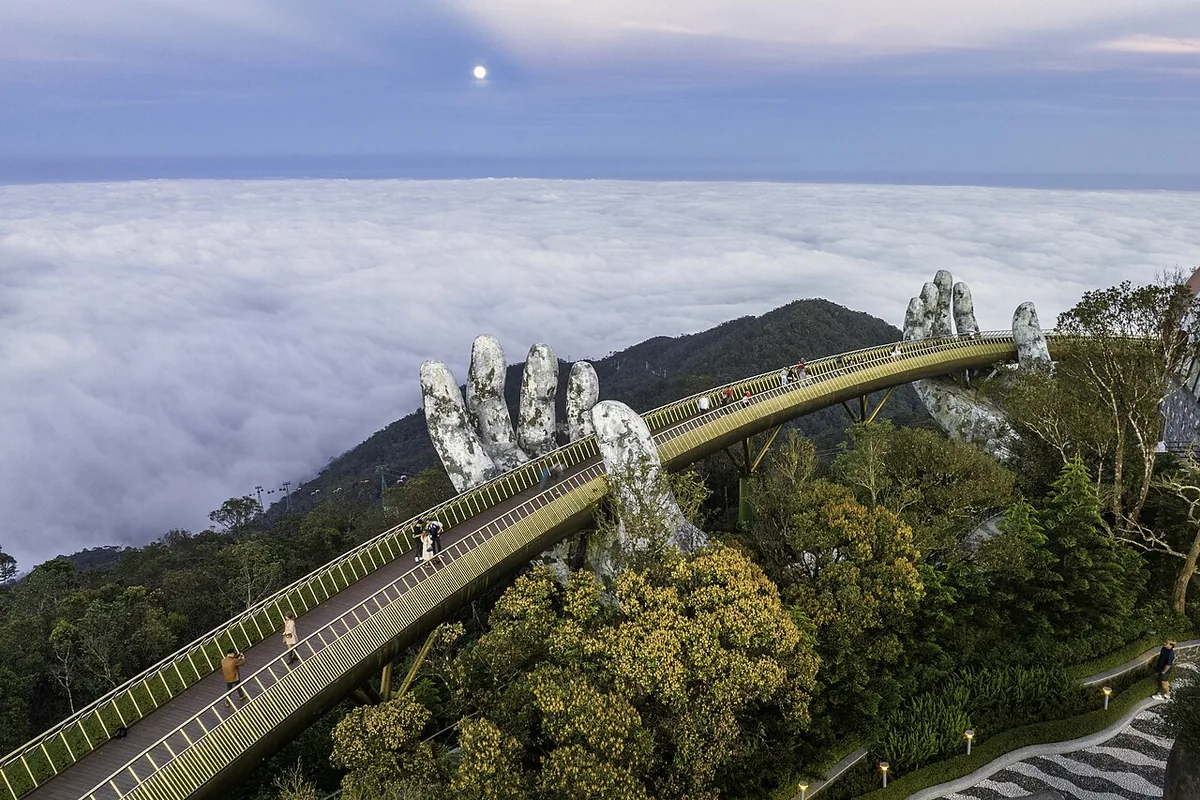
The best things to do in Da Nang include visiting the Golden Bridge at Ba Na Hills — the surreal stone-hand bridge photographed millions of times — spending mornings on My Khe Beach, exploring the cave temples of the Marble Mountains, watching the Dragon Bridge breathe fire on weekend nights, and taking day trips to the UNESCO World Heritage towns of Hoi An and Hue. Da Nang is Vietnam’s third-largest city and central coast hub, positioned midway between Hanoi and Ho Chi Minh City, and drawing over 8 million tourists per year. This guide covers the top attractions, free activities, food, and day trips in 2026.
For day-by-day planning, see our Da Nang 3-Day Itinerary. For Ba Na Hills in detail, read the Ba Na Hills Guide. For practical travel information, see Da Nang Travel Tips.
Top Attractions in Da Nang
1. Ba Na Hills and the Golden Bridge (Essential)
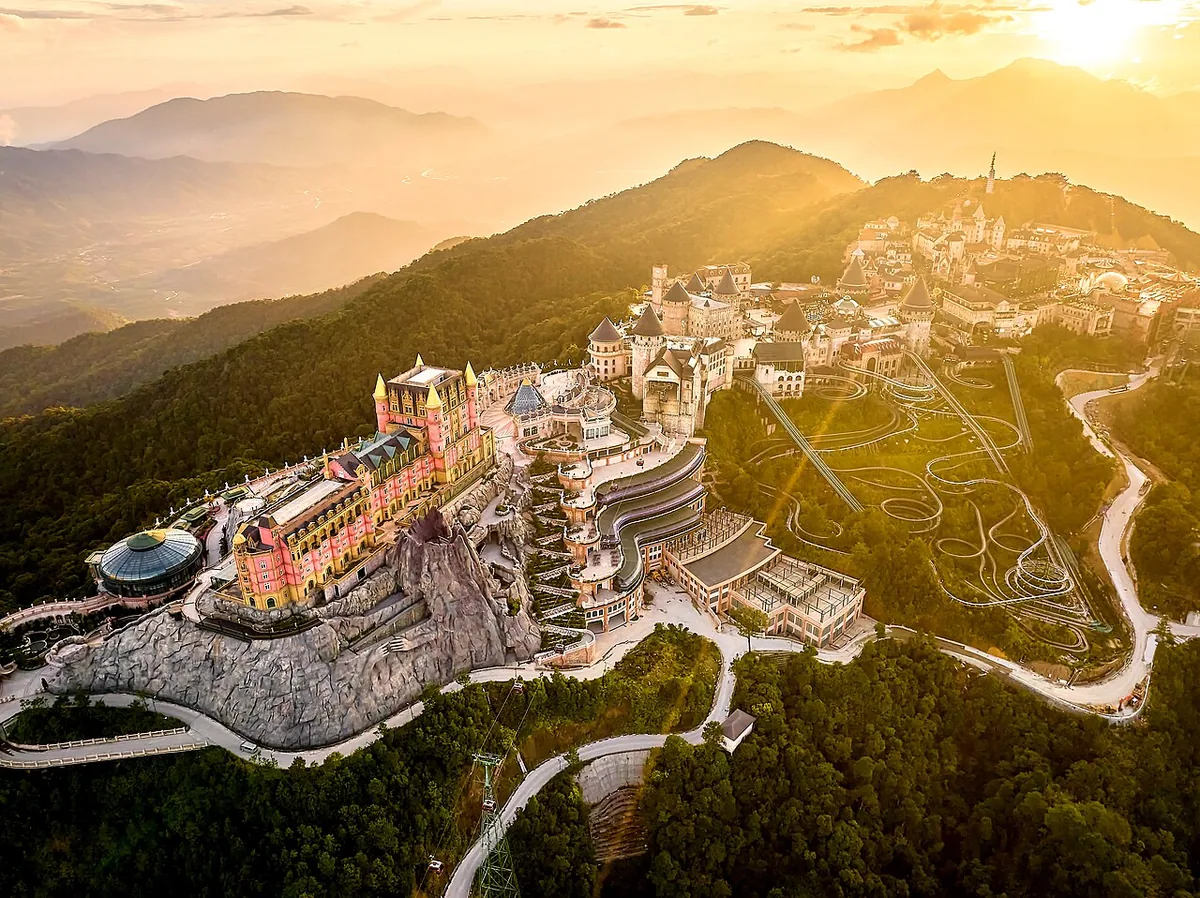
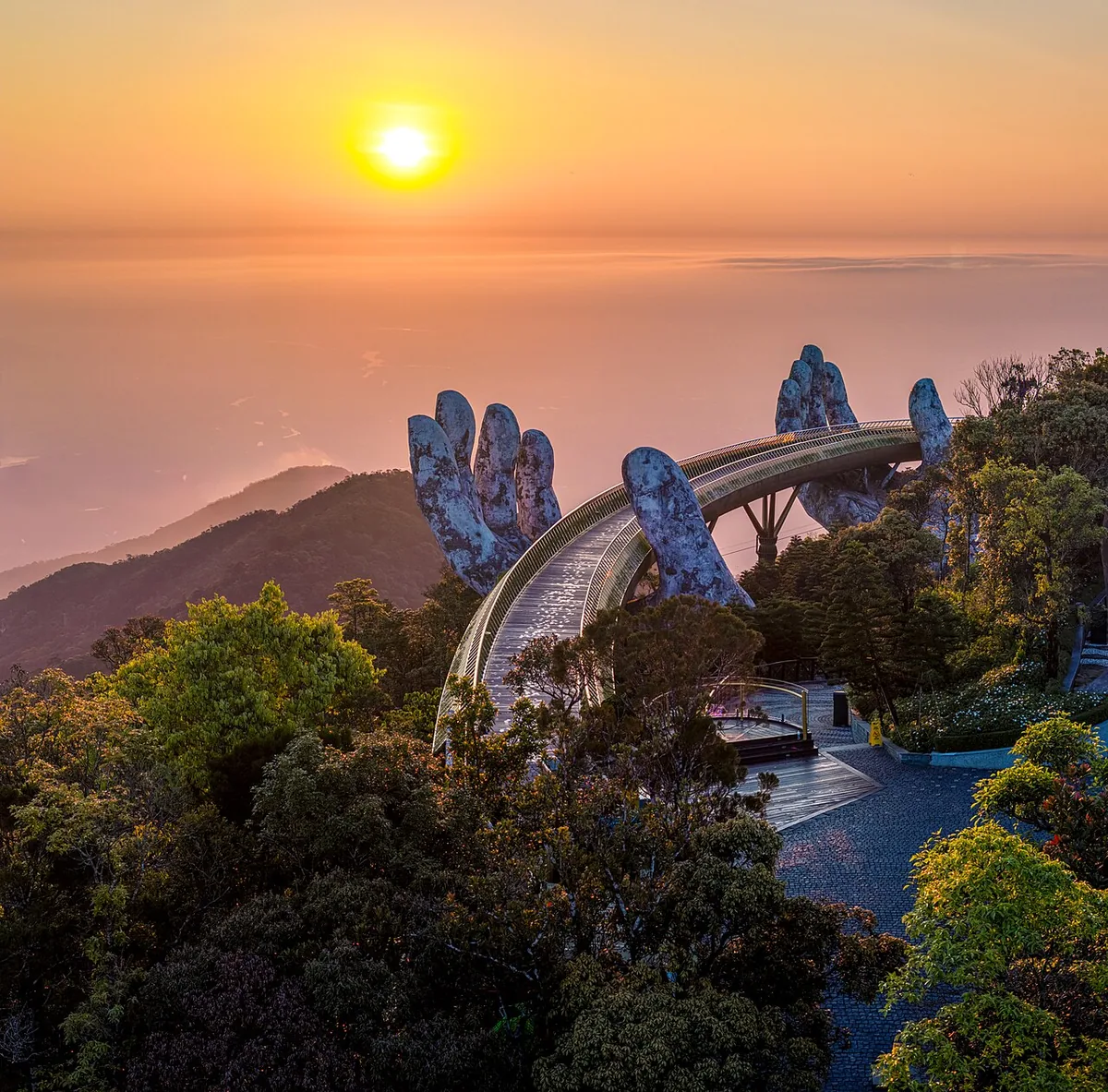
Ba Na Hills is Da Nang’s most iconic attraction — a mountain resort at 1,487 metres reached by the world’s longest single-track cable car (5,801 metres). The Golden Bridge, opened in 2018, is a pedestrian walkway held aloft by two enormous stone hands emerging from the forest — one of the most photographed structures in Southeast Asia. Ba Na Hills also contains the Fantasy Park amusement complex, a French Village, a wax museum, and gardens. A full day here is recommended. See the complete Ba Na Hills Guide for tickets, tips, and the best time to visit.
- Ticket price: 900,000 VND adults ($36) | 700,000 VND children 1–1.4m height ($28)
- Cable car hours: 7:00 AM–10:00 PM daily
- Travel time from Da Nang: 45 min by Grab or taxi
2. My Khe Beach
My Khe Beach is Da Nang’s 30-kilometre stretch of white sand and warm South China Sea water — consistently named among Asia’s finest urban beaches. The beach faces east, making it ideal for morning swimming (offshore winds calm the surface) and sunset watching from the promenade side. The central section near the An Thuong tourist area has beach clubs, sun lounger hire (50,000–100,000 VND), water sports, and seafood restaurants fronting the sand. Lifeguards patrol from March to September; red flags indicate dangerous conditions.
- Entry: Free
- Best section: Between Pham Van Dong Street and the An Thuong area for facilities; quieter stretches north toward Son Tra Peninsula
- Water sports available: Jet skiing, banana boat, parasailing, kayaking (50,000–300,000 VND depending on activity)
3. Marble Mountains (Ngu Hanh Son)
The Marble Mountains are five marble and limestone peaks 9 kilometres south of Da Nang, riddled with cave temples, Buddhist shrines, and wartime tunnels. Thuy Son (Water Mountain) is the must-visit peak: the Huyen Khong Cave — the largest cave on the mountain — has a natural skylight opening in its ceiling that illuminates a massive Buddha statue with shafts of light. Am Phu Cave is a smaller cave depicting Buddhist hell and heaven scenes. Climb to the summit pagoda for ocean views stretching to My Khe Beach. The whole experience is surreal, historically layered, and deeply atmospheric.
- Entry: 40,000 VND ($1.60) | Elevator: extra 15,000 VND each way
- Hours: 7:00 AM–5:30 PM daily
- Allow: 1.5–2.5 hours
- Tip: Bring a torch/phone flashlight for the deeper cave sections where lighting is minimal
4. Dragon Bridge
The Dragon Bridge spans the Han River in the form of a 666-metre steel dragon — Da Nang’s most photographed modern landmark. Built for the 2013 Asia-Pacific Economic Cooperation summit, the bridge carries six lanes of traffic and a footpath. On Saturday and Sunday nights at 9:00 PM, the dragon breathes fire and sprays water in a free 10-minute show. The bridge is illuminated nightly in colour-changing LED sequences. The best viewing positions are from the east bank riverside promenade or from a boat on the Han River.
- Entry: Free
- Fire show: Saturday and Sunday at 9:00 PM
- Best time for photos: Blue hour (30 minutes after sunset)
5. Son Tra Peninsula and Linh Ung Pagoda
Son Tra Peninsula is a forested headland northeast of Da Nang with military-era roads now open to visitors, offering sweeping views over Da Nang Bay, My Khe Beach, and the Marble Mountains. The Linh Ung Pagoda at the peninsula’s tip contains a 67-metre-tall statue of the Goddess of Mercy (Quan Am) — the tallest in Vietnam — visible from much of Da Nang on clear days. The peninsula’s roads are popular with motorbike riders; the route past the Monkey Mountain radar station takes 30–45 minutes and provides some of the finest coastal views in central Vietnam. Entry is free.
6. Hoi An Day Trip (UNESCO World Heritage Site)
Hoi An is Da Nang’s most important day trip — a beautifully preserved 15th–19th century trading port 30 kilometres south, consistently ranked among the world’s most atmospheric heritage towns. The Ancient Town’s Japanese Covered Bridge, Chinese assembly halls, merchant houses, and lantern-lit streets are unlike anywhere else in Vietnam. The 120,000 VND (about $4.80) Ancient Town ticket covers five heritage sites. Go early — by 10:00 AM day-trippers from Danang flood the narrow streets. From Da Nang, Grab costs 200,000–250,000 VND each way (approximately 45 minutes).
7. Hue Day Trip (UNESCO World Heritage Site)
Hue — Vietnam’s former imperial capital — is 90 kilometres north of Da Nang via the spectacular Hai Van Pass coastal road. The Imperial Citadel, Forbidden Purple City ruins, royal mausoleums, and Thien Mu Pagoda represent the most concentrated collection of imperial heritage in Vietnam. A day trip by private car (500,000–800,000 VND) or train (from 70,000 VND one way, 2.5 hours) is manageable from Da Nang. Alternatively, the Hai Van Pass motorbike ride is one of Vietnam’s most scenic coastal drives.
Free Things to Do in Da Nang
Han River Bridges Walk
Da Nang has six distinctive bridges crossing the Han River, each architecturally different. Walking between the Dragon Bridge, Han River Bridge, and Tran Thi Ly Bridge on the riverside promenade takes about 45 minutes and is one of the most pleasant evening activities in the city. The riverside is well-lit, safe, and busy with locals cycling, exercising, and socialising in the evenings.
Da Nang Cathedral
The pink Da Nang Cathedral (Giao xu Chinh toa Da Nang) on Tran Phu Street was built by the French in 1923 and remains an active Catholic parish. Its distinctive pink exterior and rooster weather vane give it the local nickname “Rooster Church.” Free to visit outside of service times; masses are held at 5:00 AM and 5:00 PM daily. The neighbourhood around the cathedral has several good local coffee shops.
Con Market (Cho Con)
Con Market is Da Nang’s largest and most authentic local market — a 1940s covered market building selling fresh produce, street food, clothing, electronics, and household goods. The food hall on the upper floor serves cheap and excellent Vietnamese dishes including mi quang (Da Nang’s turmeric noodle specialty), banh mi, and com ga (chicken rice). Open daily 6:00 AM–7:00 PM; free to browse. Prices here are 30–50% below the tourist-facing shops.
Da Nang Food Guide
| Dish | Description | Where to Try | Price |
|---|---|---|---|
| Mi Quang | Da Nang’s signature yellow turmeric noodles with pork, shrimp, peanuts, and fresh herbs | Mi Quang Ba Mua, Con Market | 30,000–50,000 VND |
| Banh Mi | Vietnamese baguette sandwich — Da Nang’s versions are among Vietnam’s best | Banh Mi Ba Lan, street stalls | 20,000–35,000 VND |
| Banh Xeo | Crispy Vietnamese sizzling crepe with shrimp, pork, and bean sprouts | Banh Xeo Ba Duong | 40,000–70,000 VND |
| Com Ga | Hoi An-style chicken rice with yellow turmeric rice and poached chicken | Com Ga Ba Buoi | 40,000–60,000 VND |
| Grilled Seafood | Fresh clams, prawns, and fish grilled tableside over charcoal | Seafood stalls, My Khe beachfront | 100,000–300,000 VND per dish |
| Bun Cha Ca | Da Nang fish cake noodle soup | Local restaurants, Con Market | 30,000–50,000 VND |
Frequently Asked Questions
What is Da Nang famous for?
Da Nang is famous for My Khe Beach, the Golden Bridge at Ba Na Hills, the Dragon Bridge fire show, the Marble Mountains, and its position as a gateway to Hoi An and Hue. It is also known as one of Vietnam’s most liveable and modern cities, with a rapidly growing food and hospitality scene and a reputation for cleanliness and safety unusual among major Vietnamese cities.

Is Da Nang better than Hoi An for a base?
Da Nang and Hoi An serve different purposes. Da Nang is a modern city with a wider range of accommodation, better infrastructure, lower overall prices, and direct access to the beach and Ba Na Hills. Hoi An is a smaller, more atmospheric heritage town with fewer transport options but more charm and better restaurant variety per square kilometre. Most visitors base themselves in Da Nang and day-trip to Hoi An, which is the most practical arrangement for a 3–5 day visit.
How many days do you need in Da Nang?
Three days covers the essential Da Nang experiences — Ba Na Hills, Hoi An day trip, My Khe Beach, and the Marble Mountains. See our Da Nang 3-Day Itinerary for the complete plan. Five days allows for a Hue day trip and a more relaxed pace.
For the full Ba Na Hills experience, see our dedicated Ba Na Hills Guide. For practical planning, read Da Nang Travel Tips.



One Comment