
Things to Do in Jackson Hole in Winter: Ski, Wildlife & More (2026)
The best things to do in Jackson Hole in winter are: skiing at Jackson Hole Mountain Resort (459 inches average annual snow), sleigh rides through the National Elk Refuge, snowshoeing in Grand Teton, hot springs at Granite Hot Springs, and wildlife watching for elk, bison, and wolves that move down to valley level.
Jackson Hole in winter is one of the premier mountain destinations in North America — and not just for skiers. The valley receives 459 inches of snow annually at the mountain resort, fills with 7,500 wintering elk at the National Elk Refuge, and offers wildlife encounters that summer visitors simply cannot experience. This guide covers all the things to do in Jackson Hole in winter, from world-class terrain to warm soaks and wildlife safaris.

Skiing at Jackson Hole Mountain Resort
Jackson Hole Mountain Resort (JHMR) in Teton Village is the centerpiece of winter in the valley. With 2,500+ acres of skiable terrain, a vertical drop of 4,139 feet (the largest in the US), and an average of 459 inches of snowfall annually, it is consistently ranked among the top 5 ski resorts in America.
The mountain is known for its expert terrain — approximately 50% of runs are rated black diamond or double black diamond. The Couloir, Thunder, and Corbet’s Couloir are among the most challenging runs in North America. But intermediate and beginner terrain exists too: the Après Vous Mountain area (accessed by a separate gondola) is almost entirely blue and green runs, perfect for families.
| Category | Details |
|---|---|
| Skiable acres | 2,500+ |
| Vertical drop | 4,139 feet (largest in continental US) |
| Annual snowfall | 459 inches average |
| Number of runs | 131 named trails |
| Lifts | 13 lifts including the 100-person aerial tram |
| Season | Typically early December through early April |
| Lift ticket price | $200-260/day (peak); $130-180 in advance |
Book lift tickets online well in advance — peak-week tickets (Christmas, New Year, Presidents Week) sell out months ahead. The Mountain Collective and Ikon Pass both include JHMR, which can reduce the cost significantly for frequent skiers.
Snow King Mountain: The Town’s Own Ski Hill
Snow King Mountain is Jackson’s in-town ski resort, right on the edge of downtown — you can walk from the Town Square in 10 minutes. While much smaller than JHMR (400 acres, 1,571-foot vertical drop), it offers night skiing on weekdays, a Cowboy Coaster mountain coaster, an ice rink, and a tubing hill. Day tickets run $75-95, and the vibe is entirely local.
National Elk Refuge Sleigh Rides
The National Elk Refuge sits immediately north of downtown Jackson and winters approximately 7,500 elk from December through March. Horse-drawn sleigh rides depart from the refuge visitor center and travel directly through the elk herd — animals are accustomed to the sleighs and come within feet of passengers.
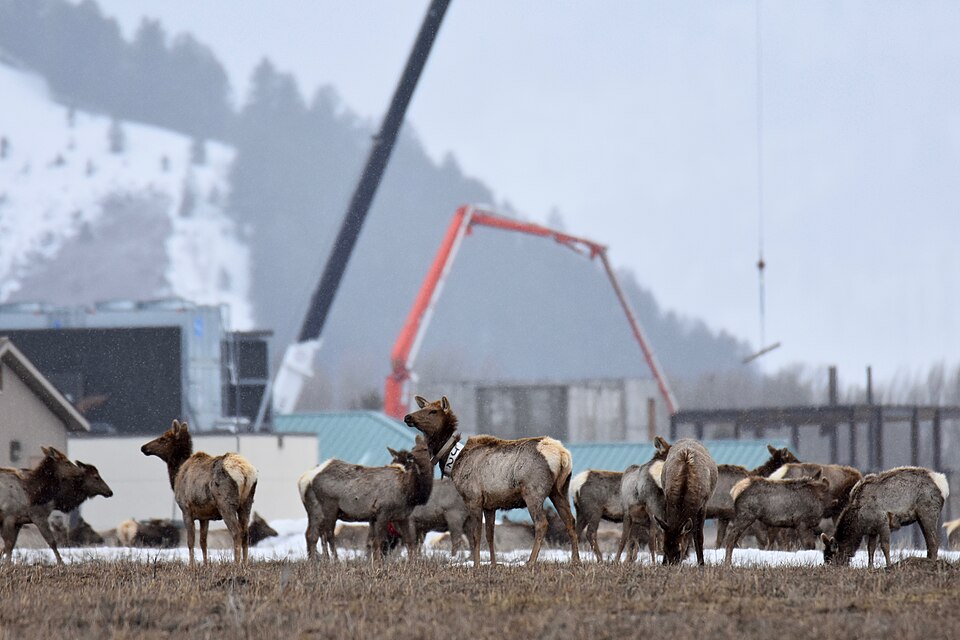
Sleigh rides run daily from late December through March, departing every 20-30 minutes from 10:00 a.m. to 4:00 p.m. Cost: $30 for adults, $20 for children. The 45-minute ride is one of the most memorable wildlife experiences in Wyoming — bull elk carry their antlers through late winter, and you’ll often see bald eagles perched in nearby cottonwood trees.
National Elk Refuge sleigh rides sell out days in advance during peak ski weeks. Book online at recreation.gov as soon as your travel dates are confirmed. If tickets are sold out, show up at the visitor center for possible last-minute cancellations.
Snowshoeing in Grand Teton National Park
Grand Teton National Park is open year-round and offers exceptional snowshoeing in winter. Teton Park Road closes to vehicles from November to early May but opens as a groomed cross-country ski and snowshoe trail from the Taggart Lake Trailhead to Signal Mountain — roughly 15 miles each way. You’ll share the road with moose, bison, and coyotes and have the Tetons almost entirely to yourself.
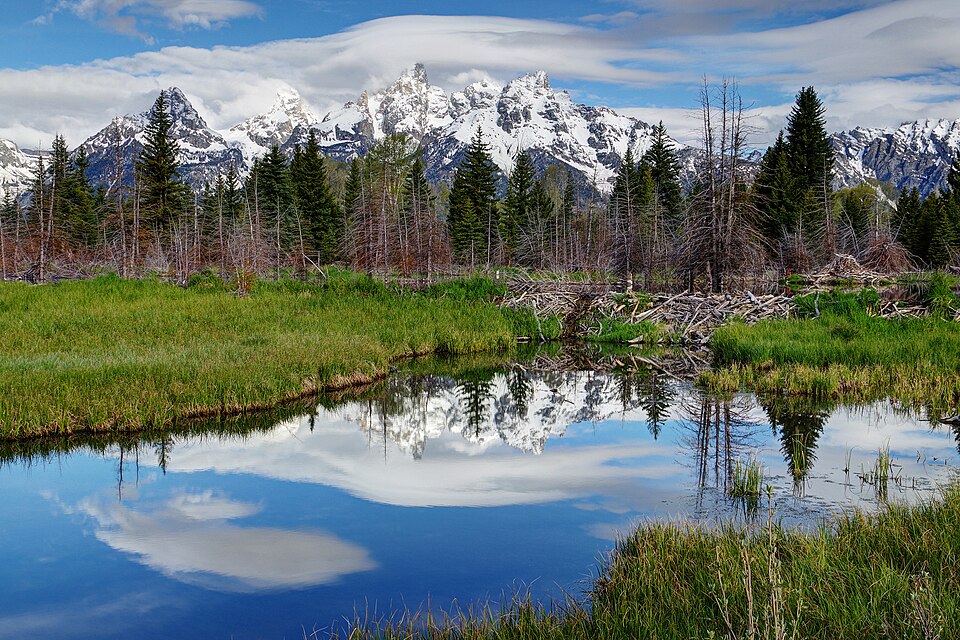
Ranger-led snowshoe walks depart from the Craig Thomas Discovery and Visitor Center in Moose on weekends from late December through mid-March. Snowshoes are provided free on a first-come basis. The 2-mile guided walk takes 2 hours and covers winter ecology, wildlife tracking, and Teton geology.
Hot Springs at Granite Hot Springs
Granite Hot Springs is a developed outdoor pool maintained at 93-102 degrees F by the Bridger-Teton National Forest, 10 miles down a groomed snowmobile and ski trail from US-189/191, about 35 miles south of Jackson. In winter it is accessible only by snowmobile ($150-200 half-day rental from Jackson), cross-country skis, or snowshoes on the 10-mile trail.
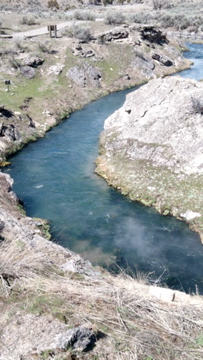
The pool is 30 by 60 feet and completely natural, fed by geothermal springs. Entry costs $8 for adults. Open daily 10:00 a.m. to 5:00 p.m. in winter. Changing rooms and outhouses are available but no showers — bring a towel and warm layers to change into after soaking.
Wildlife Watching in Winter: An Underrated Experience
Winter is arguably the best season for wildlife viewing in Jackson Hole. With no foliage for animals to hide in, bison and elk are visible from main roads. Wolves from the Snake River Pack frequently hunt the valley floor. The National Elk Refuge concentrates thousands of animals in a small area. And with far fewer visitors than summer, you often have prime viewing spots entirely to yourself.
- Elk: National Elk Refuge (December-March), visible from the refuge visitor center parking lot
- Bison: Lower Gros Ventre River Road, US-26/89/191 north of Jackson toward Moran
- Wolves: Lamar Valley in Yellowstone is 90 miles north but worth the drive for wolf sightings
- Moose: Willow Flats Overlook near Jackson Lake Junction, accessible in winter by snowshoe
- Bald Eagles: National Elk Refuge cottonwood trees, especially January-February
- Coyotes: Commonly seen hunting voles in the valley snow fields

Cross-Country Skiing and Fat Biking
Teton Park Road within Grand Teton National Park is groomed for classic and skate skiing from December through March, with 22 miles of prepared surface between Taggart Lake and Signal Mountain. No fee beyond the park entry pass. The Cache Creek Trail system east of Jackson town offers 7 miles of groomed cross-country skiing free of charge.
Fat biking on snow has become a major Jackson Hole winter activity. Cache Creek and Snow King Mountain have fat-bike-specific trails. Rentals are available from Teton Mountain Bike Tours in Jackson ($60-70/day).
Jackson Hole Winter Travel Tips
| Tip | Details |
|---|---|
| Best months | December-March for skiing; December-February for elk sleigh rides |
| Temperature | Average high 25-35 F; overnight lows can reach -20 F |
| Driving | All-wheel drive or 4WD recommended; carry chains for Teton Pass |
| Clothing | Wool base layers, waterproof shell, insulated boots essential |
| Altitude | 6,237 ft valley floor — acclimatize before hard skiing |
| Crowds | Christmas week and Presidents Week are the busiest (book 6+ months ahead) |
See our guide to the best places to stay in Jackson Hole for winter-specific recommendations including ski-in/ski-out options at Teton Village and budget alternatives. For the full picture of what the valley offers year-round, read our Jackson Hole travel guide.
Frequently Asked Questions
Is Jackson Hole worth visiting in winter?
Yes, absolutely. Winter is one of the best times to visit Jackson Hole. You get world-class skiing, uncrowded wildlife viewing, and unique experiences like elk sleigh rides that are not available in summer. Prices for lodging are high during ski season but match the quality of the experience.
How cold does Jackson Hole get in winter?
Jackson Hole averages highs of 25-35 degrees F in December through February, with overnight lows regularly reaching -5 to -20 degrees F. January is typically the coldest month. The dry high-altitude air makes it feel less cold than those numbers suggest, and sunny days with temperatures in the 30s are common even in January.
Do you need a car to ski at Jackson Hole Mountain Resort?
Not necessarily. The START Bus runs between downtown Jackson and Teton Village every hour from 7:00 a.m. to 11:00 p.m. for $4 each way. If you’re staying in Teton Village, you can walk to the lifts. If you’re staying downtown, the bus is a convenient car-free option for ski days.
Plan Your Visit: Official Resources
Buy lift tickets for Jackson Hole Mountain Resort and check current snow conditions at JacksonHole.com. Book National Elk Refuge sleigh rides through Recreation.gov National Elk Refuge sleigh rides.


3 Comments