
Jackson Hole Itinerary: 3 Days in Grand Teton & Beyond (2026)
A perfect 3-day Jackson Hole itinerary covers Grand Teton National Park on Day 1, Snake River wildlife and Schwabacher Landing on Day 2, and the Jackson town square plus optional Yellowstone preview on Day 3. Budget $150-250/day for lodging and activities.
Three days in Jackson Hole gives you enough time to explore Grand Teton National Park, watch wildlife at dawn, hike into Cascade Canyon, and still experience the lively mountain town of Jackson. This 3-day Jackson Hole itinerary is designed to maximize your time whether you visit in summer or fall.
Jackson Hole is a high mountain valley in northwestern Wyoming surrounded by the Teton Range to the west and the Gros Ventre Range to the east. The valley floor sits at 6,237 feet elevation, meaning cool mornings even in July and the chance of snow in September. Plan layers regardless of season.

Day 1: Grand Teton National Park Highlights
Start Day 1 at Schwabacher Landing, just 4.8 miles north of Moose Junction off US-26/89. Arrive by 7:00 a.m. for the famous Teton reflection in the still beaver ponds. Bison, moose, and river otters frequent this stretch of the Snake River at dawn.
After Schwabacher, drive north to the Jenny Lake area. Take the Jenny Lake Shuttle (runs June-September, $18 round trip) across the lake to the west shore trailhead, then hike 1.8 miles up to Hidden Falls and another 0.5 miles to Inspiration Point for a sweeping view of the valley. Total hiking: 4-5 miles round trip if you take the shuttle both ways, 7.8 miles if you walk the full loop.

Spend your afternoon at the Signal Mountain Summit Road (5.5-mile drive off Teton Park Road), which gives a panoramic bird’s-eye view of the entire Jackson Hole valley. On clear days you can see the Absaroka Range 50 miles east. The drive takes 15 minutes each way.
For dinner, the town of Jackson is 12 miles south of Jackson Lake Junction. The Million Dollar Cowboy Bar on the town square is an iconic Jackson institution open since 1937. For food, Snake River Grill serves Idaho trout and Wyoming beef with mountain views.
Day 2: Wildlife Safari and Snake River Float
Wildlife is most active at dawn and dusk. Set an alarm for 6:00 a.m. and drive to Oxbow Bend, one mile east of Jackson Lake Junction. This quiet oxbow of the Snake River is a magnet for moose, trumpeter swans, great blue herons, bald eagles, and osprey. Bring binoculars.

After Oxbow Bend, head to Colter Bay Visitor Center on Jackson Lake for the 2-mile Colter Bay Loop trail. The lake views extend 15 miles across to the Teton peaks. Kayak and canoe rentals are available at the Colter Bay Marina from late May through mid-September ($25-30/hour).
Spend your afternoon on a guided Snake River float trip. Most operators depart from the Moose boat launch, 9 miles north of Jackson. The 10-mile scenic float takes 3-4 hours and passes through prime moose and osprey habitat. Cost: $60-80/person. Operators include Grand Teton Lodge Company and Barker-Ewing River Trips.

That evening, drive to the Gros Ventre Road for sunset wildlife watching. This less-visited valley east of Jackson is excellent for pronghorn, elk, and mule deer. The Kelly Warm Spring near Gros Ventre Junction is free and popular with locals for a quick soak.
Day 3: Cascade Canyon Hike and Jackson Town Square
Day 3 is for a serious hike. Return to Jenny Lake and take the shuttle to the Cascade Canyon Trailhead. The canyon hike climbs gently through old-growth forest alongside a rushing creek. Hike 4 miles in to reach the canyon’s braided glacier streams — or push to 9 miles to reach Hurricane Pass with views into Idaho’s Jedediah Smith Wilderness.

After hiking, drive the 12 miles south to Jackson town. The central Town Square features four archways made entirely of naturally shed elk antlers collected from the National Elk Refuge each spring. Street performers play on summer evenings. Browse galleries on Cache Street or stop at the National Museum of Wildlife Art on the north edge of town.
Use your final afternoon for the National Elk Refuge Visitor Center, where you can learn about the 7,500 elk that winter in the refuge each year. From late December through March, horse-drawn sleigh rides travel through the wintering elk herd ($30/adult).
Jackson Hole Itinerary: Practical Tips
| Detail | Info |
|---|---|
| Park entry fee | $35/vehicle (7-day pass covers both GTNP and Yellowstone) |
| Best time to visit | June-September (hiking), December-March (skiing) |
| Airport | Jackson Hole Airport (JAC) — 8 miles north of Jackson |
| Car rental | Essential — no reliable public transit within the park |
| Altitude | Valley floor 6,237 ft — drink extra water, use sunscreen |
| Cell service | Limited inside the park — download offline maps before arriving |
For a longer trip, add a Yellowstone day trip from Jackson on Day 4, which takes you north through the park to see Old Faithful, Grand Prismatic Spring, and the Grand Canyon of the Yellowstone in a single long day.
If you visit in winter, the things to do in Jackson Hole in winter are just as spectacular: world-class skiing at Jackson Hole Mountain Resort, elk sleigh rides, and snowshoeing through snow-covered Grand Teton. See our guide to the best places to stay in Jackson Hole to choose between Teton Village and downtown Jackson.
How Many Days Do You Need in Jackson Hole?
3 days is the minimum to cover Grand Teton’s highlights and the Jackson town experience. Add a 4th day for a Yellowstone day trip or a 5th day for rafting and the Tetons’ backcountry. A full week lets you combine Jackson Hole with Grand Teton lodge stays and a multi-day Yellowstone loop.
- 3 days: Grand Teton highlights, wildlife at Oxbow Bend, Snake River float, Jackson town
- 4 days: Add a Yellowstone day trip (Old Faithful, Grand Prismatic, Grand Canyon)
- 5 days: Add backcountry hiking (Paintbrush-Cascade loop) or a lake kayaking day
- 7+ days: Combine with a multi-day Yellowstone loop or drive to Cody via Chief Joseph Scenic Byway
Frequently Asked Questions
Is 3 days enough for Jackson Hole?
Yes — 3 days covers the essential Grand Teton highlights: Jenny Lake, Cascade Canyon, Oxbow Bend wildlife, a Snake River float, and the Jackson town square. You won’t have time for a full Yellowstone loop, but a single long day is doable as a side trip.
What is the best time of year to visit Jackson Hole?
June through September is peak season for hiking and wildlife viewing, with wildflowers in July and elk rut bugling in September. December through March is ski season with 459 inches of average annual snowfall at Jackson Hole Mountain Resort. Avoid late October and early November — many park services close and weather is unpredictable.
Do you need a car in Jackson Hole?
Yes, a car is essential. Grand Teton National Park has no internal shuttle system (the Jenny Lake shuttle runs boat service only). The START Bus runs between Teton Village and Jackson town, but getting around the park requires your own vehicle.
What wildlife can you see in Jackson Hole?
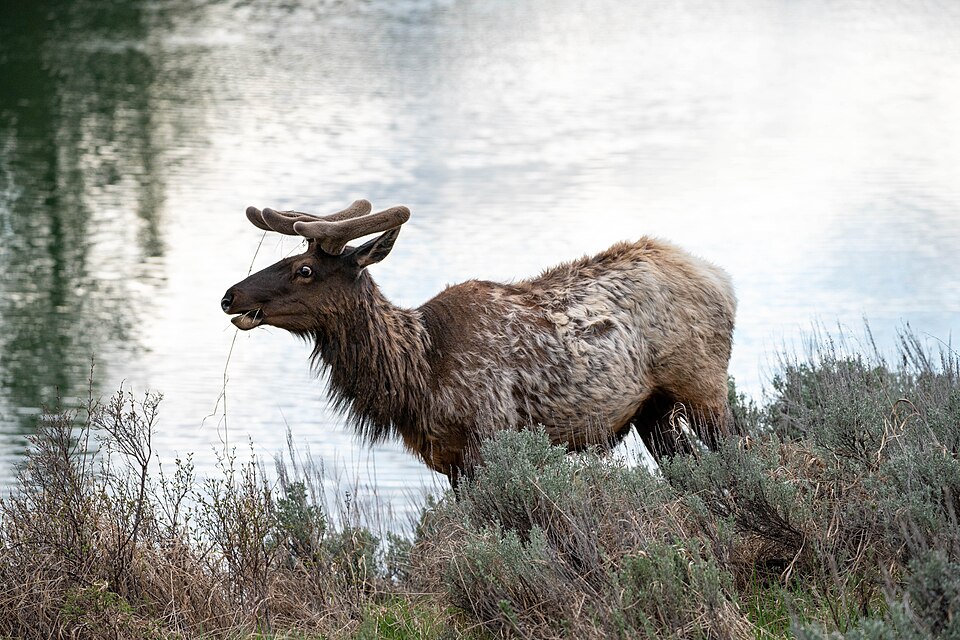
Jackson Hole has one of the highest wildlife densities in the lower 48 states. Common sightings include bison (year-round), elk (especially fall and winter), moose (most reliably at Oxbow Bend and Willow Flats), pronghorn (Antelope Flats Road), black bears and grizzly bears (spring through fall), and gray wolves (Lamar Valley in Yellowstone is best).
Plan Your Visit: Official Resources
Book Snake River float trips and guided activities through Grand Teton Lodge Company (gtlc.com). For current Grand Teton park conditions and road status visit the NPS Grand Teton conditions page.


4 Comments