
Gatlinburg Travel Guide: Everything You Need to Know (2026)
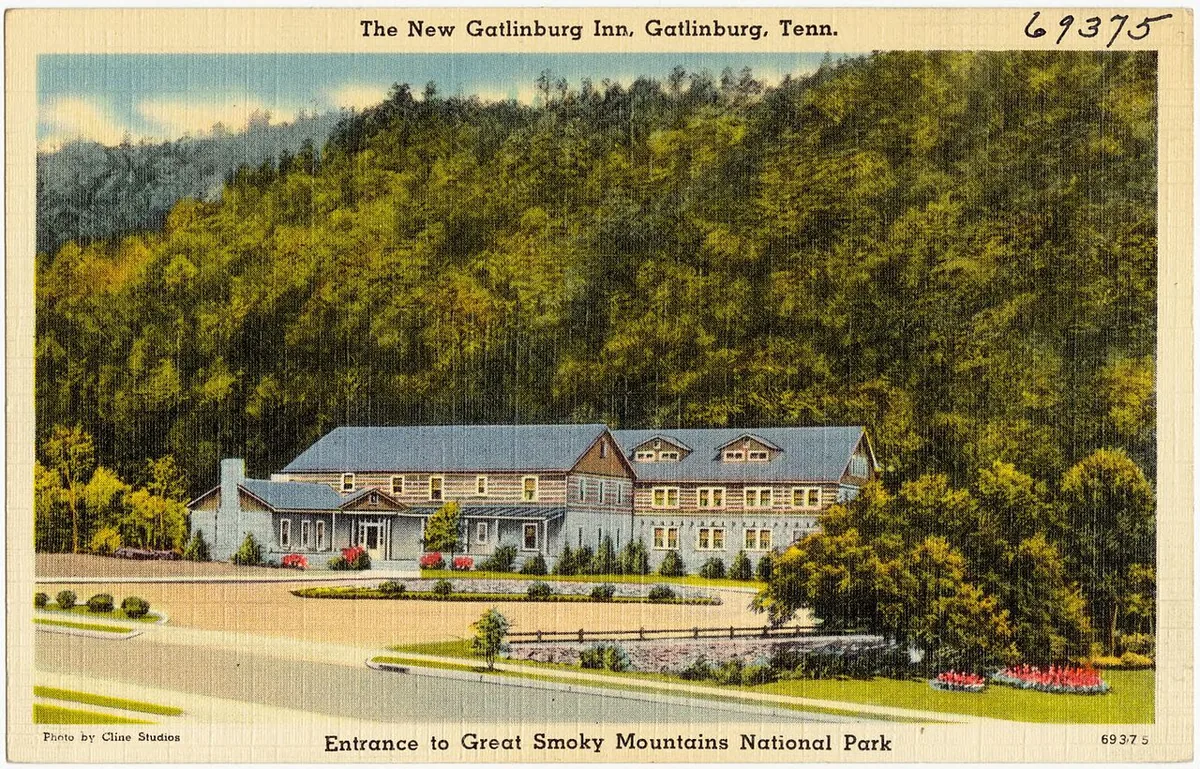
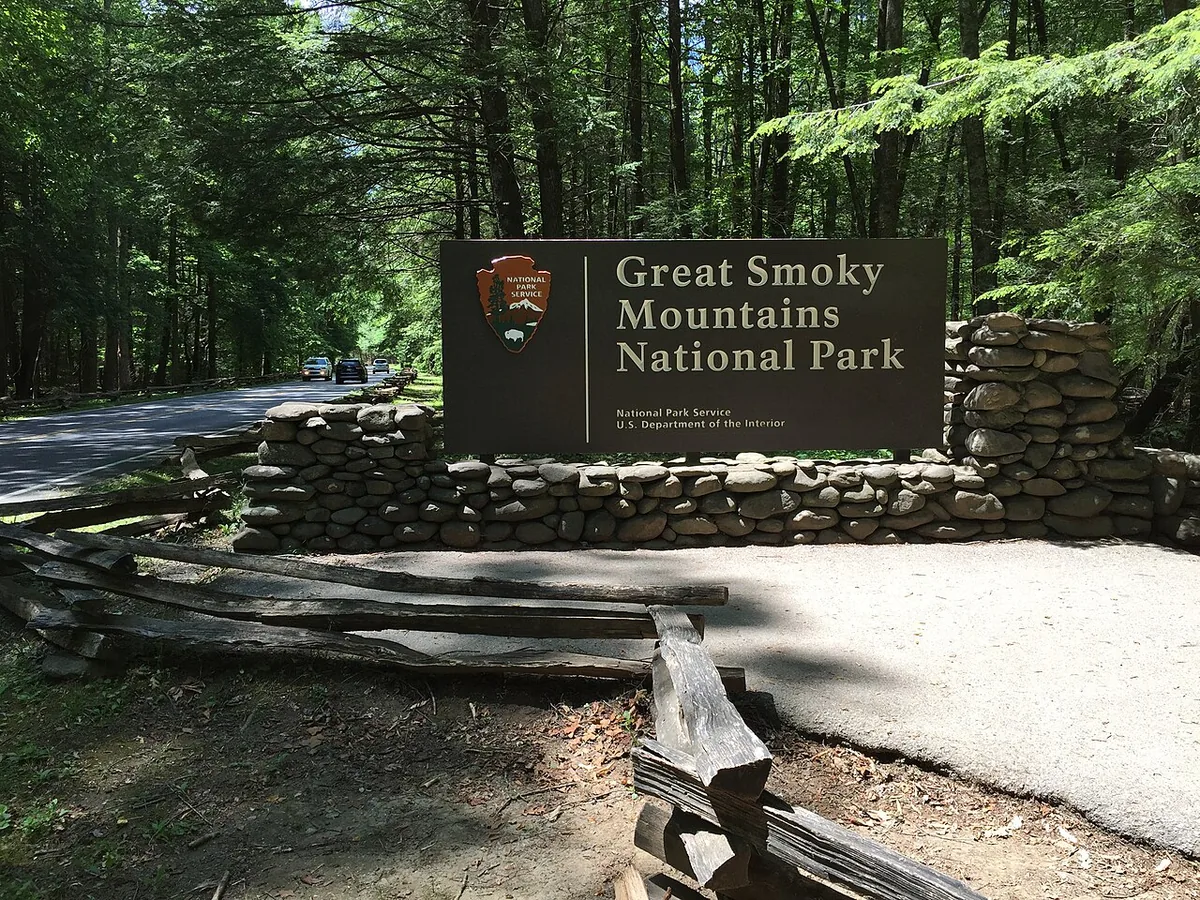
Gatlinburg, Tennessee is a mountain resort city of approximately 4,000 permanent residents at the northern entrance to Great Smoky Mountains National Park in Sevier County — the gateway to America’s most visited national park, which draws over 12.5 million visitors annually. The city sits at 1,289 feet elevation along the West Prong Little Pigeon River, with the national park’s old-growth forest beginning at the city’s southern edge and the commercialized Downtown Strip (locally called “the Parkway”) running through its center. Despite its small population, Gatlinburg operates at a scale far beyond its size: over 11 million people visit the city each year, making it one of the most visited small cities in the United States. This guide covers everything you need to plan a trip to Gatlinburg in 2026.
Once you’ve read this overview, plan your activities with Best Things to Do in Gatlinburg, structure your days with our Weekend in Gatlinburg Itinerary, find accommodation in Where to Stay in Gatlinburg, and plan a romantic escape with our Gatlinburg Couples Trip guide.
Why Visit Gatlinburg?
Gatlinburg’s appeal is straightforward: it is the most accessible entry point to Great Smoky Mountains National Park — the most visited national park in the United States and one of the most biodiverse temperate forests on Earth — paired with a dense concentration of mountain adventure activities, cabin rentals, and an atmospheric downtown that operates year-round. The park is free to enter, which makes the overall trip cost significantly lower than comparable national park gateway towns like Moab (Arches) or Jackson Hole (Grand Teton), where park fees, lodging costs, and restaurant prices run substantially higher.
Best Time to Visit Gatlinburg
| Season | Temp Range | Conditions | Crowds | Best For |
|---|---|---|---|---|
| Spring (Mar–May) | 38–72°F | Wildflowers, occasional rain, clear days | Moderate | Wildflower hiking, waterfalls, lower prices |
| Summer (Jun–Aug) | 62–88°F | Hot and humid, afternoon thunderstorms, full foliage | Peak | Water activities, full park access, family trips |
| Fall (Sep–Nov) | 35–75°F | Spectacular foliage (Oct), crisp air, clear skies | Peak (Oct), moderate (Sep/Nov) | Foliage, hiking, couples trips |
| Winter (Dec–Feb) | 22–50°F | Cold, occasional snow, magical frost-covered trees | Low | Skiing, cozy cabins, off-peak prices, quieter trails |
Best overall months: Late September through early October offers peak fall color on the lower slopes without the extreme foliage-peak crowds of mid-October. April and May bring wildflower blooms across the park — over 1,500 species of flowering plants bloom in sequence from valley floors to mountain summits.

How to Get to Gatlinburg
By Car
Virtually all visitors arrive by car. Gatlinburg lies at the end of US-441 South from Sevierville, and US-321 East from Maryville. Key driving distances:
- Knoxville, TN: 45 miles west on I-40 and US-66 — approximately 1 hour
- Nashville, TN: 193 miles east on I-40 — approximately 3 hours
- Charlotte, NC: 189 miles northwest on I-40 and US-74 — approximately 3 hours
- Atlanta, GA: 186 miles northeast on I-75 and US-441 — approximately 3 hours
- Washington, DC: 572 miles south on I-81 and I-40 — approximately 8.5 hours
By Air
The nearest major airport is McGhee Tyson Airport (TYS) in Knoxville, 45 miles from Gatlinburg — about a 1-hour drive. Served by American, Delta, United, and Southwest with direct flights from most major US cities. Car rental is essential from the airport. Alternatively, Charlotte Douglas International (CLT) and Atlanta Hartsfield-Jackson (ATL) serve as alternative arrival points with a 3-hour drive.
Getting Around Gatlinburg
A car is essential for national park access, cabin rentals, and reaching Pigeon Forge and Dollywood. The Downtown Strip (Parkway) is walkable — most of the main attractions from traffic light 1 through traffic light 10 can be covered on foot in 30 minutes. The Gatlinburg Trolley runs throughout the city and into the national park for $2/day unlimited rides (exact change or tokens) — the best option for reaching the park entrance and moving along the congested Strip without driving.
Parking: Downtown surface lots charge $10–$25/day. The Welcome Center on US-441 North offers free parking with trolley connection to downtown. During peak season, using the Welcome Center lot and trolleying in eliminates the frustrating 30-minute crawl through downtown traffic for a parking space.
What to Eat in Gatlinburg
Best Restaurants in Gatlinburg
- The Peddler Steakhouse (820 River Rd) — Gatlinburg’s best restaurant. Aged hand-cut beef over a mountain creek. Reservations essential. Budget $50–$70 per person.
- The Greenbrier Restaurant (370 Newman Rd) — Quiet, elegant dining away from the Strip. Known for filet and lobster. $45–$65 per person.
- Ole Red Gatlinburg (511 Parkway) — Blake Shelton’s high-energy restaurant and bar with live country music. Tennessee comfort food. $20–$35 per person.
- Crockett’s Breakfast Camp (1103 Parkway) — The best breakfast in Gatlinburg, in a rustic cabin-style building. Expect a 30–45 minute wait on weekends.
- Pancake Pantry (628 Parkway) — Gatlinburg institution since 1960. Over 20 pancake varieties. Long lines are part of the experience.
Gatlinburg Fast Facts
| Category | Detail |
|---|---|
| Location | Sevier County, Tennessee, USA |
| Elevation | 1,289 feet (393 m) |
| Population | ~4,000 (permanent residents) |
| Annual visitors | ~11 million |
| National park | Great Smoky Mountains NP (free entry) |
| Nearest city | Knoxville, TN (45 miles, 1 hr) |
| Distance to Pigeon Forge | 5 miles north (10 min) |
| Distance to Dollywood | 8 miles north in Pigeon Forge |
| Time zone | Eastern Time (ET) |
| Peak foliage season | Mid-October through early November |
Gatlinburg Travel Tips
- Traffic: The Parkway through downtown is notorious for gridlock on summer and fall weekends. Add 30–60 minutes to any driving estimate for peak-season evenings. Use the Gatlinburg Trolley to avoid driving on the Strip entirely.
- National park hiking: Popular trailhead parking lots fill by 8–9 a.m. from June through October. Use the park’s free shuttle system (May–October) from the Gatlinburg Welcome Center to reach Laurel Falls, Alum Cave, and other main trailheads without dealing with parking.
- Weather in the park: Mountain weather changes rapidly. What starts as a warm morning can become a thunderstorm by 2 p.m. in summer. Carry a rain layer and check the NPS Gatlinburg weather forecast before heading into the backcountry.
- 2016 Chimney Tops Wildfire: The November 2016 wildfire that killed 14 people and destroyed over 2,400 structures in the Gatlinburg area reshaped some neighborhoods. Recovery is largely complete, but some cabin areas still show evidence of the fire. The Chimney Tops trail (one of the park’s most popular) remains closed due to fire damage.
- Bear safety: The Smokies have an estimated 1,900 black bears — one of the highest densities in the eastern US. Store food in bear-proof containers or vehicle trunks, never leave food in tents, and maintain a 50-yard distance from any bear you see. Do not feed wildlife.
Frequently Asked Questions
Is Gatlinburg worth visiting?
Yes. The combination of free national park access, a dense cabin rental market, mountain adventure attractions, and a year-round downtown makes Gatlinburg one of the best-value mountain destinations in the eastern United States. Visitors who focus on the national park rather than only the Strip consistently rate it as a highlight of their American travels.
Is Gatlinburg expensive?
Moderately. Great Smoky Mountains National Park is free to enter — a significant advantage over other major US national parks. Hotels run $80–$300/night; one-bedroom cabins run $150–$275/night. Dining ranges from $15 (pancake houses) to $65 (The Peddler). A couple spending 3 nights should budget $800–$1,500 total including accommodation, dining, and attractions.

What is Gatlinburg known for?
Gatlinburg is known as the gateway to Great Smoky Mountains National Park, its mountain cabin rental culture (particularly for honeymooners and couples), the Downtown Strip with moonshine distilleries, Ober Gatlinburg ski resort, and SkyLift Park’s pedestrian suspension bridge. It is consistently ranked among the top romantic getaway destinations in the Southeast.
How many days do you need in Gatlinburg?
Two days is sufficient for the main city attractions and one national park hiking day. Three to four days allows for Dollywood in Pigeon Forge, multiple park hikes, white-water rafting, and the Arts and Crafts Community loop. Most visitors stay 2–4 nights.
Plan your perfect Gatlinburg trip with our full guides: Best Things to Do in Gatlinburg, Weekend in Gatlinburg Itinerary, Where to Stay in Gatlinburg, and Gatlinburg Couples Trip guide.




3 Comments