

Flagstaff Travel Guide: Everything You Need to Know (2026)
Flagstaff, Arizona is a mountain city at 6,909 feet elevation in northern Arizona — the highest-elevation city in the United States with a population over 75,000. It sits at the junction of Interstate 40 and Interstate 17, 146 miles north of Phoenix, 80 miles south of the Grand Canyon South Rim, and 28 miles north of Sedona. The city of approximately 76,000 residents combines a historic Route 66 downtown, Northern Arizona University, the world’s first International Dark Sky City designation, a volcanic landscape, and access to the Southwest’s most spectacular day trips in one unusually compact package. This guide covers everything you need to plan a trip to Flagstaff in 2026.
Once you’ve read this overview, dive into the specifics: Best Things to Do in Flagstaff, Where to Stay in Flagstaff, 2-Day Flagstaff Itinerary, and Day Trips from Flagstaff.
Why Visit Flagstaff?
Flagstaff occupies an unusual position in American travel: it’s both a destination in its own right and the best base for exploring the Colorado Plateau. The city sits in the world’s largest contiguous ponderosa pine forest, at the foot of the San Francisco Peaks (Arizona’s highest mountain range), and at the crossroads of historic Route 66, the ancient Sinagua cliff dwelling sites, and the volcanic San Francisco Volcanic Field. It receives fewer tourists than neighboring Sedona while offering equal scenic quality and a livelier, more authentic urban environment.
Key reasons travelers choose Flagstaff:

- 80 miles from the Grand Canyon South Rim — the best affordable base for Grand Canyon visitors
- International Dark Sky City designation since 2001 — among the best stargazing in the continental US
- Summer temperatures 25–30°F cooler than Phoenix — the primary summer escape for Arizona lowlanders
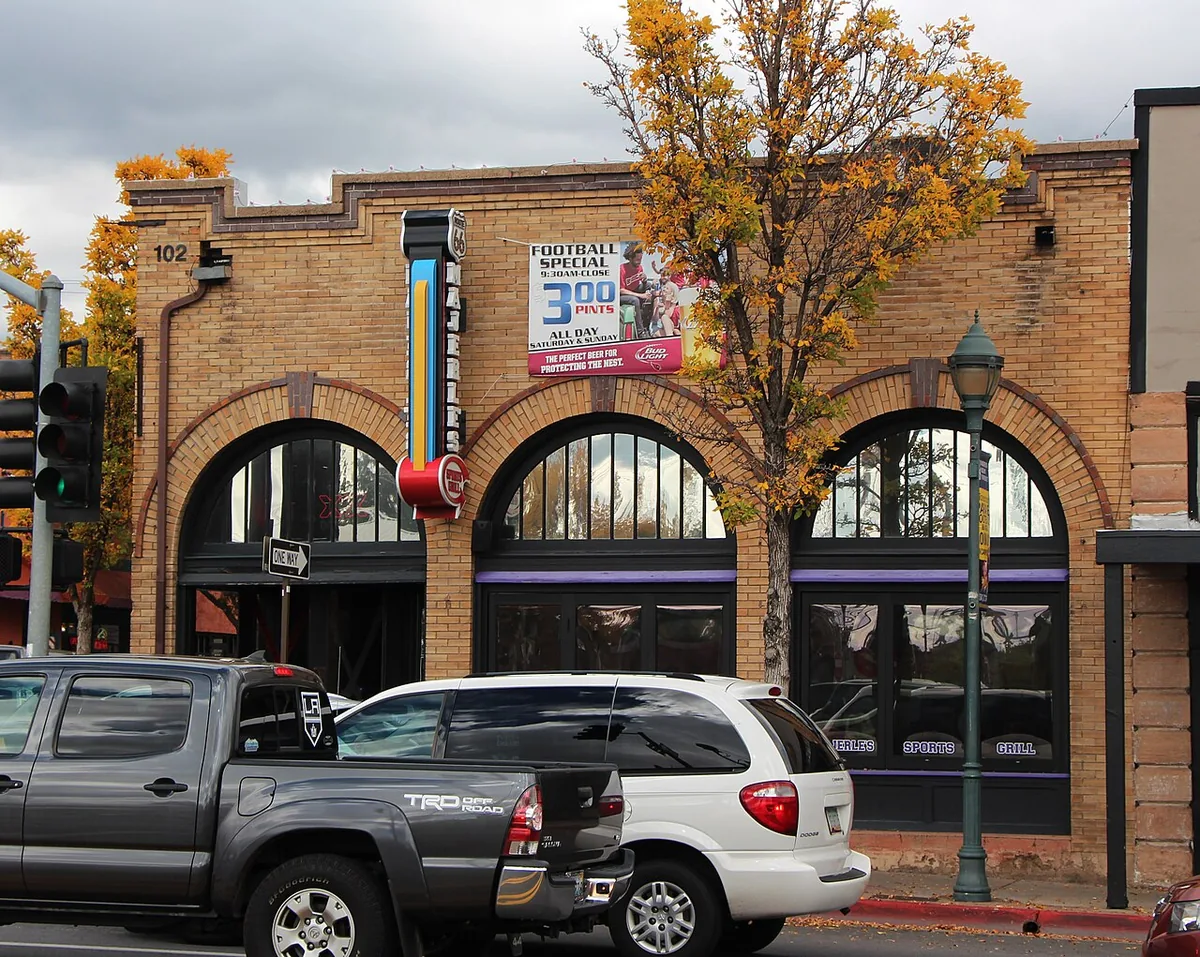
- Historic downtown on original Route 66 with the highest concentration of independent restaurants per capita in Arizona
- Lowell Observatory, where Pluto was discovered in 1930
- Skiing at Arizona Snowbowl from December through March
Best Time to Visit Flagstaff
| Season | Temp Range | Conditions | Crowds | Best For |
|---|---|---|---|---|
| Spring (Mar–May) | 35–68°F | Cool, occasional snow through April | Low–moderate | Hiking, wildflowers, lower prices |
| Summer (Jun–Aug) | 55–82°F | Warm days, afternoon monsoon storms, cool nights | Peak | Grand Canyon, outdoor activities, escape from Phoenix heat |
| Fall (Sep–Nov) | 35–72°F | Clear skies, aspens turn gold in October, ideal temperatures | Moderate | Best overall conditions, foliage, hiking |
| Winter (Dec–Feb) | 14–45°F | Snow, skiing, frozen landscapes | Low | Skiing, cozy downtown, off-peak prices |
Best overall months: May, September, and October offer the most reliable weather, manageable crowds, and the full range of outdoor activities. October is particularly spectacular when the aspen groves on the San Francisco Peaks turn gold.
How to Get to Flagstaff
By Car
The vast majority of visitors arrive by car. Flagstaff sits at the intersection of I-40 (east-west) and I-17 (north-south from Phoenix). Key driving distances:
- Phoenix: 146 miles north via I-17 — approximately 2 hours
- Las Vegas: 254 miles southeast via US-93 and I-40 — approximately 3.5 hours
- Los Angeles: 466 miles east via I-40 — approximately 6.5 hours
- Albuquerque: 324 miles west via I-40 — approximately 4.5 hours
- Grand Canyon South Rim: 80 miles north via US-180 — approximately 1.5 hours
By Train
Amtrak’s Southwest Chief stops at Flagstaff’s historic 1926 train depot once daily in each direction — westbound to Los Angeles (8 hours) and eastbound to Chicago (24 hours). The Flagstaff station sits one block from downtown Heritage Square. This is a scenic and practical option for visitors from Los Angeles or Chicago who don’t want to fly or drive.
By Air
Flagstaff Pulliam Airport (FLG) is a small regional airport 3 miles south of downtown with service to Phoenix Sky Harbor (American Eagle). Most travelers flying in use Phoenix Sky Harbor (PHX) instead — a 2-hour drive north. Shuttle services connect PHX to Flagstaff for approximately $55 one-way.

Getting Around Flagstaff
A car is essential for day trips to the Grand Canyon, Sedona, Antelope Canyon, and Monument Valley. The downtown core — Heritage Square, the Southside neighborhood, and the NAU campus — is walkable. The Mountain Line bus system serves NAU, downtown, and the east side corridors but runs infrequently and isn’t suited to tourist schedules. Uber and Lyft both operate in Flagstaff but wait times can be long outside of peak evening hours.
What to Eat and Drink in Flagstaff
Flagstaff’s food scene punches above its size. The university population and tourist mix support a diverse range of independent restaurants concentrated in a walkable downtown area.
Best Restaurants in Flagstaff
- Tinderbox Kitchen — Creative American small plates, best dinner restaurant downtown. San Francisco St. Budget $35–$50.
- Brix Restaurant and Wine Bar — Flagstaff’s finest dining, with a seasonal menu and excellent natural wine list. San Francisco St. Budget $50–$70.
- Pizzicletta — Neapolitan-style wood-fired pizza in a small, excellent space on Humphreys St. Arrive early — they sell out. Budget $20–$30.
- Macy’s European Coffee House — Flagstaff’s oldest coffeehouse, open since 1981. Best breakfast and coffee downtown. Beaver St.
- Diablo Burger — Local Arizona beef burgers on Heritage Square. Budget $15–$20. A Flagstaff institution.
Best Craft Breweries in Flagstaff
- Flagstaff Brewing Company — Arizona’s oldest brewpub (est. 1994). E Route 66.
- Lumberyard Brewing — Best taproom atmosphere, inside a former lumber warehouse. San Francisco St.
- Mother Road Brewing — Named for Route 66, known for Tower Station IPA. E Route 66.
- Beaver Street Brewery — Reliable food alongside solid house beers. Beaver St.
Flagstaff Fast Facts
| Category | Detail |
|---|---|
| Elevation | 6,909 feet (2,106 m) |
| Population | ~76,000 (2024 estimate) |
| State | Arizona, USA |
| Average summer high | 82°F (28°C) |
| Average winter low | 14°F (-10°C) |
| Annual snowfall | ~100 inches |
| Distance to Grand Canyon | 80 miles (1.5 hrs) |
| Distance to Sedona | 28 miles (45 min) |
| Time zone | Mountain Standard Time (no DST in Arizona) |
| Dark sky status | World’s first International Dark Sky City (2001) |
Flagstaff Travel Tips
- No Daylight Saving Time: Arizona (outside the Navajo Nation) does not observe DST. During summer, Flagstaff runs on MST, which is the same as PDT (Pacific Daylight Time). Factor this in when coordinating with travelers from other time zones.
- Altitude sickness: At nearly 7,000 feet, some visitors experience mild altitude sickness — headaches, fatigue, shortness of breath — especially in the first 24 hours. Stay hydrated, avoid alcohol your first evening, and rest if needed.
- Sun intensity: High elevation means stronger UV radiation. Wear SPF 30+ even on overcast days.
- Wildfire smoke: Arizona’s summer wildfire season (May–July) can produce smoke that significantly reduces visibility and air quality. Check the AirNow app before planning outdoor activities.
- Water: Flagstaff tap water is safe but comes from snowmelt and can taste slightly mineral-heavy. Bottled or filtered water is fine but not required.
Frequently Asked Questions
Is Flagstaff worth visiting?
Yes. Flagstaff offers a rare combination of a genuine historic downtown, world-class stargazing, volcanic and forest landscapes, and proximity to the Grand Canyon, Sedona, and Antelope Canyon — all in a compact, affordable, walkable city that most visitors discover by accident and return to deliberately.
How many days do you need in Flagstaff?
Two days covers the main city attractions and a Grand Canyon day trip. Three to four days allows for Sedona, additional hiking, skiing, and Antelope Canyon. Most first-time visitors wish they had booked one more night.
Is Flagstaff expensive?
Flagstaff is moderately priced relative to other US mountain destination cities. Hotel rates average $130–$200/night downtown. Dining is affordable — a full dinner at the city’s best restaurant runs $50–$70 per person. Grand Canyon entry is $35/vehicle. Overall trip costs run 20–30% lower than equivalent Rocky Mountain destinations like Aspen or Jackson Hole.
What is Flagstaff known for?
Flagstaff is known for being the Grand Canyon gateway, the home of Lowell Observatory (where Pluto was discovered), Route 66 history, the world’s first International Dark Sky City, ponderosa pine forest hiking, and Arizona Snowbowl skiing.
Start planning with our 2-Day Flagstaff Itinerary, explore the full list of Best Things to Do in Flagstaff, discover Day Trips from Flagstaff, and find the right hotel in our Where to Stay in Flagstaff guide.



One Comment