The Brighton Lanes: Complete Shopping and Food Guide (2026)
The Brighton Lanes is one of the most distinctive shopping and eating destinations in England — a labyrinth of narrow medieval streets in the oldest part of the city, packed with independent antique dealers, vintage clothing shops, jewellers, cafes, and some of Brighton’s best restaurants. This guide covers everything you need to know about exploring the Brighton Lanes, including what to buy, where to eat, and how to navigate the maze. For the full city picture, see our Brighton itinerary.
What Are the Brighton Lanes?
The Brighton Lanes occupy the same street plan as the original 17th-century fishing village of Brighthelmstone — the settlement that existed before the town expanded into a fashionable resort in the 18th century. The streets are genuinely narrow (some barely wide enough for two people to pass), and the irregular layout reflects the organic growth of a fishing community rather than any planned development.
Today the Lanes cover roughly four blocks between the seafront to the south and North Street to the north. The streets have names — East Street, Ship Street, Meeting House Lane, Bartlett Street — but navigation is half the point. Getting lost in the Lanes is not a problem; it’s the experience.
Brighton Lanes vs North Laine: What’s the Difference?
Visitors sometimes confuse the Brighton Lanes and North Laine — they’re adjacent but distinct areas with different characters.
| The Lanes | North Laine | |
|---|---|---|
| Location | South of North Street, north of the seafront | North of North Street, around Gardner Street |
| Character | Antiques, jewellery, upscale boutiques | Vintage clothing, record shops, independent cafés |
| Streets | Narrow medieval lanes | Victorian terraced streets |
| Food | Upscale restaurants, champagne bars | Indie cafés, street food, brunch spots |
| Shopping | Antiques, jewellery, gifts | Vintage, records, books, craft goods |
| Atmosphere | Slightly more tourist-focused | More local, bohemian, student-friendly |
Both areas are worth visiting, and they complement each other well. Most visitors do both in a single afternoon — the Lanes for antiques and restaurants, North Laine for vintage shops and independent cafés.
What to Buy in the Brighton Lanes
Antiques and Vintage
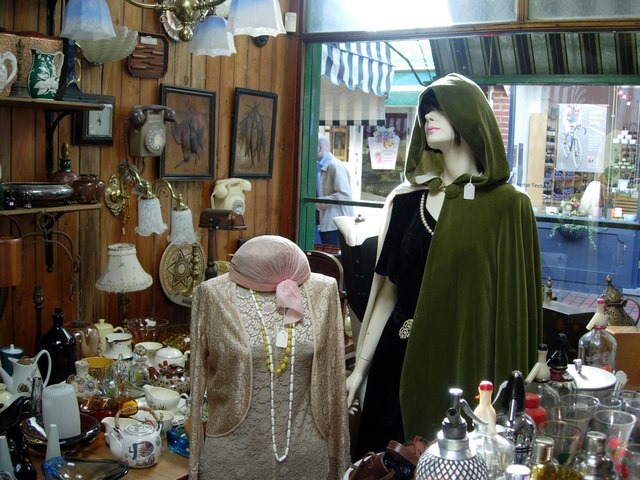
The Lanes have been a centre for antique dealing since the 1930s, and today the area contains around 50–60 antique dealers and galleries. The Brighton Lanes Antique Centre on Meeting House Lane is the largest single collection under one roof — a multi-dealer arcade covering jewellery, silverware, ceramics, prints, and furniture. Adjacent dealers on Brighton Place and Bartholomew Square specialise in different periods and categories.
Vintage clothing is concentrated more in North Laine (Snoopers Paradise on Kensington Gardens is the undisputed king), but the Lanes have several upmarket vintage boutiques selling curated 20th-century fashion. Prices in the Lanes tend to be higher than North Laine but the curation is stricter.
Jewellery
Jewellery is the Lanes’ signature product. Independent jewellers — many making their own pieces on-site — line Meeting House Lane, East Street, and the interconnecting passages. Brighton is known for silver and semi-precious stone work, and the concentration of makers in one area has created a genuine centre of expertise. Watch repairs, bespoke commissions, and vintage jewellery sourcing are all services widely available.
Designer jewellery brands also have boutiques in the Lanes — Swatch, Pandora, and independent Sussex designers sit alongside established names. For genuinely original pieces, the independent makers are the most interesting option.
Brighton Lanes Vintage Shops
The Lanes and North Laine together form one of the best vintage shopping destinations in southern England. In the Lanes proper, Komedia Gallery and several independent boutiques on Ship Street sell vintage homewares, art prints, and mid-century furniture. In North Laine, Snoopers Paradise is a multi-floor arcade of vintage dealers covering everything from 1960s furniture to military uniforms to vintage cameras.
For vinyl records, North Laine is the place — Resident Records on Duke Street is one of the best independent record shops in England, with an exceptional selection of new, used, and rare records across all genres. The staff are knowledgeable without being intimidating.
Brighton Lanes Restaurants: Where to Eat
The Lanes contain some of Brighton’s best restaurants. For a full guide to the city’s food scene, see our best restaurants in Brighton guide, but for the Lanes specifically:
Fine Dining and Special Occasions
64 Degrees on Meeting House Lane is the most celebrated restaurant in the Lanes — small plates, creative technique, and changing seasonal menus. Booking is essential. Cin Cin on Vine Street serves exceptional handmade pasta in an intimate setting. For seafood, Riddle and Finns on Meeting House Lane delivers oysters, champagne, and excellent fish in a lively atmosphere.
Casual Lunch and Cafe Stops
The Lanes have several good options for a casual lunch stop between shopping. Lucky Beach Café near the seafront end is popular for its relaxed atmosphere and simple, well-sourced food. Polpo on Ship Street brings the Venetian bacaro style to Brighton — small cicchetti plates, good Aperol spritzes, and an energetic atmosphere. Bill’s on the Lanes is a reliable all-day dining option for groups with varied tastes.
Drinks and Cocktails
The Lanes after dark has a good selection of cocktail bars and wine bars. The Plotting Parlour on Prince Albert Street is a cosy Victorian-style bar with an extensive cocktail list. Camelford Arms on Camelford Street is a small, friendly pub with good local ales and no pretension.
Navigating the Brighton Lanes: Practical Tips
- The Lanes are best explored without a fixed route — allow at least 2 hours for wandering
- Most shops open 10am–5pm, with some staying open later in summer
- Weekday mornings are significantly quieter than weekend afternoons
- The best antique browsing is on Bartholomew Square and Brighton Place
- Use Meeting House Lane as your spine — it connects the main clusters of restaurants and shops
- The Lanes are pedestrianised but narrow — cycling and pushing pushchairs can be difficult in some passages
Brighton North Laine: The Adjacent Alternative
Immediately north of the Lanes, the North Laine district covers the streets around Gardner Street, Kensington Gardens, and Sydney Street. The character here is more bohemian and less polished than the Lanes — record shops, second-hand bookshops, independent clothing designers, craft beer bars, and coffee shops that double as arts venues.
The Saturday market on Upper Gardner Street brings additional stalls selling vintage clothing, street food, and handmade crafts. North Laine is where Brighton’s independent creative culture is most concentrated, and a morning here followed by lunch in the Lanes is a classic Brighton combination.

Brighton Lanes Shopping: What to Know Before You Go
- Most Lanes shops are cash-friendly but now also accept cards — keep both options available
- Antique prices are often negotiable, especially for larger items or multiple purchases
- The Lanes Antique Centre and Brighton Flea Market (Upper Gardner Street) are the best starting points for browsing
- The area gets very crowded on sunny Saturday afternoons — come on weekday mornings for the best experience
- Parking near the Lanes is expensive and limited — arriving by train and walking (10 minutes from the station) is recommended
Frequently Asked Questions: Brighton Lanes
What is the difference between the Lanes and North Laine in Brighton?
The Lanes are the medieval streets south of North Street, known for antiques, jewellery, and upscale restaurants. North Laine is the Victorian streets north of North Street, known for vintage clothing, record shops, and independent cafés. Both areas are excellent and complement each other.
What are the Brighton Lanes famous for?
The Brighton Lanes are famous for antique and vintage shopping, independent jewellers, narrow medieval streets, and some of Brighton’s best restaurants. The area has been a destination for antique dealers since the 1930s.
How long do you need to explore the Brighton Lanes?
Allow 2–3 hours to browse the Lanes properly, including lunch. If you’re also exploring North Laine, a full half-day (4–5 hours) is comfortable.
Are there good restaurants in the Brighton Lanes?
Yes — the Lanes contain some of Brighton’s best restaurants, including 64 Degrees, Cin Cin, Riddle and Finns, and The Chilli Pickle. It’s one of the best areas in the city for a quality lunch or dinner.
Ready to explore? See our Brighton beach guide for what to do on the seafront after shopping, and our Brighton romantic weekend guide for the best couples’ itinerary including the Lanes.