
Brighton Beach Guide: Everything You Need to Know (2026)
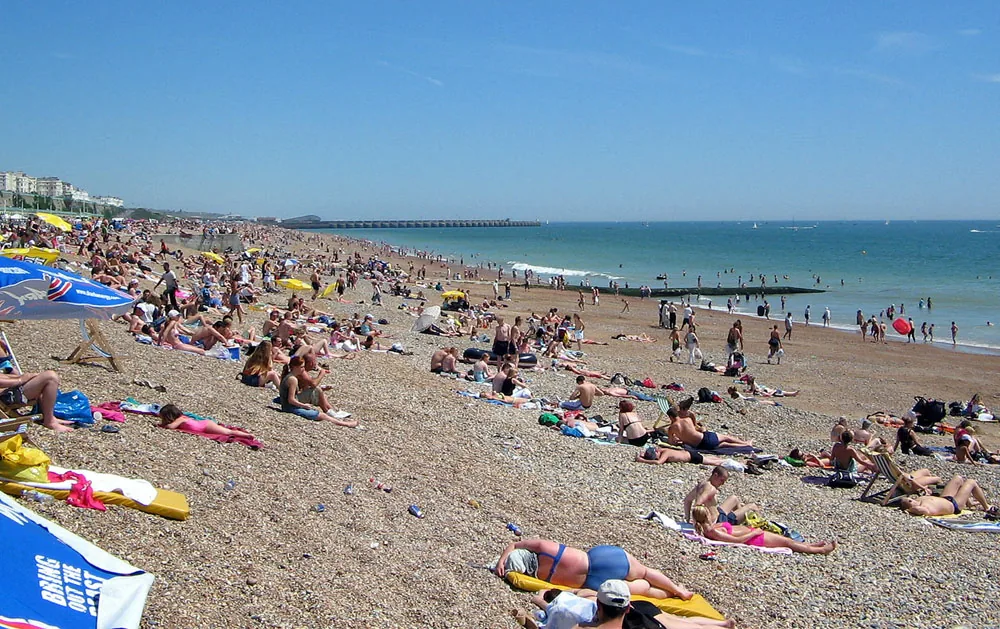
Brighton Beach is a 5-mile stretch of shingle coastline on the English Channel in East Sussex, fronting the city of Brighton and Hove. It is the most visited beach in England, attracting an estimated 8 million visitors per year. Unlike sandy beaches, Brighton’s beach is composed of smooth flint pebbles — a characteristic that defines everything from how you sit to how you walk. The beach runs from the marina in the east to Hove Lagoon in the west, with Brighton Palace Pier at its centre and the remains of the Victorian West Pier providing its most distinctive backdrop. This guide covers the best beach spots, facilities, water sports, and practical tips for 2026.
For a full Brighton visit plan, read our Brighton 2-Day Itinerary and the Best Things to Do in Brighton.
Brighton Beach: Key Facts
| Detail | Information |
|---|---|
| Beach type | Shingle (smooth flint pebbles) |
| Beach length | 5 miles (Brighton and Hove combined) |
| Water quality | Excellent — Blue Flag status held regularly |
| Swimming season | June–September (water temperature 16–20°C in summer) |
| Dogs allowed | Restricted sections during summer (May–September); dog-friendly sections marked |
| Lifeguards | RNLI lifeguards patrol central beach May–September |
| Nudist beach | Naturist beach east of the pier (Brighton Beach, east section) |
Best Beach Sections in Brighton
Central Brighton Beach (Between the Piers)
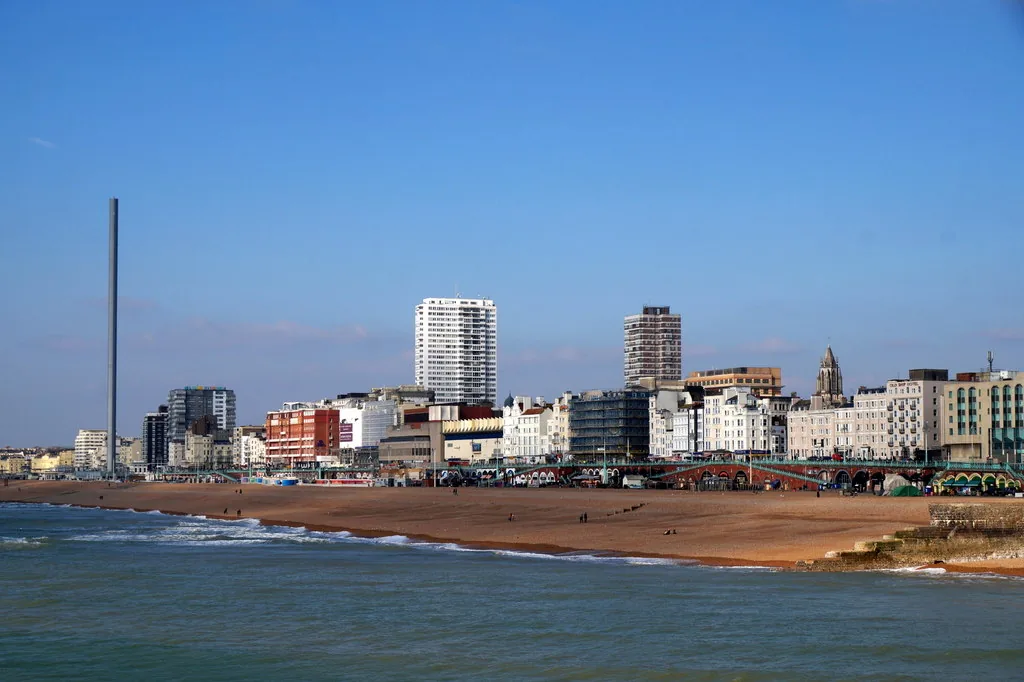
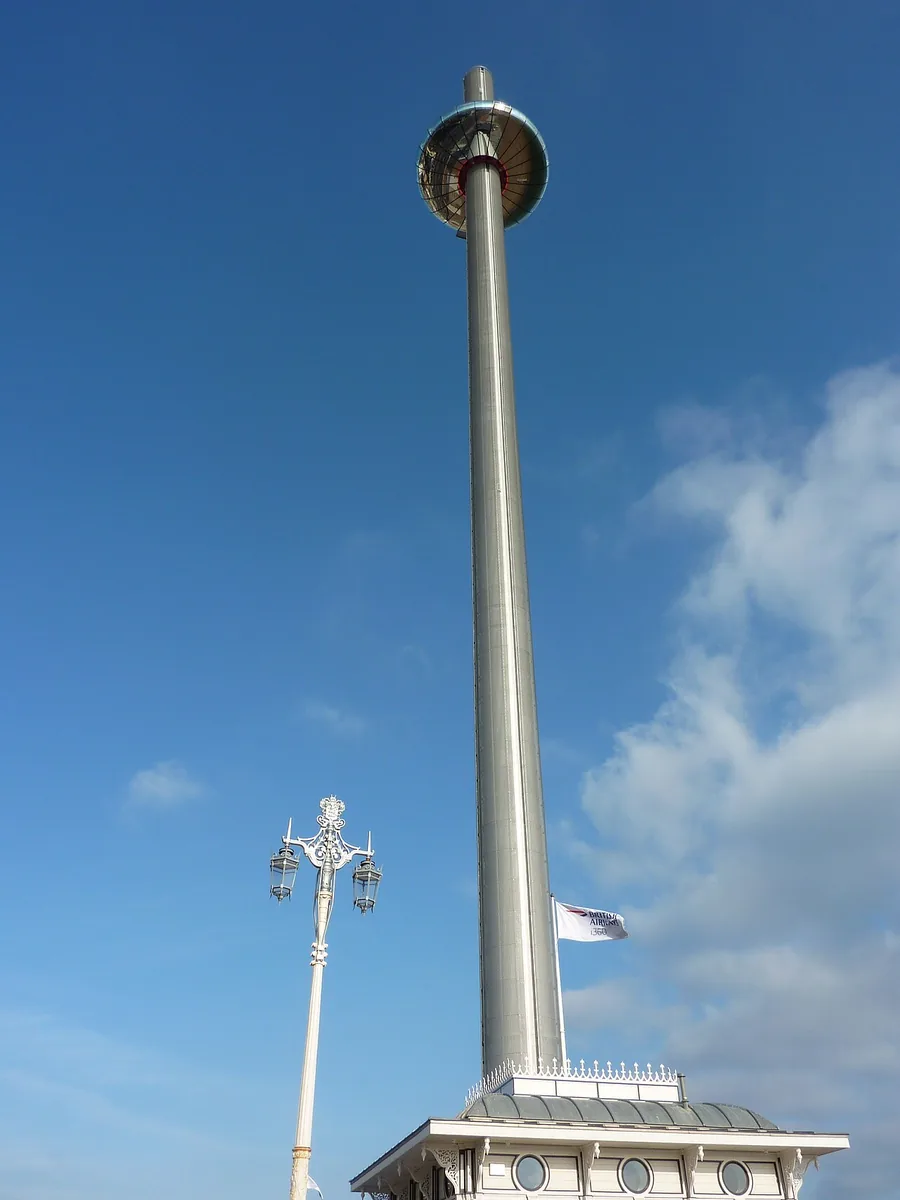
The stretch of beach between the Palace Pier and the West Pier ruins is the heart of Brighton’s beach experience. This section has the highest density of beach bars, food kiosks, deck chair hire, and beach volleyball courts. It’s the busiest section in summer but also the most social and well-serviced. The arches beneath Kings Road — 151 Victorian railway arches — front this section and house bars, clubs, restaurants, and a gym directly above the beach. The i360 observation tower stands at the western end of this section, near the West Pier ruins.
Hove Beach (West of the West Pier)
Hove beach is markedly quieter and more residential than Brighton’s central beach. Wide grass lawns stretch along the seafront backed by colourful beach huts. The water is equally clean, lifeguard cover is present, and the absence of funfair noise and amusement arcade crowds makes it a better choice for families with young children and those who want a genuinely relaxed beach day. Beach hut hire in Hove costs £15–£25 per day.
Brighton Marina Beach (East of the Pier)
East of the Palace Pier, the beach becomes progressively quieter. The naturist beach section is signposted in this area — clothing is optional east of a marked boundary near the Peter Pan Playground. Further east, the beach narrows as it approaches Brighton Marina. The Marina itself (Europe’s largest at the time of its construction in 1978) has restaurants, a casino, and waterfront bars that are popular in summer evenings.
Saltdean and Rottingdean (Further East)
For a quieter beach experience a few miles east of Brighton, Saltdean and Rottingdean offer pebble beaches with fewer crowds. Saltdean Lido — a Grade II listed Art Deco outdoor swimming pool — is open in summer for sea-fed lido swimming, a rare English experience. Entry costs £5–£8. Buses 27 and 27A run from Brighton centre to both villages.
Swimming at Brighton Beach
Brighton is a popular sea swimming destination. The water quality regularly earns Blue Flag certification and is monitored by the Environment Agency. Key facts for swimmers:
- Best swimming area: Central beach between the piers — lifeguarded May–September
- Water temperature: 9–11°C in winter, 16–20°C in July–August
- Current: Tidal movement along the coast — swim parallel to the beach, not straight out
- Entry: The pebble beach shelves steeply — water deepens quickly within a few steps of the shoreline
- Wild swimming groups: Brighton is home to a large cold water swimming community; the Brighton Swimming Club (founded 1860) swims year-round from the central beach
Brighton Beach Water Sports
| Activity | Where | Price | Best For |
|---|---|---|---|
| Kayaking | Brighton Watersports (near pier) | £20–£30 per hour | Beginners; exploring coastline |
| Stand-up paddleboarding | Brighton Watersports / Hove Lagoon | £25–£35 per hour | All ages; calm sea conditions |
| Kitesurfing | Hove Lagoon and beach | Lessons from £70 | Experienced watersport enthusiasts |
| Windsurfing | Hove Lagoon | Hire from £25 per hour | Intermediate to advanced |
| Jet skiing | Brighton Marina | From £60 per 30 min | Thrillseekers; groups |
| Sailing | Brighton Marina | Lessons from £65 | Families; those wanting to learn |
Brighton Beach Facilities
Deck Chairs and Sun Loungers
Deck chairs are available for hire along the central beach from several operators. Prices range from £3–£5 for a half-day to £6–£8 for a full day. No advance booking needed — hire on the day from the deckchair attendants on the beach.
Beach Huts
Brighton and Hove have around 200 council-operated beach huts along the seafront, particularly concentrated in Hove. Day hire costs £15–£25 per day for a basic hut. To hire a beach hut, contact Brighton and Hove City Council directly or book through the beachfront hut offices during the season (April–October). Beach huts are not overnight accommodation — they are day-use changing and storage facilities.

Toilets and Showers
Public toilets and outdoor showers are available at regular intervals along the seafront, with the main facilities at the Palace Pier, King Alfred Leisure Centre (Hove), and near the i360. Shower facilities are particularly useful after swimming in summer.
Food and Drink on the Beach
The central beach has a high concentration of food options:
- The Honey Club, Ohso Social, Lucky Beach — beach bar and restaurant arches with outdoor terraces directly on the seafront
- Food kiosks — fish and chips, ice cream, hot dogs, and coffee along Kings Road and Madeira Drive
- The Regency Restaurant — the classic Brighton fish and chip institution, on Kings Road since 1932
- Supermarkets — Waitrose and Sainsbury’s within 10 minutes’ walk of the central beach for self-catering picnics
Practical Tips for Brighton Beach
- Bring a mat or folding chair — sitting on pebbles for extended periods without padding is uncomfortable; beach mats (£5–£10 in local shops) make a significant difference
- Pebble shoes or water shoes — the steep shingle entry makes bare feet uncomfortable when entering the sea; inexpensive water shoes help enormously
- Sun protection — the seafront can be deceptively cool with sea breeze while UV exposure remains high; apply SPF even on overcast days
- Check tide times — Brighton’s beach narrows significantly at high tide; arriving at low tide gives a wider beach area
- Arrive before 11:00 AM in peak summer — parking and beach space become very limited by late morning
- Dogs are restricted on certain sections May–September — check current signage or visitbrighton.com for the latest seasonal map
Frequently Asked Questions
Is Brighton Beach sandy or pebbly?
Brighton Beach is a pebble beach — composed of smooth flint shingle rather than sand. There is no sand anywhere along Brighton or Hove’s main seafront. The pebbles are smooth and rounded but make walking on the beach and entering the sea different from a sandy beach. Water shoes are recommended for sea swimming.
Can you swim at Brighton Beach?
Yes. Brighton Beach is a popular swimming beach with regularly tested water quality that earns Blue Flag certification. RNLI lifeguards patrol the central beach between the piers from May to September. The beach shelves steeply, so the water deepens quickly from the shoreline. Best swimming conditions are July–September when water temperatures reach 16–20°C.
How crowded does Brighton Beach get?
In July and August, particularly on sunny weekends, Brighton Beach is extremely busy — especially the central section between the two piers. Arriving before 10:00 AM or visiting on a weekday reduces crowds significantly. Hove beach, half a mile west, is consistently quieter than Brighton’s central beach and equally well-served with facilities.
Is Brighton Beach free?
Yes. Access to Brighton Beach is completely free. Deck chair hire (£3–£8 per day), beach hut hire (£15–£25 per day), and water sports activities carry charges, but walking the beach, swimming, and sitting on the pebbles cost nothing. The seafront promenade and piers are free to walk.
Ready to plan your full Brighton visit? See the Brighton 2-Day Itinerary and Best Things to Do in Brighton for the complete picture.



3 Comments