

2 Days in Rye: The Perfect Medieval Town Itinerary (2026)
Rye is one of England’s most perfectly preserved medieval towns — a former Cinque Port perched on a hilltop in East Sussex, with cobblestone streets, timber-framed buildings, a 13th-century tower, and a literary history that connects Henry James, Radclyffe Hall, and E.F. Benson to its quiet lanes. Two days gives you the full town, the nearby beach at Camber Sands, and the remarkable birdlife of Rye Harbour Nature Reserve.
Day 1: Medieval Rye — Mermaid Street, Ypres Tower, and Lamb House
Morning: Start on Mermaid Street — the most photographed street in Rye and one of the most photographed in England. The cobblestoned lane runs steeply between 15th-century timber-framed houses including the Mermaid Inn (parts of which date to 1156, rebuilt 1420). Walk slowly, look up at the overhanging jetties and irregular rooflines, and resist the urge to spend the whole morning photographing it.
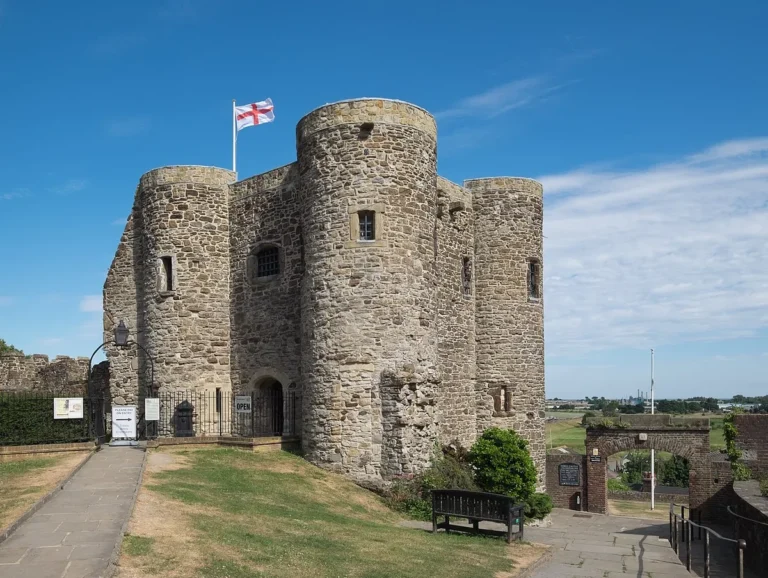
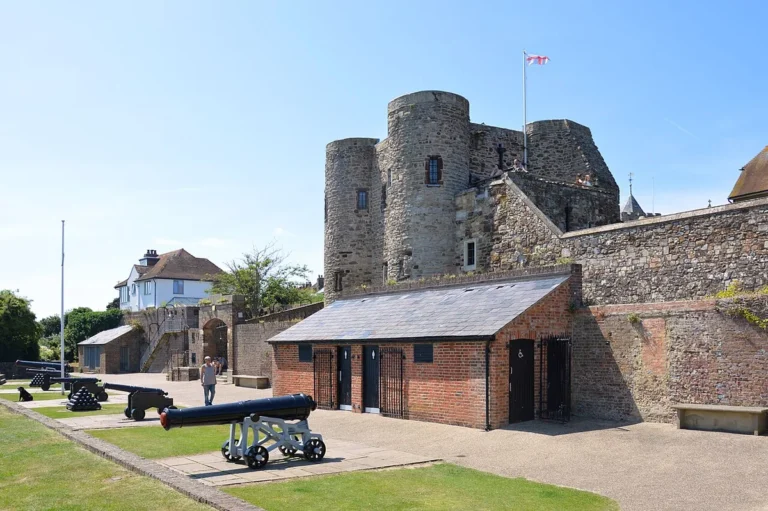
Mid-Morning: Walk to Ypres Tower at the southern end of Gun Garden. Built in 1249, the tower was part of Rye’s medieval defences and now houses the Rye Castle Museum (adults £5). The exhibits cover Rye’s history as a Cinque Port, its smuggling past, and the local landscape. The Gun Garden below the tower has views across Romney Marsh.
Lunch: Haydens Bakery on the High Street does the best bread and pastries in Rye. Eat on a bench in the churchyard of St Mary’s with the view over the rooftops. For a sit-down lunch, The Landgate Bistro on Landgate is consistently good — local ingredients, modern British cooking, mains £14-£22.

Afternoon: Visit Lamb House on West Street (National Trust, adults £7.50). Henry James lived here from 1898 to 1916 and wrote The Wings of the Dove and The Golden Bowl in the garden room. E.F. Benson later lived here and used the town as the setting for his Mapp and Lucia series. Open Wednesday and Saturday afternoons in season. The house and garden are small but the literary connection is genuine.
Late Afternoon: Climb St Mary’s Church tower (adults £4) for the best view over the Rye rooftops and Romney Marsh beyond. The church clock, installed in 1561, is the oldest working church clock in England. The Quarter Boys — iron figures that strike the quarter hours — are visible from the street below.
Dinner: The Mermaid Inn restaurant for the most atmospheric dinner in Rye — a medieval inn with a dining room of beamed ceilings and log fires, and a menu of British classics. Mains £22-£35. Alternatively, Simply Italian on Lion Street is good value and popular with locals (mains £12-£20).

Day 2: Camber Sands and Rye Harbour Nature Reserve
Morning: Drive 3 miles east to Camber Sands — 5 miles of sand dunes and beach that is exceptional by English standards: wide, largely undeveloped, and backed by dune systems rather than promenade. Go before 10 a.m. in summer to beat the car park queues. Walk the dunes toward the east end of the beach for the quietest section. Free beach access; parking charge.
Mid-Morning: Return toward Rye and stop at Rye Harbour Nature Reserve — a 900-hectare shingle, saltmarsh, and lagoon system that is one of the most important wildlife sites in southern England. The reserve has nesting little terns, oystercatchers, avocets, and a remarkable variety of shingle-specialist plants. The visitor centre has trail maps; the main round walk is 3 miles and takes about 1.5 hours. Free.
Afternoon: Return to Rye for a final walk through the town’s back lanes. The Land Gate — the surviving medieval gateway to the town — is on the north side and worth a close look. Walk from the gate south through the High Street and back up to the church for a different perspective on the town’s topography. Buy something from the independent shops on the High Street before leaving.

Practical Notes
- Rye is easily reached from London — trains from Charing Cross or London Bridge take about 1.5 hours.
- Parking in Rye fills quickly on summer weekends. The Strand Quay car park is the largest and closest to the old town.
- Lamb House is only open Wednesday and Saturday afternoons in season — check National Trust website before planning your visit around it.
- Camber Sands car parks charge by the hour and fill fast on hot summer days. Arrive before 9:30 a.m. or after 4 p.m.
- The Mermaid Inn rooms are atmospheric but expensive — see our Where to Stay guide for the full Rye accommodation breakdown.
Frequently Asked Questions
Is Rye worth visiting for a weekend?
Yes. Rye is one of England’s most distinctive small towns — the medieval streetscape, the literary heritage, Camber Sands, and the Rye Harbour nature reserve make it one of the best short-break destinations in the southeast.
How far is Rye from London?
Rye is about 65 miles southeast of London — approximately 1.5 hours by car via the A21 and A268, or 1.5 hours by train from Charing Cross or London Bridge.
See our complete Rye destination hub for the full travel guide, accommodation recommendations, and hidden gems.

One Comment