Bath vs Bristol: Which City Should You Visit? (2026)
Bath and Bristol are neighbours — just 14 miles apart in the West of England — but they are very different cities. Bath is a compact, UNESCO-listed Georgian masterpiece, famous for its Roman history, thermal spa, and refined architecture. Bristol is a larger, grittier, more dynamic city with a thriving creative scene, Brunel’s engineering triumphs, one of Britain’s best harbourside food districts, and the Banksy street art that earned it international fame. Choosing between them — or working out how to see both — is a question every visitor to this part of England faces. This guide settles it.
Start with the Bath travel guide if you’re planning the Bath side of the trip, and read on for an honest comparison.
Bath vs Bristol: The Basic Comparison
| Category | Bath | Bristol |
|---|---|---|
| UNESCO status | Yes (entire city) | No |
| Population | ~94,000 | ~470,000 |
| Character | Historic, refined, compact | Urban, creative, diverse |
| Main draw | Georgian architecture, Roman Baths, spa | Harbourside, street art, Brunel, food |
| Best known for | Thermae Bath Spa, Jane Austen | Banksy, SS Great Britain, Clifton Bridge |
| Train from London | ~1 hr 15 min | ~1 hr 45 min |
| Train between them | — | 12–15 min, £5–£10 |
| Nightlife | Moderate (good bars and restaurants) | Excellent (major clubs, live music) |
| Budget friendliness | Moderate–expensive | More affordable |
| Ease of walking | Very walkable | Walkable centre; steep in places |
Architecture and Atmosphere

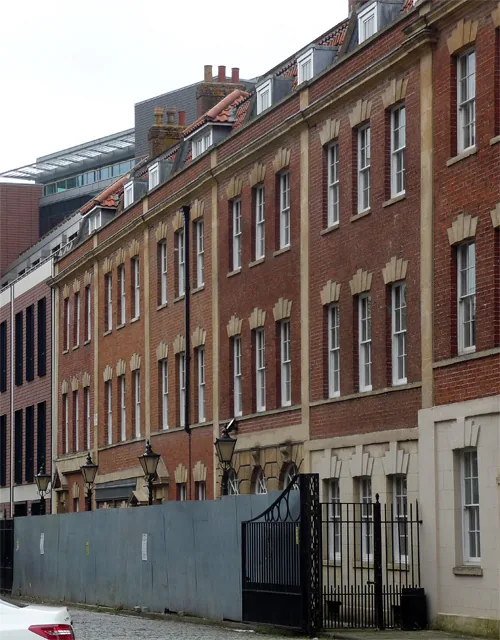
Bath’s Georgian architecture is genuinely world-class. The Royal Crescent, The Circus, Pulteney Bridge, the Assembly Rooms, and the surrounding streets of terraced townhouses form one of the most coherent and beautiful urban environments in the world. The honey-coloured Bath stone glows in afternoon light; the scale is human and comfortable; the whole city feels designed as a single piece of civic art — because it largely was, by the Wood family of architects in the 18th century.
Bristol’s architectural highlights are more scattered and eclectic. The Georgian Clifton area (perched on a gorge above the city) has elegant squares and crescents that rival Bath in quality, if not in coherence. The harbourside has been redeveloped from Victorian industrial docklands into one of Britain’s finest urban waterfronts — converted warehouses, public art, excellent restaurants, and the remarkable Arnolfini gallery. Stokes Croft is perhaps Britain’s most compelling street art district, with Banksy originals and murals by dozens of other artists covering every available surface.
Verdict: For architecture as a primary interest, Bath wins by a significant margin. For urban character and creative energy, Bristol is more interesting.
History and Culture

Bath’s history runs deeper in time. The hot springs attracted Roman settlement in the 1st century AD, producing the remarkable bathing complex at the Roman Baths — one of the most complete Roman archaeological sites in northern Europe. The city’s Georgian heyday (1720–1820) was equally influential: it attracted the aristocracy, inspired Jane Austen, Gainsborough, and the architects of the Picturesque movement, and produced a built environment that defined English urbanism for a century.
Bristol’s history is substantial but more ambivalent. The city was central to the transatlantic slave trade in the 17th and 18th centuries — a legacy the city is grappling with honestly, particularly since the 2020 toppling of the Edward Colston statue. It is also the city of Isambard Kingdom Brunel: the SS Great Britain (the world’s first ocean-going iron-hulled steamship, now a museum), the Clifton Suspension Bridge, and the Great Western Railway that connects Bath and Bristol to London were all Brunel’s creations.
Verdict: Both cities have fascinating histories. Bath’s is older and more glamorous; Bristol’s is more complex and, arguably, more instructive.
Things to Do
Bath’s Top Experiences
- Roman Baths — The most remarkable Roman archaeological site in the UK
- Thermae Bath Spa — The only natural thermal spa in Britain
- Royal Crescent and The Circus — Georgian urban design at its finest
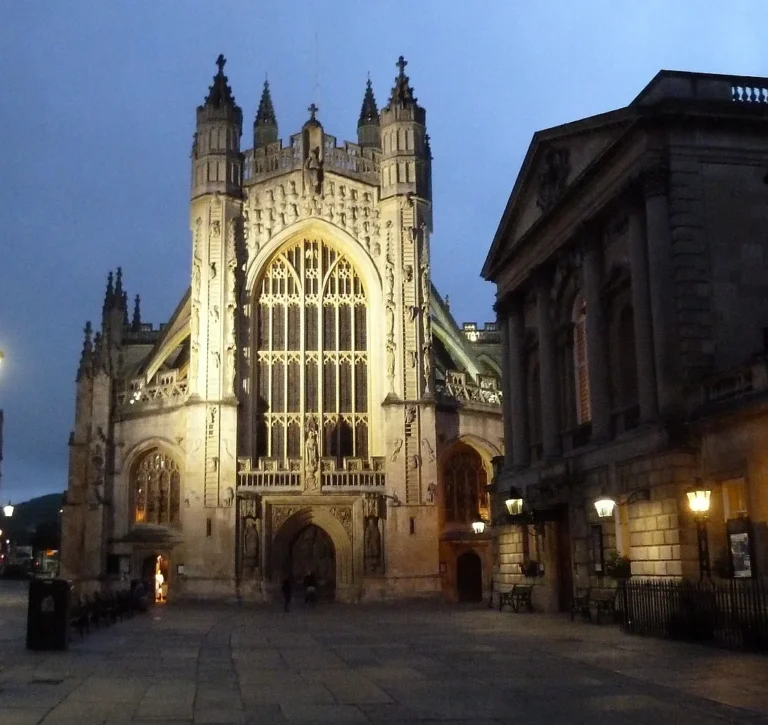
- Bath Abbey — 15th-century Gothic cathedral, free entry
- No. 1 Royal Crescent — Georgian house museum
- Fashion Museum — 400 years of clothing history
Bristol’s Top Experiences
- SS Great Britain — Brunel’s revolutionary 1843 iron steamship (adult £18.50)
- Clifton Suspension Bridge — Brunel’s other masterpiece, free to cross
- Bristol Museum and Art Gallery — strong collection, free entry
- Banksy street art walking routes — Stokes Croft, Bedminster, Harbourside
- Wapping Wharf — container-park food court with 20+ independent traders
- Bristol Old Vic — the oldest continuously working theatre in the English-speaking world
Food and Drink
Bath’s food scene is excellent for its size — particularly at the fine-dining end, with the Michelin-starred Olive Tree, the celebrated Menu Gordon Jones, and exceptional coffee at Colonna & Smalls. See our Bath restaurants guide for the full picture. The Saturday farmers’ market at Green Park Station is one of the best in England.
Bristol’s food scene is more diverse and, at the mid-range, arguably better value. Wapping Wharf’s food market is a highlight. Stokes Croft has excellent independent restaurants and cafés. Clifton has some of Bristol’s most established restaurants. Bristol is also one of the UK’s better cities for vegetarian and vegan food.
Verdict: For fine dining, Bath leads. For variety, affordability, and street food, Bristol wins.
Which City Should You Visit?
Choose Bath if you want…
- UNESCO World Heritage architecture as your primary interest
- A thermal spa experience (Thermae Bath Spa is unique in the UK)
- A romantic, refined city-break atmosphere
- Roman history (the Baths are exceptional)
- A compact, very walkable city
- A Jane Austen pilgrimage
Choose Bristol if you want…
- More vibrant nightlife and live music
- Street art and contemporary culture
- A more affordable city break
- Brunel’s engineering landmarks
- A larger, more cosmopolitan urban experience
- Better access to the Cotswolds via the M4
Can You Do Both in One Trip?
Yes — and we recommend it. Bath and Bristol are 12–15 minutes apart by train (frequent services, £5–£10 for a day return). A sensible approach: spend 1–2 nights based in Bath, which is smaller and more manageable, and take a day trip to Bristol by train. This gives you the best of both cities without the cost of two hotel stays in two different locations.
Our day trips from Bath guide covers the Bristol day trip in full, including what to do in Bristol in a day. Our 2-day Bath itinerary suggests the best use of time in Bath itself.
Frequently Asked Questions
Is Bath better than Bristol for a weekend trip?
For a first visit to this part of England, Bath edges it — the UNESCO architecture, Roman Baths, and Thermae Spa create a more concentrated and unique experience. Bristol is a better choice if you prioritise nightlife, contemporary culture, and affordability.
Can you do Bath and Bristol in the same day?
You can see the highlights of both, but it would be a very rushed day. Better to base yourself in one and day-trip to the other. Bristol makes an excellent half-day from Bath given the 12-minute train journey.
Is Bath or Bristol closer to the Cotswolds?
Both are similar distances from the Cotswolds (15–40 miles depending on the specific village). Bath is marginally better placed for the southern Cotswolds (Castle Combe, Lacock, Cirencester); Bristol for the northern Cotswolds (Cheltenham, Stow-on-the-Wold).
Whichever city you choose, our Bath travel guide is the best starting point for planning your West of England break. And if you’re interested in more UK city comparisons, explore the range of UK city guides on TheProTravel.