

Bath Itinerary: The Perfect 2-Day Weekend Guide (2026)
A Bath itinerary is a day-by-day plan that helps you make the most of one of England’s most beautiful cities. Bath is a UNESCO World Heritage Site in Somerset, England, famous for its Roman-built baths, Georgian architecture, and the only natural hot spring spa in the UK. Most visitors spend 2 days in Bath — enough to cover the major sights without rushing. This guide shows you exactly how to spend those 2 days.
For a full overview of the city before you arrive, read our Bath Travel Guide. If you want to plan your accommodation first, see Where to Stay in Bath.
Bath at a Glance
| Detail | Info |
|---|---|
| Location | Somerset, South West England |
| Distance from London | 115 miles (1 hr 25 min by train) |
| Best time to visit | May–September (peak), December (Christmas market) |
| Recommended stay | 2 days minimum |
| Top attraction | Roman Baths |
| UNESCO status | World Heritage Site since 1987 |
Day 1: Roman History and Georgian Grandeur
Morning: Roman Baths (9:00 AM)
Start your Bath itinerary with the Roman Baths as soon as they open at 9:00 AM. Arriving early means fewer crowds, which makes the audio guide experience far more immersive. Allow 1.5 to 2 hours. Adult tickets cost £25 (book online for a £1 discount). The Great Bath — a lead-lined Roman swimming pool built around 70 AD — is the centrepiece. The Sacred Spring still pumps around 1.17 million litres of geothermally heated water per day at 46°C.
After your visit, have coffee at the Pump Room Restaurant attached to the baths. A glass of the famous spa water is included with your Roman Baths ticket — be warned, it tastes strongly of minerals.
Late Morning: Bath Abbey and Abbey Churchyard (11:00 AM)
Bath Abbey is directly next to the Roman Baths. Climb the 212 steps of the Tower Tour for panoramic views over Bath’s honey-coloured rooftops (£8). The fan vaulting inside the abbey nave is among the finest examples in England. Admission to the abbey itself is free, though a £4 donation is suggested.

Afternoon: Pulteney Bridge and the Circus (1:00 PM)
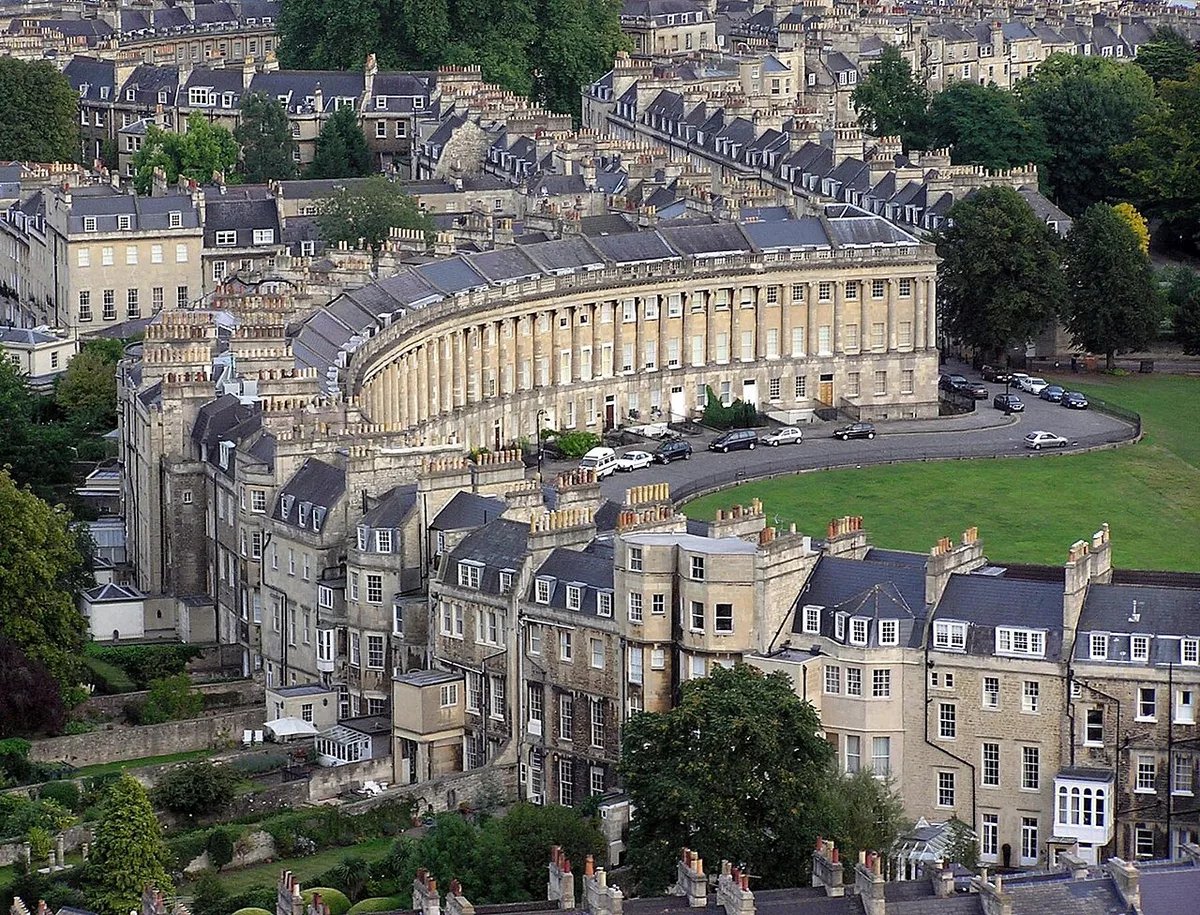
Walk five minutes northeast to Pulteney Bridge — one of only four bridges in the world with shops on both sides. Grab lunch at one of the cafes overlooking the River Avon weir. After lunch, head to the Circus, a circular arrangement of 30 Georgian townhouses designed by John Wood the Elder, completed in 1768. Follow it with a short walk to the Royal Crescent, a sweeping 30-house curved terrace and Bath’s most photographed street.
No. 1 Royal Crescent is now a museum showing how a Georgian household lived in the 18th century. Tickets cost £13.50 for adults.
Evening: Milsom Street and Dinner (6:00 PM)
Milsom Street is Bath’s main shopping and dining strip. For dinner, try Sotto Sotto (Italian, £25–£40 per head), The Ivy Bath Brasserie (modern British, £30–£50), or Acorn Restaurant if you want award-winning vegetarian food. Book ahead for all three — Bath restaurants fill up fast on weekends.
Day 2: Thermae Spa, Shopping, and Surrounding Villages
Morning: Thermae Bath Spa (8:00 AM)
Book the first morning slot at Thermae Bath Spa — the UK’s only natural thermal rooftop pool. A 2-hour session costs £40 (Monday–Friday) or £45 (weekends). The rooftop pool at 35°C with views over the city skyline is the highlight of any Bath visit. Book at least 2 weeks in advance in summer — slots sell out.
Late Morning: Fashion Museum and Assembly Rooms (11:00 AM)
The Fashion Museum inside the Assembly Rooms holds one of the world’s finest collections of historic dress, from 17th-century corsets to Dior couture. Adult tickets cost £10. The Assembly Rooms themselves are free to enter — they were where Jane Austen’s characters attended balls in Northanger Abbey and Persuasion.

Afternoon: Jane Austen Centre and the Artisan Quarter (1:00 PM)
Bath was Jane Austen’s home from 1801 to 1806. The Jane Austen Centre on Gay Street covers her time in the city with costumed guides and a Regency tea room. Adult entry costs £14. Afterwards, explore the independent shops and galleries around Walcot Street — Bath’s artisan quarter — for local jewellery, vintage books, and handmade ceramics.
Option: Day Trip to Lacock or Avebury (2:30 PM)
If you have time on Day 2, Lacock (12 miles from Bath) is a perfectly preserved medieval village used in Pride and Prejudice and Downton Abbey filming. Avebury stone circle (25 miles) is older and larger than Stonehenge, with free entry to walk among the stones. Both are reachable by car in under 30 minutes.
Evening: Farewell Dinner
End your Bath itinerary in style. The Circus Restaurant (near the Circus monument) is consistently rated among Bath’s best. For something more casual, try the independent restaurants along Kingsmead Square.
Bath Itinerary Tips
- Book Roman Baths and Thermae online — both sell out, especially on weekends and Bank Holidays
- Wear comfortable shoes — Bath’s Georgian streets are steep in places and mostly cobblestone
- Get a Bath City Card if you’re visiting multiple paid attractions — it bundles entry and offers savings
- Start early — the Roman Baths and Thermae are far more enjoyable with fewer people
- Park outside the centre — driving into central Bath is expensive and unnecessary; trains and park-and-ride buses are better
Frequently Asked Questions
How many days do you need in Bath?
Two days is the ideal minimum for Bath. One full day covers the Roman Baths, Bath Abbey, and Royal Crescent. A second day allows time for Thermae Bath Spa, the Fashion Museum, and Jane Austen Centre without rushing.
Is Bath worth visiting for a day trip from London?
Yes. Bath is 1 hour 25 minutes from London Paddington by direct train. A day trip gives you enough time to visit the Roman Baths, walk the Royal Crescent, and have lunch — but an overnight stay lets you enjoy Thermae Spa and the evening dining scene.
What is the best time of year to visit Bath?
May through September offers the best weather and longest daylight hours. December is excellent for the Bath Christmas Market (late November to mid-December), one of the best in the UK. Avoid August Bank Holiday weekends — the city gets very busy.
Is Bath expensive to visit?
Bath is one of England’s pricier cities. Expect to spend £60–£100 per person per day covering entry fees (Roman Baths £25, Thermae £40–£45), meals (£15–£40 per sitting), and transport. Many outdoor attractions — the Royal Crescent, Pulteney Bridge, the Circus — are free.
Ready to dig deeper into what Bath has to offer? Read our guide to Best Things to Do in Bath and the Roman Baths complete visitor guide.



3 Comments