Smith Rock State Park: Complete Visitor Guide (2026)
Smith Rock State Park is one of the most spectacular natural landmarks in Oregon and a must-visit on any Bend Oregon itinerary. Located 30 miles north of Bend in the high desert of Central Oregon, Smith Rock is famous for its dramatic volcanic rock formations, the Crooked River winding through the canyon floor, and world-class rock climbing routes that helped define modern sport climbing in the United States. This complete Smith Rock State Park guide covers hiking trails, climbing, tickets and fees, what to bring, and essential tips for first-time visitors.
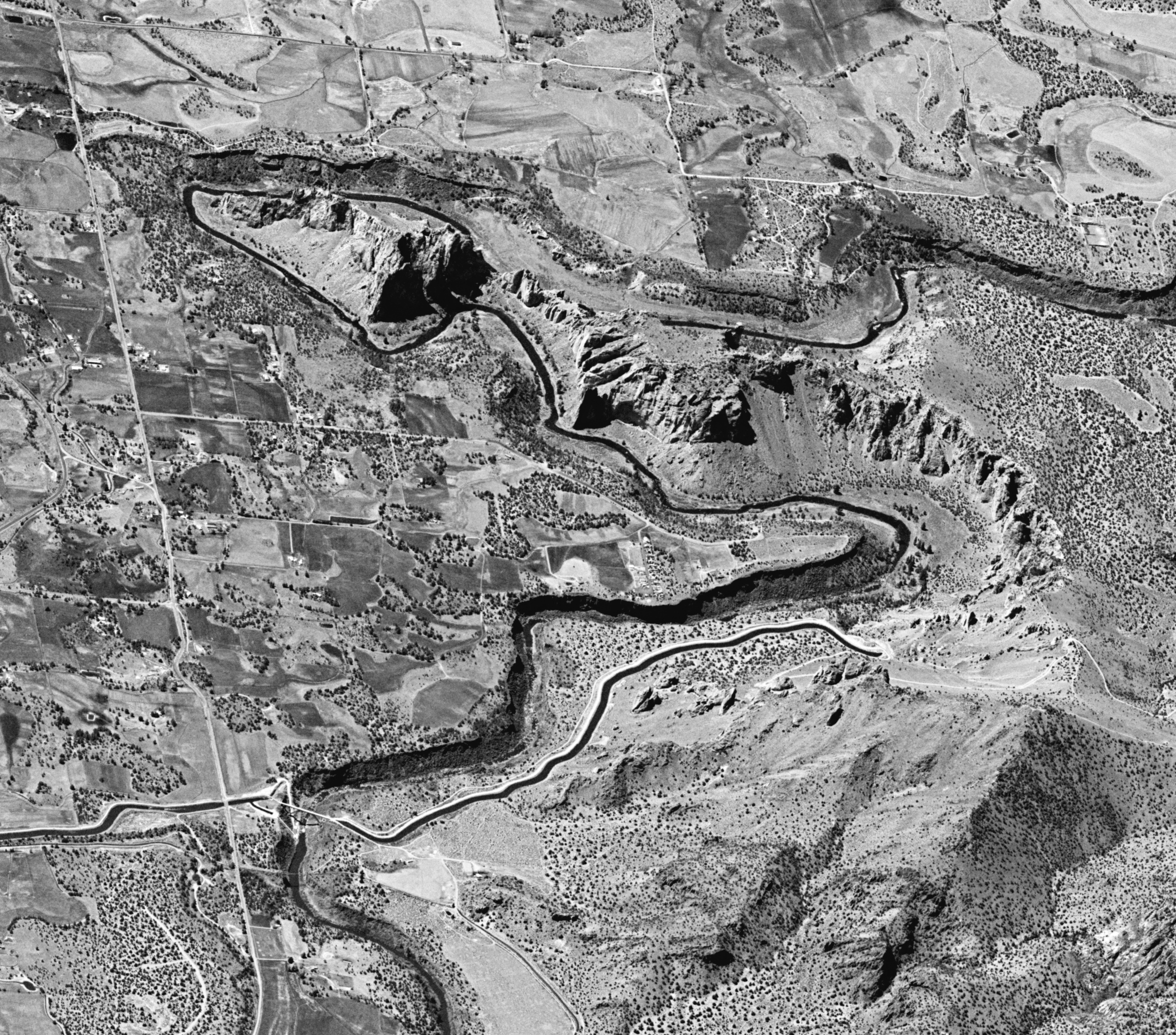
Smith Rock State Park Overview
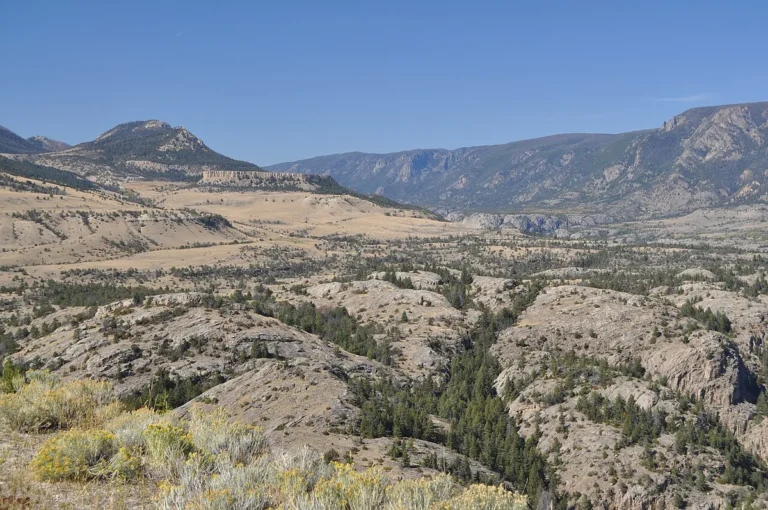
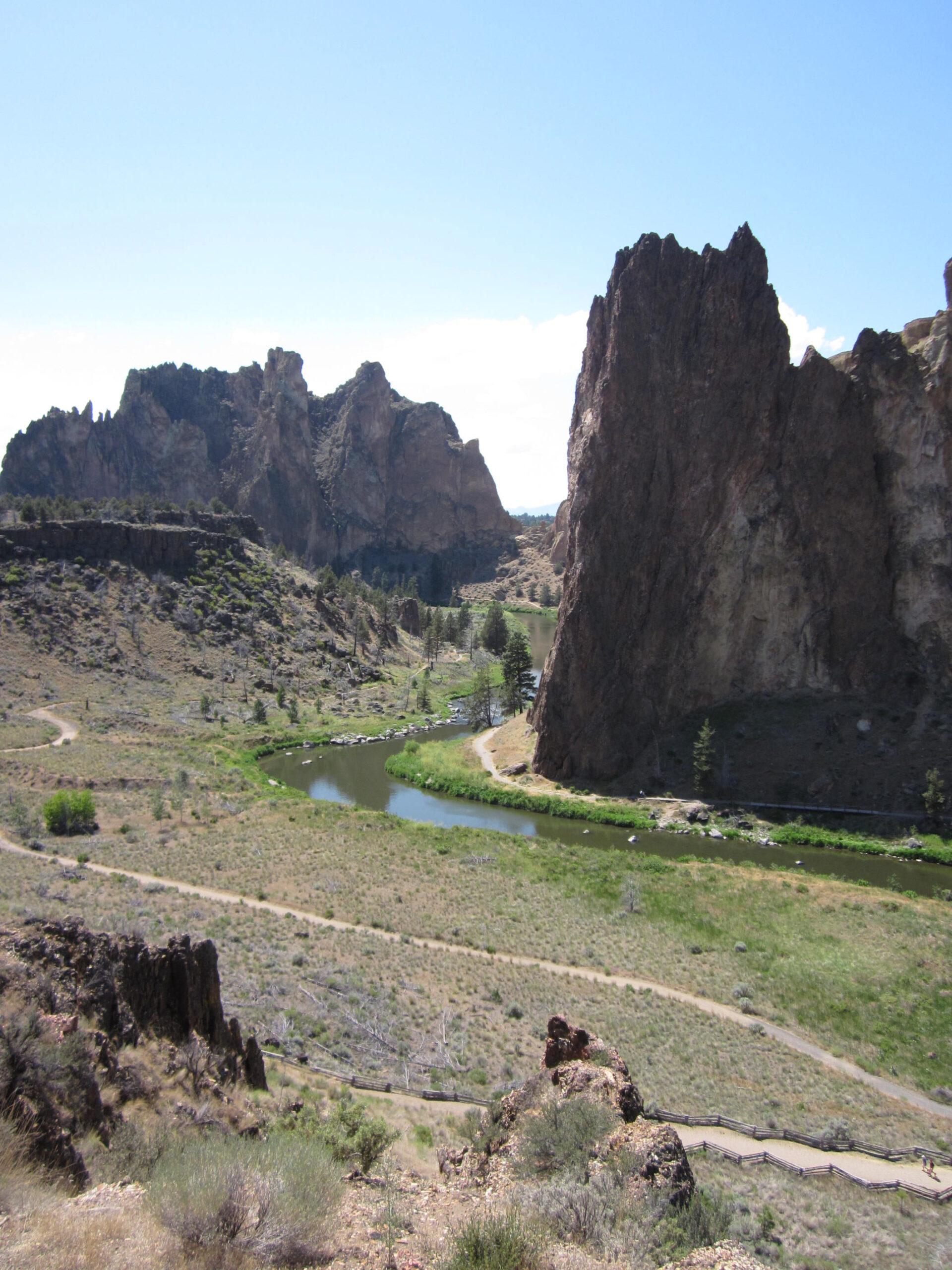
Smith Rock rises more than 600 feet above the Crooked River in a semi-arid landscape that feels far removed from the lush forests of western Oregon. The rock itself is welded tuff — volcanic material compressed into spectacular columns, faces, and spires over 30 million years of geological activity. The most iconic feature is Monkey Face, a 350-foot column with a natural cave that resembles a primate head when viewed from the valley.
The park covers 651 acres and welcomes roughly 1.5 million visitors per year, making it one of the most visited state parks in Oregon. Despite the crowds, it retains a genuine sense of wilderness. Smith Rock is one of Central Oregon’s most scenic destinations and pairs perfectly with a broader Bend region visit.
Smith Rock Trails: Complete Guide
Smith Rock has approximately 12 miles of maintained trails ranging from flat riverside paths to steep technical scrambles. Understanding the trail system before you arrive will save time and help you match your route to your fitness level.
Misery Ridge Trail Loop (Most Popular)
The Misery Ridge Loop is the signature Smith Rock experience and the route that most visitors should do. It takes roughly 3 to 4 hours for an average hiker and covers about 4 miles with 780 feet of elevation gain. From the main trailhead, descend to the Crooked River footbridge, cross to the base of the rocks, then climb the steep switchbacks of Misery Ridge — the hardest section of the loop — to the ridge top with panoramic views of the Cascades. Return via the River Trail for variety.
- Distance: approximately 4 miles round trip
- Elevation gain: 780 feet
- Difficulty: Moderate to Strenuous
- Best feature: summit views of Cascade peaks including South Sister and Mount Bachelor
- Key challenge: the steep Misery Ridge switchbacks are not suitable for young children or those with vertigo
River Trail (Easy and Scenic)
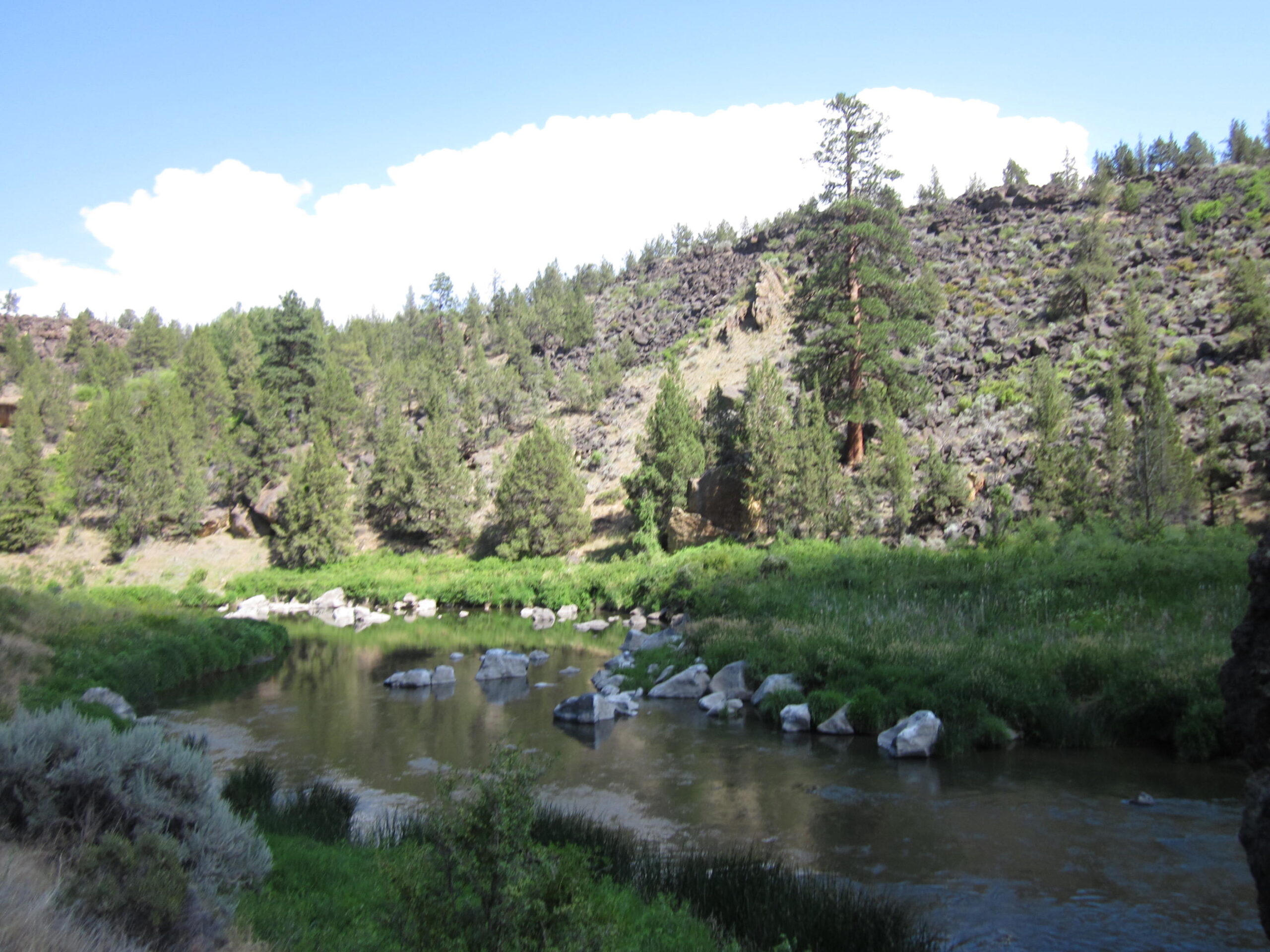
The River Trail follows the Crooked River through the base of the canyon for approximately 2 miles one way. It is flat, wide, and suitable for all ages and fitness levels. The trail provides spectacular views upward to the rock formations and excellent opportunities for wildlife watching — golden eagles, prairie falcons, mule deer, and river otters are all regularly spotted here.
Summit Trail (Advanced Hikers)
The Summit Trail connects to the top of Smith Rock’s highest point with 360-degree views. It involves some route-finding and is more appropriate for experienced hikers. The trailhead is accessible from the east side of the park. Allow extra time and bring a detailed trail map.
Smith Rock Rock Climbing: A World-Class Destination
Smith Rock State Park played a central role in the development of sport climbing in the United States. Alan Watts established the first sport climbing routes here in the 1980s, pioneering a style that prioritized difficult movement over traditional gear placements. Today the park has over 1,800 routes ranging from beginner top-rope climbs to some of the hardest sport routes in North America.
The most famous route is To Bolt or Not to Be, a 5.14a established by Scott Franklin in 1986 that was the hardest sport climb in the country when first ascended. Monkey Face itself has several classic routes, including the Pioneer Route (5.7) which involves chimney climbing into the cave at the nose of the formation — one of the most unique climbing experiences in the world.
- Over 1,800 routes for all skill levels
- Classic beginner area: Morning Glory Wall (many top-rope routes)
- Iconic multi-pitch: Monkey Face Pioneer Route (5.7)
- Elite climbing: several routes at 5.13 and 5.14 difficulty
- Guided climbing: several Bend-based guide services offer half-day and full-day instruction
- Rental gear: available from Bend climbing shops, not available at the park itself
Smith Rock State Park Tickets and Fees
Smith Rock State Park charges a day-use fee for parking. The current rate is $5 per vehicle, payable at the self-service kiosk at the main parking lot. Oregon State Parks annual passes (around $30) cover day-use fees at all state parks and pay for themselves quickly if you plan multiple visits.
There are no tickets required for hiking — you pay the parking fee and explore freely. The Bivy campground within the park requires a separate reservation and nightly fee, bookable through the Oregon State Parks reservation system. Walk-in tent camping is available at the Bivy but fills quickly on weekends between May and October.
| Fee Type | Cost | Notes |
|---|---|---|
| Day-use parking | $5 per vehicle | Self-service kiosk at main lot |
| Annual Oregon State Parks pass | ~$30 | Covers all state park day-use fees |
| Bivy campground | $10-16 per night | Reserve in advance for weekends |
| Guided climbing (half day) | $150-250 per person | Book through Bend outfitters |
Smith Rock Tips for First-Time Visitors
Smith Rock attracts large crowds from spring through fall. Planning your Bend itinerary around early morning visits to Smith Rock will transform your experience. Arriving before 8am means smaller crowds on the trails, better light for photography, and cooler temperatures on the exposed ridgeline.
- Arrive early: before 8am on weekends to beat crowds and secure parking
- Water is essential: no water sources on trails, bring at least 2 liters per person
- Sun protection: the high desert sun is intense, wear SPF 50+ sunscreen and a hat
- Footwear: hiking shoes are minimum; trail runners or boots preferred for Misery Ridge
- Dogs: allowed on leash throughout the park
- Photography: the golden hour before sunset turns the rocks into deep orange — worth the timing
- Cell service: limited inside the canyon; download offline maps before arriving
Smith Rock Weather and Best Time to Visit
Smith Rock sits in the rain shadow of the Cascades and receives much less precipitation than western Oregon. Summers are hot and dry with temperatures regularly reaching 90-95F on the canyon floor. Spring (April-May) and fall (September-October) offer the most comfortable hiking conditions with mild temperatures and good visibility.
Winter visits are possible and often uncrowded, with occasional snow dusting the rock formations for dramatic photography. However, ice on the trails makes Misery Ridge dangerous between December and February — stick to the River Trail if conditions are icy.
Getting to Smith Rock from Bend
Smith Rock State Park is located 30 miles north of Bend near the town of Terrebonne. The drive takes approximately 30-35 minutes via US-97 North. There is no public transportation from Bend to Smith Rock, so a car, rideshare, or tour group is necessary. Parking at the main lot is ample but fills by 10am on summer weekends.
Many visitors combine Smith Rock with the Painted Hills (2 hours east) for a full day of Central Oregon geology, or combine it with a Bend brewery tour for a classic Bend day.
What to Bring to Smith Rock State Park
- Minimum 2 liters of water per person
- Sunscreen SPF 50+ and a wide-brim hat
- Hiking shoes or trail runners (not sandals for Misery Ridge)
- Snacks and lunch — no food available inside the park
- Trekking poles for the steep Misery Ridge descent
- Binoculars for wildlife and distant mountain views
- Leash for dogs
- Camera or fully charged phone
Frequently Asked Questions: Smith Rock State Park
Do you need tickets for Smith Rock State Park?
You do not need advance tickets for hiking at Smith Rock State Park. Simply pay the $5 day-use parking fee at the self-service kiosk when you arrive. No reservation is required for day hiking. Camping at the Bivy does require an advance reservation through Oregon State Parks.
How long does it take to hike Smith Rock?
The Misery Ridge Loop, the most popular route, takes 3 to 4 hours for an average hiker covering approximately 4 miles. The easy River Trail can be done in 45 minutes to 1.5 hours. Allow a full half-day minimum to enjoy Smith Rock without rushing.
Is Smith Rock hard to hike?
The River Trail is easy and suitable for all fitness levels. The Misery Ridge Trail is moderate to strenuous — the switchbacks involve a steep, sustained climb that will challenge casual walkers. Children under 8 or visitors with significant fitness limitations should stick to the River Trail or the lower sections of the canyon.
Can you rock climb at Smith Rock without experience?
Beginners should hire a guide service for their first climbing experience at Smith Rock. Several Bend-based guide companies offer instruction and equipment rental. Attempting to climb without experience and proper gear is dangerous on any of the park’s routes.
Plan Your Trip: Useful Resources
For current trail conditions and park alerts, check the official Oregon State Parks — Smith Rock page. Rock climbers can find route details at Mountain Project Smith Rock.