Hoi An Travel Guide: Everything You Need to Know Before You Go
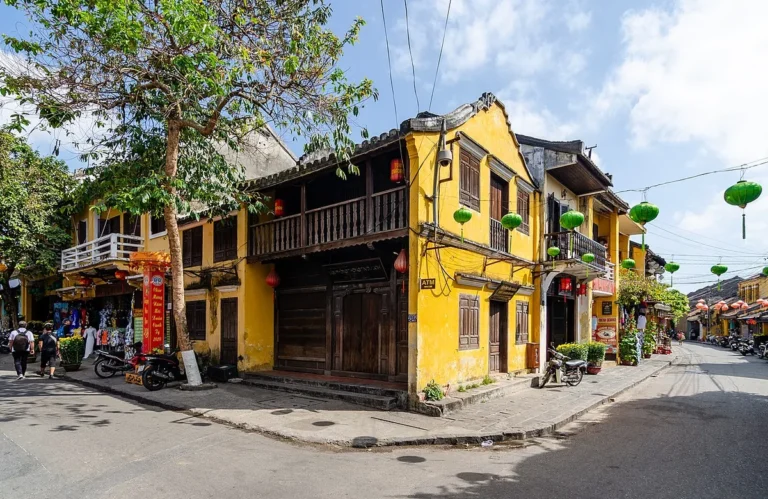
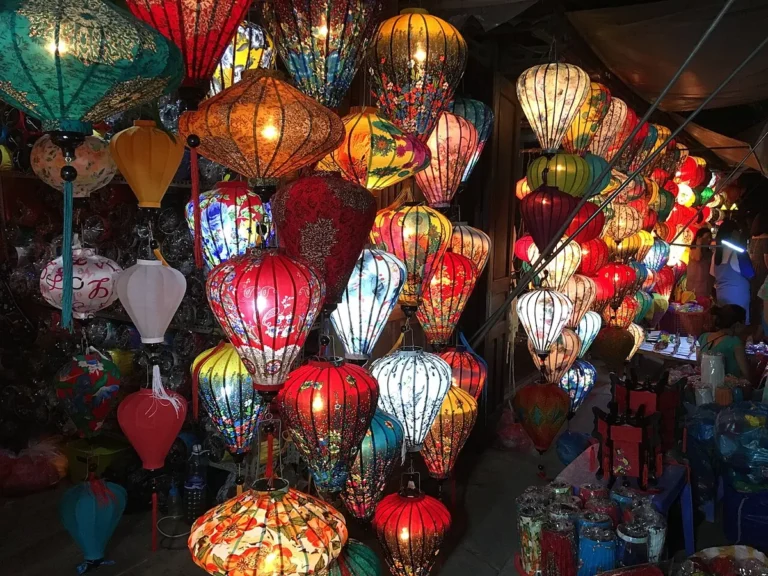
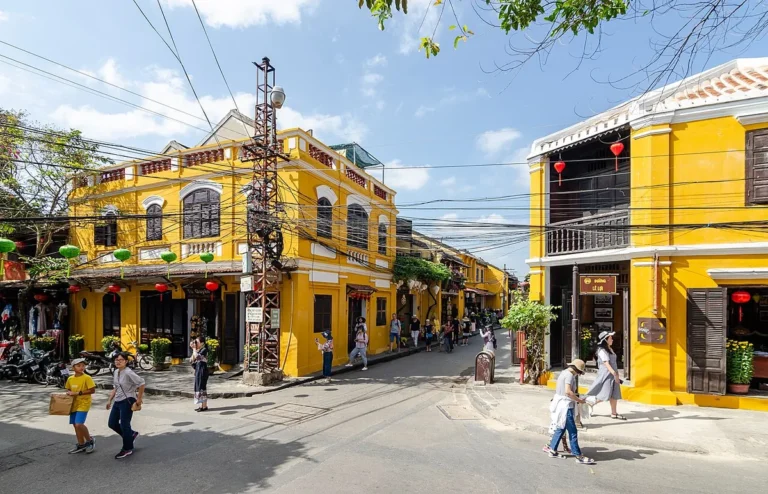
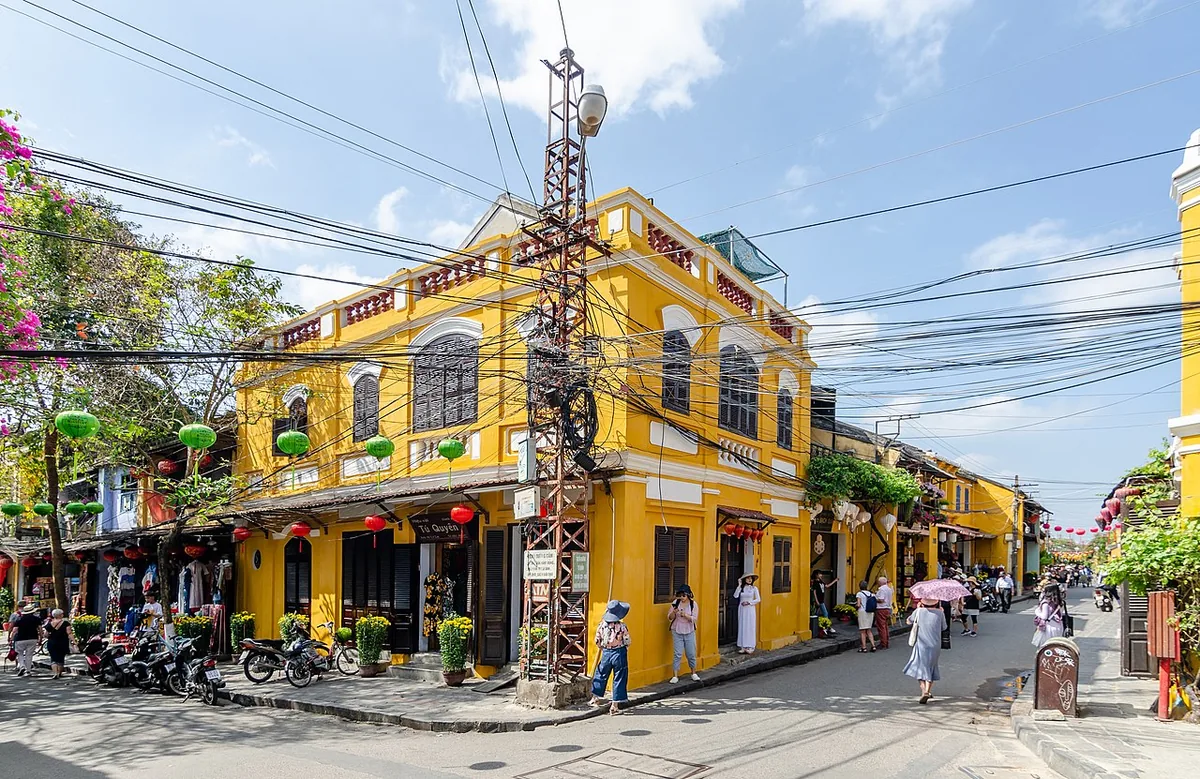
Hoi An is a 15th-century trading port on the central Vietnamese coast, designated a UNESCO World Heritage Site in 1999 for its exceptionally well-preserved townscape. For four centuries, Chinese, Japanese, Dutch, and Portuguese merchants traded silk, ceramics, and spices here, leaving behind a layered architectural legacy that survives almost intact. Today, Hoi An is consistently ranked among the best small towns to visit in Asia — for its food, its tailor shops, its riverside lantern light, and the quality of time it seems to slow down around you.
This Hoi An travel guide covers everything you need to plan your visit: the best time to go, how to get there, what to budget, where to eat, and the local knowledge that makes the difference between seeing Hoi An and actually experiencing it.
Hoi An at a Glance
| Detail | Info |
|---|---|
| Location | Quang Nam Province, central Vietnam |
| Nearest city | Da Nang, 30 km north |
| UNESCO status | World Heritage Site since 1999 |
| Best for | History, food, tailoring, beaches, cycling |
| Best time to visit | February–August (dry season) |
| Average daily budget | $25–$45 (mid-range), $60–$120 (comfort) |
| Minimum stay | 3 nights (4–5 nights recommended) |
| Currency | Vietnamese Dong (VND). 1 USD ≈ 25,000 VND (2024) |
Best Time to Visit Hoi An
Hoi An’s climate divides into a dry season (roughly February to August) and a wet season (September to January). The best months are February, March, and April — warm and dry without the intense heat of June and July (when temperatures regularly exceed 35°C). The shoulder months of May and August offer good conditions with slightly lower tourist volumes.
Avoid October and November if possible — Hoi An is one of the most flood-prone towns in Vietnam, and the Ancient Town can be underwater for days at a time during typhoon season. The floods are dramatic but can seriously disrupt travel. If you go in October–November, buy travel insurance and keep flexible plans.
Hoi An Month-by-Month
| Month | Weather | Crowds | Verdict |
|---|---|---|---|
| Jan | Cool, some rain | Medium | Decent — Chinese New Year period can be festive |
| Feb–Mar | Warm, dry | Low–Medium | Excellent — best overall |
| Apr–May | Warm, dry | Medium | Very good |
| Jun–Aug | Hot (35°C+), dry | High | Good but hot — beach weather |
| Sep | Hot, rain begins | Medium | Acceptable — watch forecasts |
| Oct–Nov | Wet, flood risk | Low | Avoid if possible |
| Dec | Cool, some rain | Medium–High | Festive but can be wet |
How to Get to Hoi An
Hoi An has no airport. The nearest airport is Da Nang International Airport (DAD), 30 km north, with direct flights from Hanoi, Ho Chi Minh City, and international connections including Singapore, Bangkok, and Seoul. Journey time from Da Nang Airport to Hoi An is 45–60 minutes.
Da Nang Airport to Hoi An
- Private car/taxi — Most reliable, especially with luggage. Book through your hotel or a reputable service in advance. Cost: 250,000–350,000 VND ($10–$14). Journey: 45–60 minutes.
- Grab (ride-hailing) — Available from Da Nang Airport. Cost: 200,000–280,000 VND. May have pickup restrictions near the terminal.
- Minibus shuttle — Budget option shared with other passengers, making hotel drop-offs. Cost: 80,000–120,000 VND ($3–$5). Journey: 60–90 minutes with stops.
Getting to Hoi An from Hue or Da Nang by Train
Hoi An has no train station. The closest stations are Da Nang (30 km) and Tam Ky (60 km south). Travel by train to Da Nang or Tam Ky and then take a taxi or bus to Hoi An. The Hanoi–Ho Chi Minh City train line stops at Da Nang, and the Hai Van Pass section of this route — between Hue and Da Nang — is one of the most scenic rail journeys in Vietnam.
Getting Around Hoi An
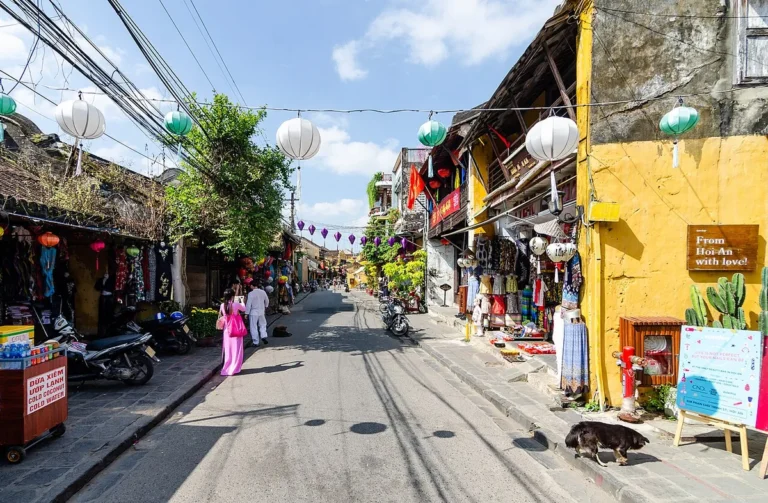
The Ancient Town is pedestrianised in its core and entirely walkable. For the beaches and surrounding villages, a bicycle is the ideal transport — Hoi An is flat, the distances are short (beach is 4–5 km), and cycling through the rice fields and coconut palms is an experience in itself. Daily bicycle hire costs 30,000–50,000 VND ($1.25–$2).
Motorbike taxis (xe om) and electric tuk-tuks (Hoi An’s signature transport) are available throughout town for short trips. Grab works well in the outer areas. Note that motorbikes and cars are banned from the Ancient Town core from 8 AM–11 PM, which keeps the historic streets genuinely pleasant to walk.
Areas of Hoi An
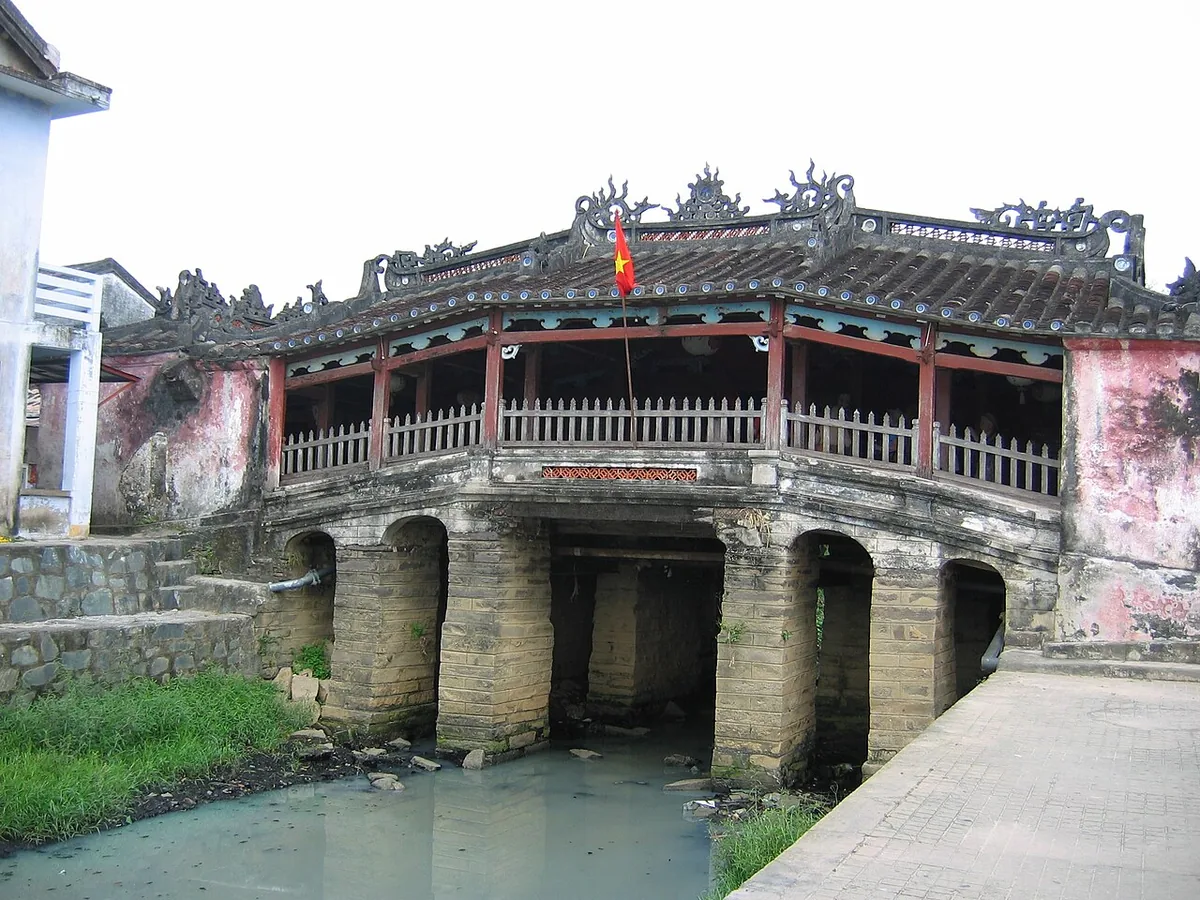
- Ancient Town — The UNESCO-listed historic core. Merchant houses, assembly halls, Japanese Covered Bridge, tailor shops, and restaurants. Most atmospheric and most visited.
- An Bang Beach — 4 km east of the Ancient Town. The most laid-back beach near Hoi An, popular with expats and long-stay travellers. Good cafes and beach bars.
- Cua Dai Beach — 5 km east. Closer to some resorts, but affected by coastal erosion in recent years. Conditions vary.
- Cam Nam Island — A quiet residential island across the Thu Bon River from the Ancient Town. Local restaurants, fewer tourists, excellent value accommodation.
- Cam Thanh — South of town, gateway to the coconut palm waterways and basket boat experiences.
What Does Hoi An Cost?
| Category | Budget | Mid-Range | Comfort |
|---|---|---|---|
| Accommodation/night | $8–$20 | $30–$70 | $90–$250+ |
| Meals (local) | $1.50–$4 | $5–$12 | $15–$30 |
| Bicycle hire/day | $1.25–$2 | $1.25–$2 | — |
| Ancient Town entry ticket | $4.50 (120,000 VND) | $4.50 | $4.50 |
| Tailoring (ao dai/shirt) | $15–$30 | $30–$80 | $100–$300+ |
| Daily total (estimate) | $20–$35 | $50–$90 | $120–$250+ |
What to Eat in Hoi An
Hoi An has its own distinct culinary tradition — the food here is genuinely different from the rest of Vietnamese cuisine, shaped by the town’s trading history and its unique local ingredients. These are the dishes to eat:
- Cao lau — Thick wheat noodles with pork, greens, and crispy croutons. Made authentically only in Hoi An, using water from a specific local well. Do not leave without eating this.
- White rose dumplings (Banh bao vac) — Shrimp-filled dumplings shaped like white roses, served with a crispy shallot garnish. A Hoi An original, made by a single family who supplies most of the town’s restaurants.
- Banh mi — Hoi An’s version of the Vietnamese sandwich is widely regarded as the best in the country. Phuong Banh Mi on Phan Chau Trinh Street has been famous since before Anthony Bourdain visited.
- Com ga Hoi An — Hoi An-style chicken rice: turmeric-infused rice served with poached chicken, fresh herbs, and a sharp dipping sauce.
- Mi Quang — Turmeric noodles with pork, shrimp, quail egg, and crushed peanuts — a central Vietnamese staple best eaten at a street stall.
Essential Tips for Visiting Hoi An
- Buy the Ancient Town ticket — Entry to the UNESCO heritage sites (merchant houses, assembly halls, Japanese Covered Bridge) requires a 120,000 VND ticket. Buy it at the ticket offices, not from touts.
- Order tailor-made clothes early — If you want custom clothing, visit a tailor on your first day. Good tailors need 24–48 hours for quality work. Allow a fitting session and one or two corrections.
- Respect the residential nature of the Ancient Town — Many buildings in the heritage zone are family homes. Peer through open doors but do not enter uninvited.
- Carry small cash — Street food and market vendors are cash-only. ATMs are available but crowded and sometimes out of cash in peak season.
- Watch for flooding in October–November — The Thu Bon River can rise rapidly. Monitor weather and know your guesthouse’s flood protocol if visiting in this period.
Frequently Asked Questions About Hoi An
How many days do you need in Hoi An?
Three nights is the minimum to cover the Ancient Town, at least one day trip (My Son, Tra Que, or the villages), and time at the beach. Four to five nights is the sweet spot — enough for a cooking class, a tailoring appointment, an early morning walk before the crowds, and the slower pace that makes Hoi An genuinely memorable. Many travellers arrive planning three days and extend their stay.

Is Hoi An worth visiting?
Yes — Hoi An consistently ranks among the best towns to visit in Southeast Asia for good reason. The combination of a genuinely intact historic townscape, outstanding food, accessible beaches, and a relaxed local pace is rare. The main caveat is crowds: the Ancient Town is heavily visited in peak season and can feel overrun. Early mornings, late evenings, and the surrounding villages offer relief from the congestion.
What is Hoi An famous for?
Hoi An is famous for its UNESCO-listed Ancient Town, the Japanese Covered Bridge, custom tailoring at low prices, cao lau noodles and banh mi, silk lanterns, and the Thu Bon River’s floating lantern ceremonies. It is also known as a food destination — Hoi An’s cuisine is one of the most distinctive regional food traditions in Vietnam.