Best Things to Do in Hoi An: 11 Experiences Worth Your Time
Hoi An rewards both the traveller who wants to check off heritage sites and the one who wants to sit by a river with Vietnamese coffee and watch the town go past. Its range is unusual: in a single day you can visit a 400-year-old merchant house, take a cooking class using herbs pulled from a local farm, swim in the South China Sea, and watch silk lanterns float on the Thu Bon River after dark. These are the best things to do in Hoi An — chosen for depth and genuine experience, not just spectacle.
1. Explore the UNESCO Ancient Town
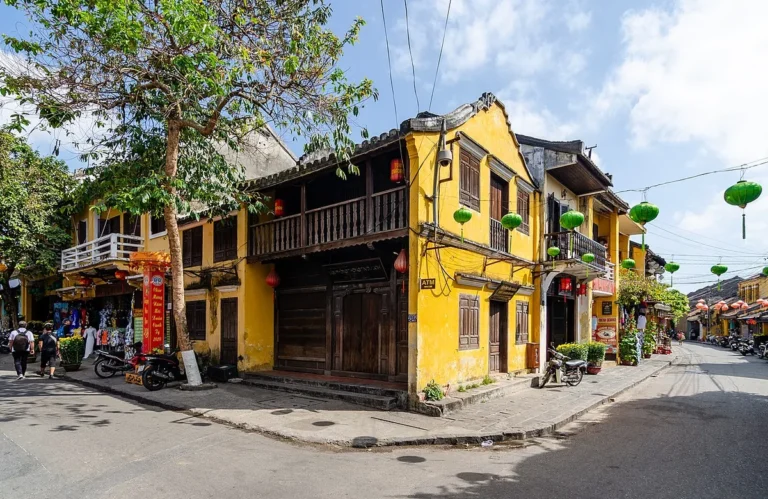
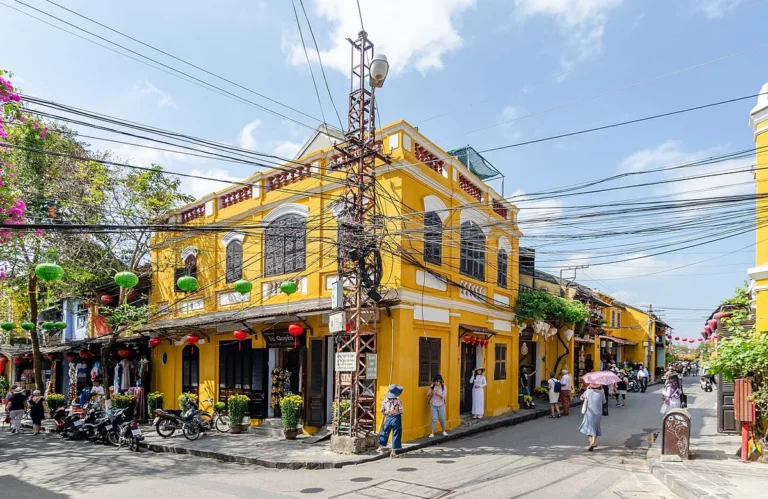
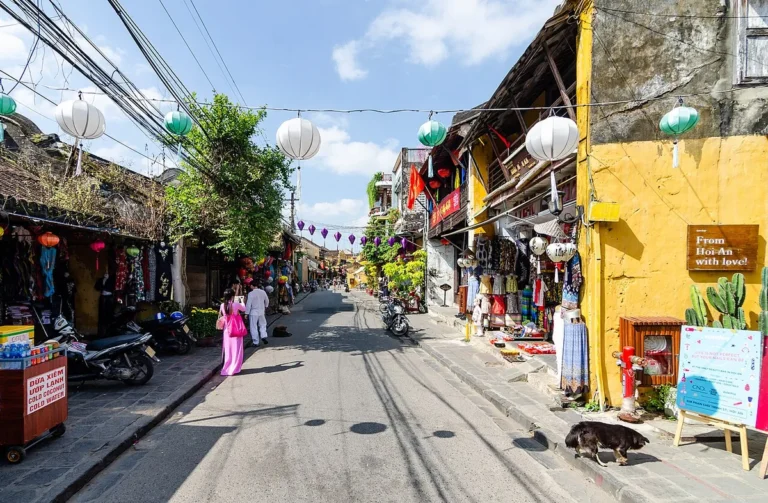
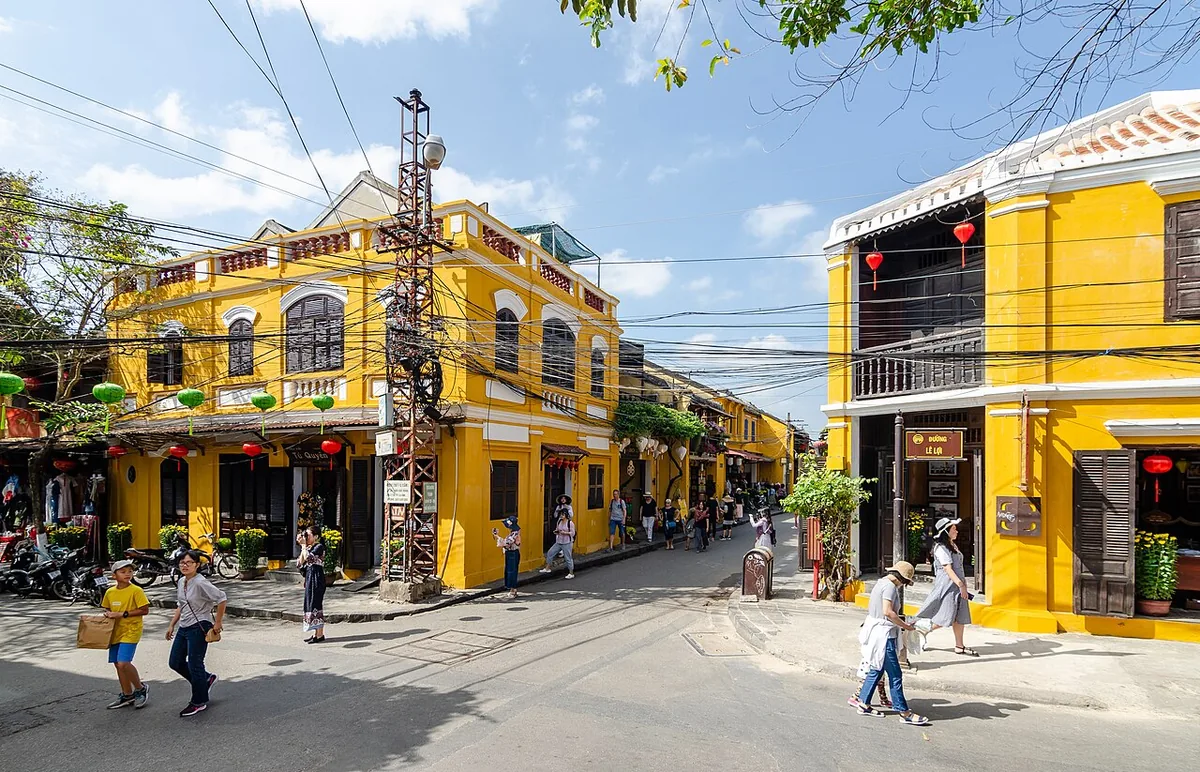
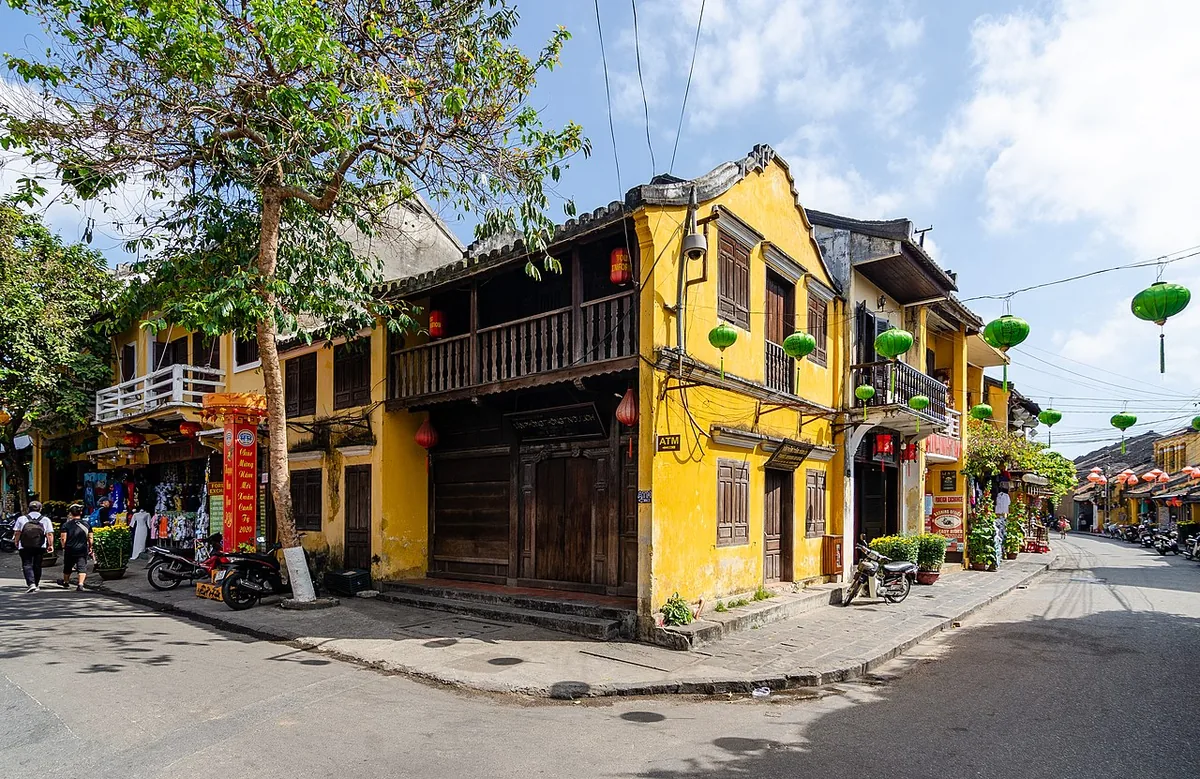
The Ancient Town is the reason most travellers come to Hoi An — and it earns the attention. Over 1,000 preserved buildings from the 15th to 19th centuries survive almost intact, including wooden merchant houses built by Chinese trading families, Japanese-style assembly halls, and French colonial facades layered over older Vietnamese structures. An entry ticket (120,000 VND / ~$4.50) grants access to five heritage sites from a list of 21 — choose based on interest.
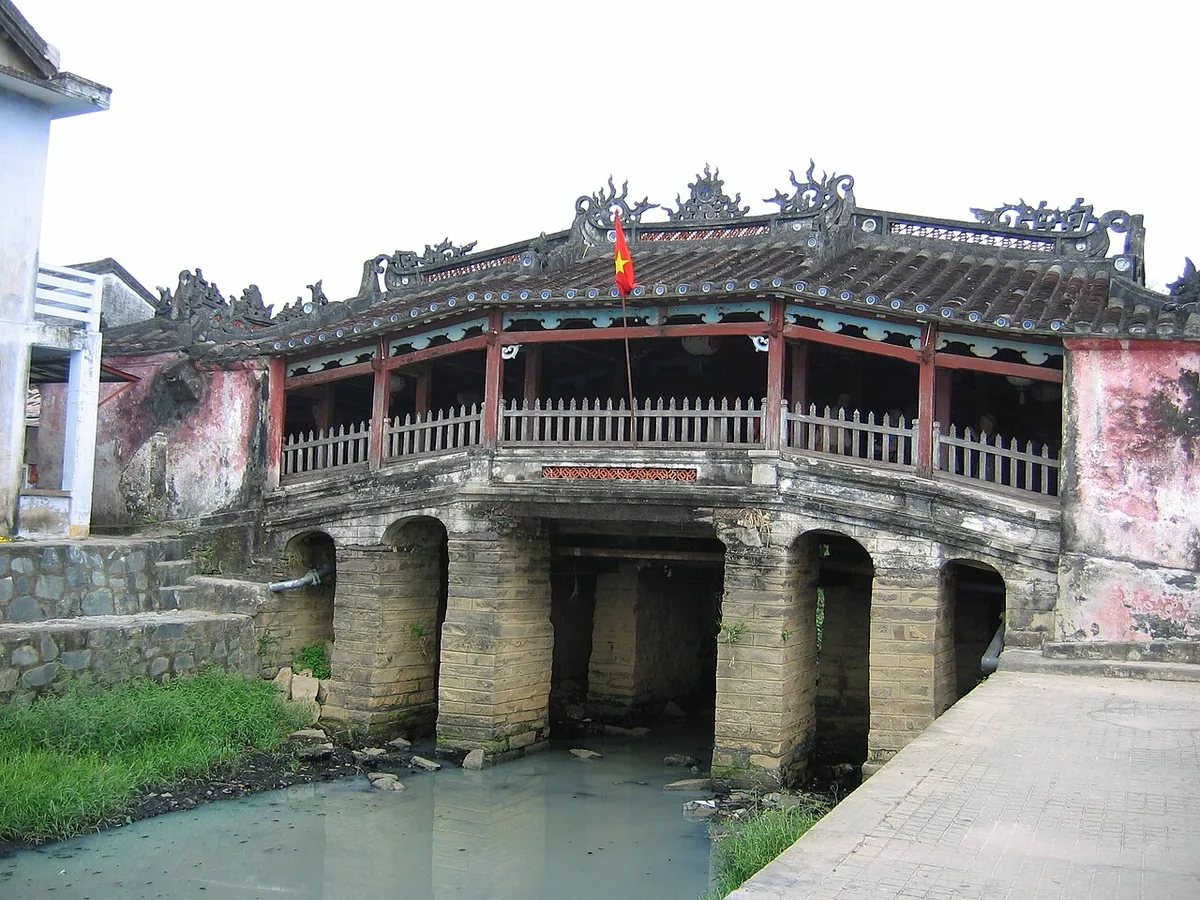
The key sights: Tan Ky Old House (a 200-year-old merchant house with original furnishings), Phuc Kien Assembly Hall (the most ornate of the Chinese assembly halls, built by Fujian traders in 1697), and the Japanese Covered Bridge (a 16th-century covered bridge with a small temple inside, the symbol of Hoi An). Walk the back streets as much as the main ones.
2. Take a Vietnamese Cooking Class
Hoi An is one of the best places in Asia to learn Vietnamese cooking — and one of the most affordable. Most classes begin with a morning market visit or a bicycle ride to Tra Que Vegetable Village to gather ingredients, then move to an open kitchen for 3–4 hours of hands-on cooking. The dishes you learn are the specific Hoi An specialities: cao lau, white rose dumplings, banh xeo (sizzling crepe), and fresh rice paper rolls.
Classes range from $20–$45 per person depending on group size and itinerary. Book in advance during peak months. The Tra Que-based classes offer the best setting and the most authentic ingredient sourcing — you pick the herbs you cook with from plants in the ground.
3. Get Clothes Made by a Tailor
Hoi An has been a tailoring town since the silk trade routes of the 15th century. Today, over 400 tailor shops operate in and around the Ancient Town — but quality varies enormously. A well-made ao dai (Vietnamese traditional dress), custom suit, or silk shirt from one of Hoi An’s better tailors represents extraordinary value: prices for custom garments start at $15–$30 for simple items and $80–$200 for a tailored suit.
The key rule: allow enough time. Quality tailoring requires a proper fitting and at least one revision. Visit on your first day, not your last. Research recommended tailors before you arrive — ask in travel forums for current recommendations, as quality and management change over time.
4. Watch the Lantern Festival on the 14th of Each Lunar Month
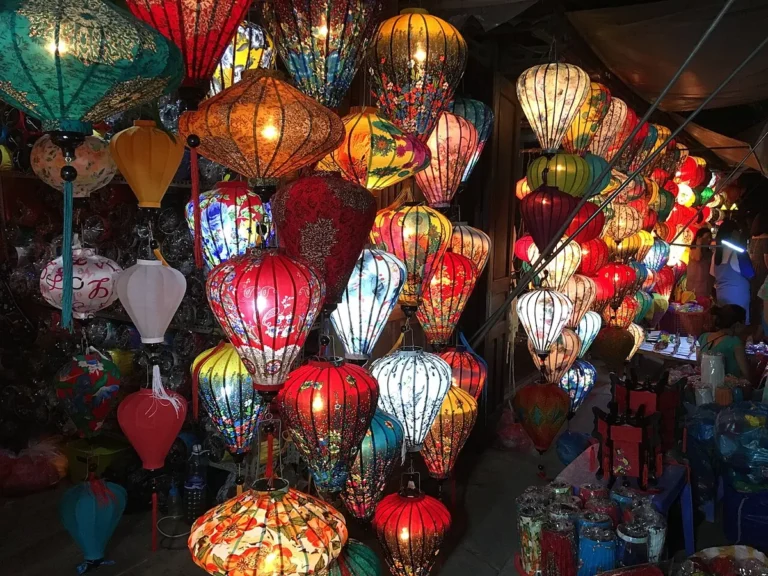
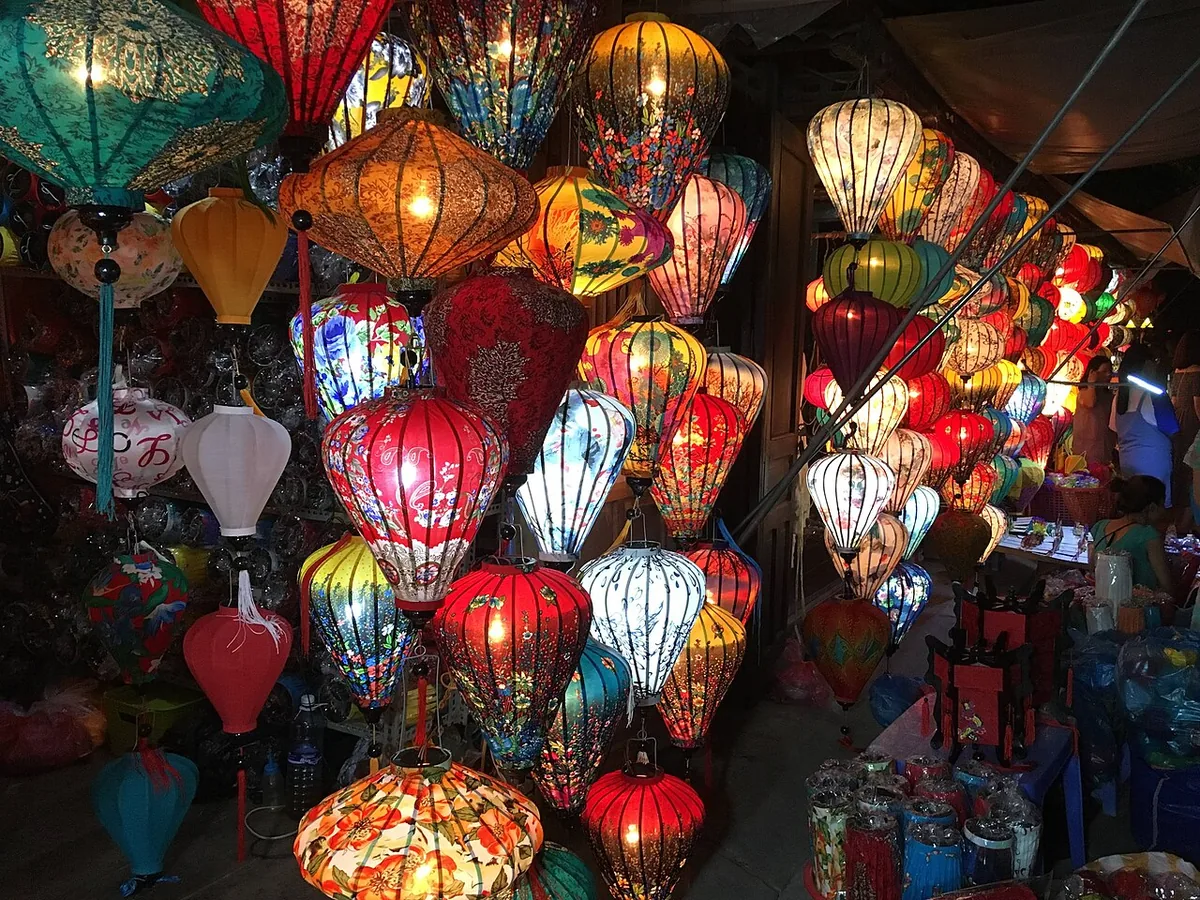
On the 14th night of each lunar month (the full moon), Hoi An turns off its electric lights in the Ancient Town and illuminates the streets with hundreds of silk lanterns. Locals float paper lotus lanterns on the Thu Bon River while traditional music fills the streets. It is genuinely one of the most beautiful spectacles in Southeast Asia — and it happens every month.
Check the lunar calendar before you book your trip and try to time your stay to include this night. The festival runs from early evening until around 10 PM. Buy your paper lantern from a local vendor (10,000–20,000 VND), write a wish on it, and float it on the river with everyone else.
5. Cycle to Tra Que Vegetable Village
Three kilometres north of the Ancient Town, Tra Que is a working organic farm that has supplied Hoi An’s kitchens with herbs and vegetables for centuries. The flat bicycle ride through rice fields and vegetable plots is beautiful in the early morning. At the village, you can join farmers in the plots, learn about traditional growing methods, and take part in one of the cooking classes that source their ingredients directly from the plants here.
Even without a cooking class, the bicycle ride to and from Tra Que — through the agricultural landscape north of the Ancient Town, past fish farms and lotus ponds — is worth doing for its own sake. Allow 2–3 hours for the round trip with time to walk the farm.
6. Eat Your Way Through Hoi An’s Street Food
Hoi An has one of the most distinctive regional food traditions in Vietnam, and eating through it is itself one of the best things to do in town. The essential dishes — cao lau, white rose dumplings, banh mi, com ga Hoi An, and mi Quang — are all available from small local stalls and restaurants at prices that make eating four meals a day a reasonable proposition.
The best cao lau is at small local restaurants near the central market, not the tourist-facing restaurants on the main streets. The best banh mi (by wide consensus) is at Phuong Banh Mi on Phan Chau Trinh — open from early morning until the bread runs out. The best white rose dumplings come from the single family that makes them for distribution across the town.
7. Take a Basket Boat Ride Through the Coconut Palm Forest
South of Hoi An, the Thu Bon delta opens into a maze of narrow waterways winding through dense coconut palm forests. Local fishermen navigate these channels in traditional round basket boats (thung chai), and tours of the area by basket boat are one of the most unusual and enjoyable experiences in the region. Experienced boatmen spin and weave the round boats through the narrow channels — it looks precarious, but they are entirely in control.
Most tours (150,000–250,000 VND per person) include a crab-fishing demonstration, traditional music performed on the water, and a fresh seafood lunch. Book through your guesthouse or a local operator in Cam Thanh village. Morning is best before the heat peaks.
8. Day Trip to My Son Sanctuary
My Son, 40 km west of Hoi An, is a complex of Hindu temple towers built by the Cham people between the 4th and 13th centuries. It is one of the most significant archaeological sites in Southeast Asia — a UNESCO World Heritage Site that predates Angkor Wat by several centuries. Despite heavy bombing damage in the Vietnam War, enough of the site survives to be deeply impressive.
Most visitors join a tour (from $10–$15), but renting a motorbike and arriving at opening (7 AM) before the group tours arrive is a far better experience. Hire a local guide on-site for $5–$10 — the historical context transforms the visit. Allow half a day including the drive.
9. Swim at An Bang Beach
An Bang Beach, 4 km east of the Ancient Town, is the best beach near Hoi An — wide, relatively uncrowded by Vietnamese beach standards, and backed by a strip of relaxed cafes and bars rather than the high-rise hotels that dominate other Vietnamese beach resorts. The South China Sea here is warm (26–30°C) from March to October and the waves are gentle enough for swimming and paddling.
Go on a weekday morning for the best experience. The 15-minute bicycle ride from the Ancient Town is flat and passes through coconut groves and small villages. Several beach bars offer sunbeds, fresh coconuts, and good food at reasonable prices. Sunrise on An Bang Beach — before anyone else arrives — is a Hoi An experience worth setting an alarm for.
10. Visit Kim Bong Carpentry Village
Kim Bong, across the Thu Bon River from the Ancient Town, is a carpentry village whose craftsmen built the wooden architecture you see throughout Hoi An’s heritage district. A short ferry crossing (5,000 VND) takes you into a village of open-fronted workshops where traditional woodcarving and joinery has been practised for 500 years. Prices for handmade items are significantly lower than the Ancient Town shops, and buying directly from the craftsmen who made something adds a dimension no souvenir shop can match.
11. Take a Sunrise Bicycle Ride Through the Countryside
Rent a bicycle and head out of the Ancient Town before 6 AM — west along the Thu Bon River, north toward Tra Que, or east toward An Bang Beach through the coconut palm lanes. Hoi An’s surrounding countryside is flat, bicycle-friendly, and extraordinarily beautiful in the early light. Farmers are heading to the fields, cooking fires are starting in village kitchens, and the traffic is nonexistent.
This is the Hoi An that most visitors miss entirely — the working agricultural world surrounding the Ancient Town, visible only to those who get up early enough and go far enough to find it. Bicycle hire costs 30,000–50,000 VND ($1.25–$2) for the day. Take it and go.
Practical Tips for Getting the Most from Hoi An
- Buy the Ancient Town ticket early — Get your 120,000 VND ticket on arrival. It covers five heritage site entries and is valid for a day.
- Book the cooking class before you arrive — Quality classes fill up in peak season. Book 3–5 days ahead.
- Time your visit around the full moon — The monthly lantern festival is the most atmospheric night in Hoi An. Check the lunar calendar when planning your trip dates.
- Visit the tailor on day one, not day three — Allow time for fittings and alterations. The best tailors are busy — go early in your stay.
- Eat where locals eat — The best cao lau, banh mi, and com ga in Hoi An are not in the restaurants on Tran Phu Street. They are in the lanes near the central market and on Phan Chau Trinh. Follow the locals at breakfast time.