3 Days in Hoi An: The Perfect Itinerary for First-Time Visitors
Three days in Hoi An is exactly the right amount of time to experience the Ancient Town properly, visit the most important surrounding sites, spend a morning at the beach, and eat your way through the town’s distinctive culinary tradition. This itinerary is structured to see the main sights without rushing, with early starts on the days that reward them most and slower afternoons built in deliberately — because Hoi An at its best is not a place to rush through.
It works for first-time visitors and is designed around the town’s rhythms: when the crowds arrive, when the light is best, and when the experiences that define Hoi An are at their most genuine.
Day 1: Ancient Town and Cultural Orientation
Early Morning: The Ancient Town Before the Crowds
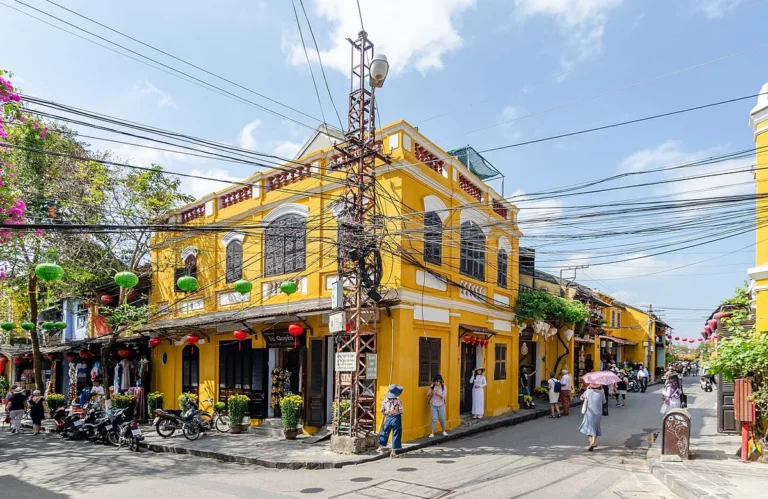
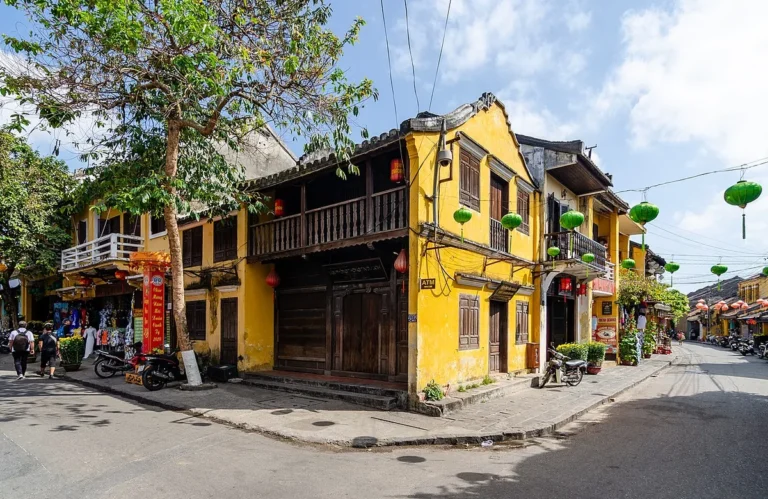
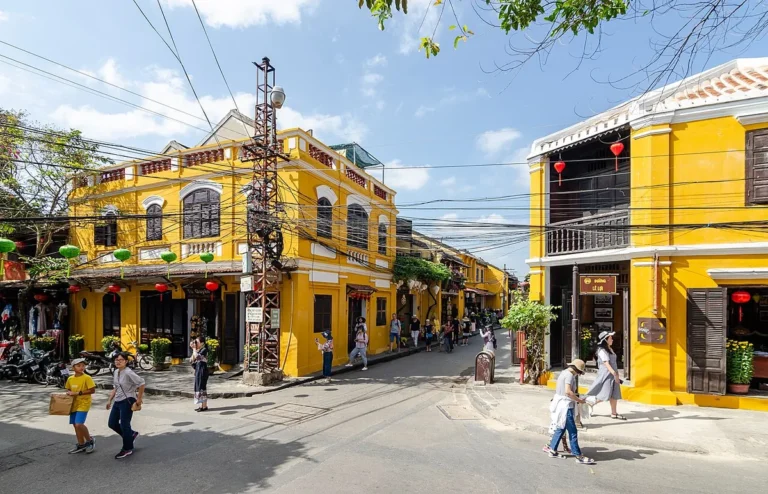
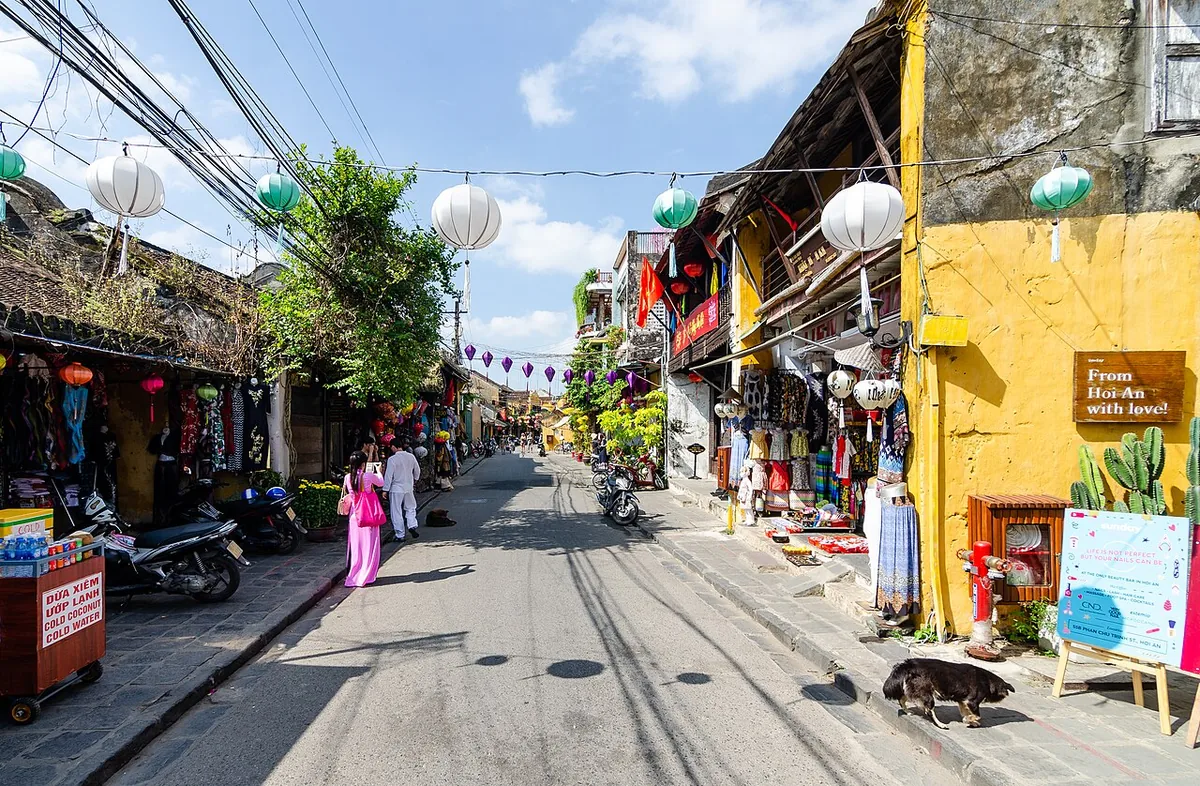
Wake up early and walk the Ancient Town before 7:30 AM. This is not a suggestion — it is the single most important timing decision of your trip. The streets that are clogged with tour groups by 9 AM are yours alone at dawn. The golden merchant houses, the lantern-hung lanes, the Japanese Covered Bridge reflected in the Thu Bon River: all of it looks completely different with no one else in it.
Walk Tran Phu Street, cross the Japanese Covered Bridge, and follow Bach Dang Street along the riverside to watch fishing boats and early market traffic on the water. Stop for pho or banh mi from one of the small stalls opening for the day. Budget 1.5 hours for this morning walk — it sets the tone for everything.
Morning: Heritage Sites and Tailor Visit
Buy your Ancient Town entry ticket (120,000 VND) and visit two or three heritage sites during the morning. Recommended combination: Tan Ky Old House (a 200-year-old merchant home, the best-preserved in Hoi An), Phuc Kien Assembly Hall (the most ornate of the Chinese assembly halls, built by Fujian traders in 1697), and the Japanese Covered Bridge (included in the ticket, the most photographed structure in Hoi An).
After the heritage sites, visit a tailor. Do this on Day 1, not Day 3 — custom clothing needs 24–48 hours minimum for quality work, with a fitting and at least one correction. Research recommended tailors before arriving and go with a clear idea of what you want and your budget. The best tailors on Nguyen Thai Hoc and Tran Hung Dao Streets are worth the slightly higher prices.
Afternoon: Central Market and Cooking Class
After lunch at a local restaurant near the market (try com ga Hoi An — turmeric chicken rice — at the small stalls on Phan Chau Trinh), spend the afternoon at a Vietnamese cooking class. Many afternoon classes begin at 2 PM and run until 6 PM, covering 3–4 Hoi An dishes. You eat what you cook as your dinner. This is the most efficient and enjoyable use of a Hoi An afternoon.
Evening: Lantern Festival (If Timed Right)
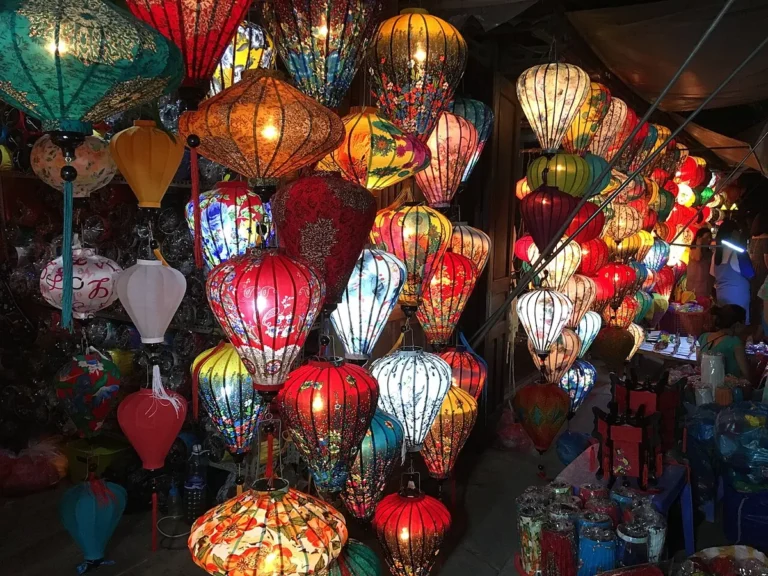
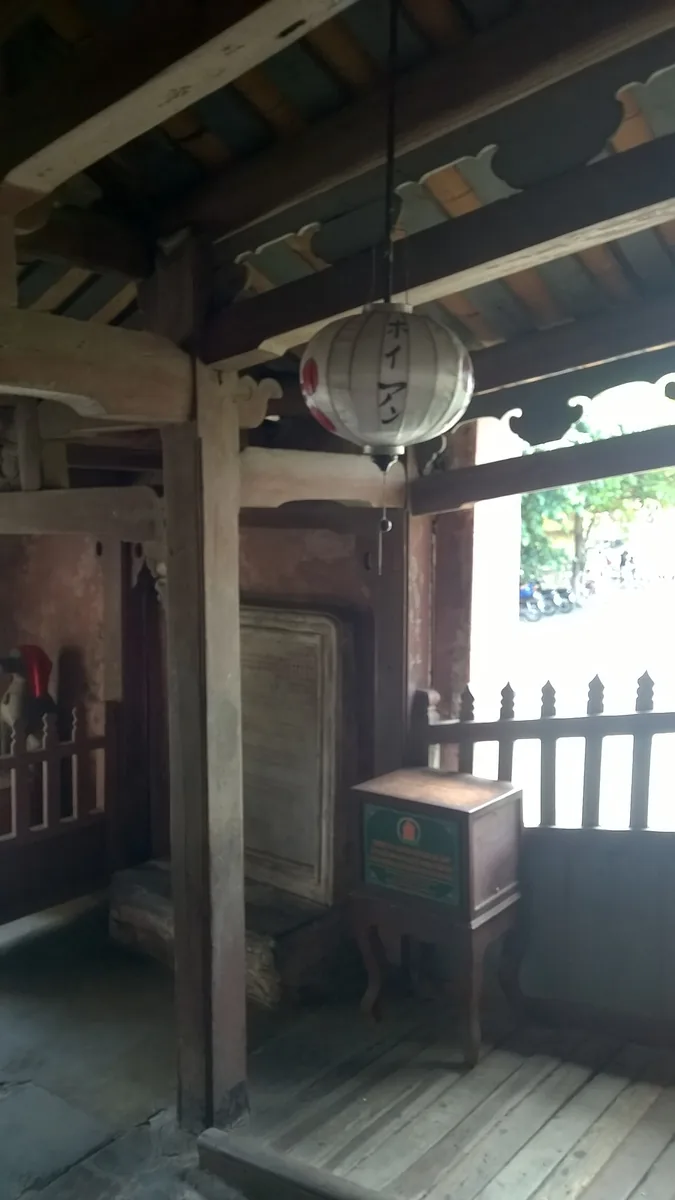
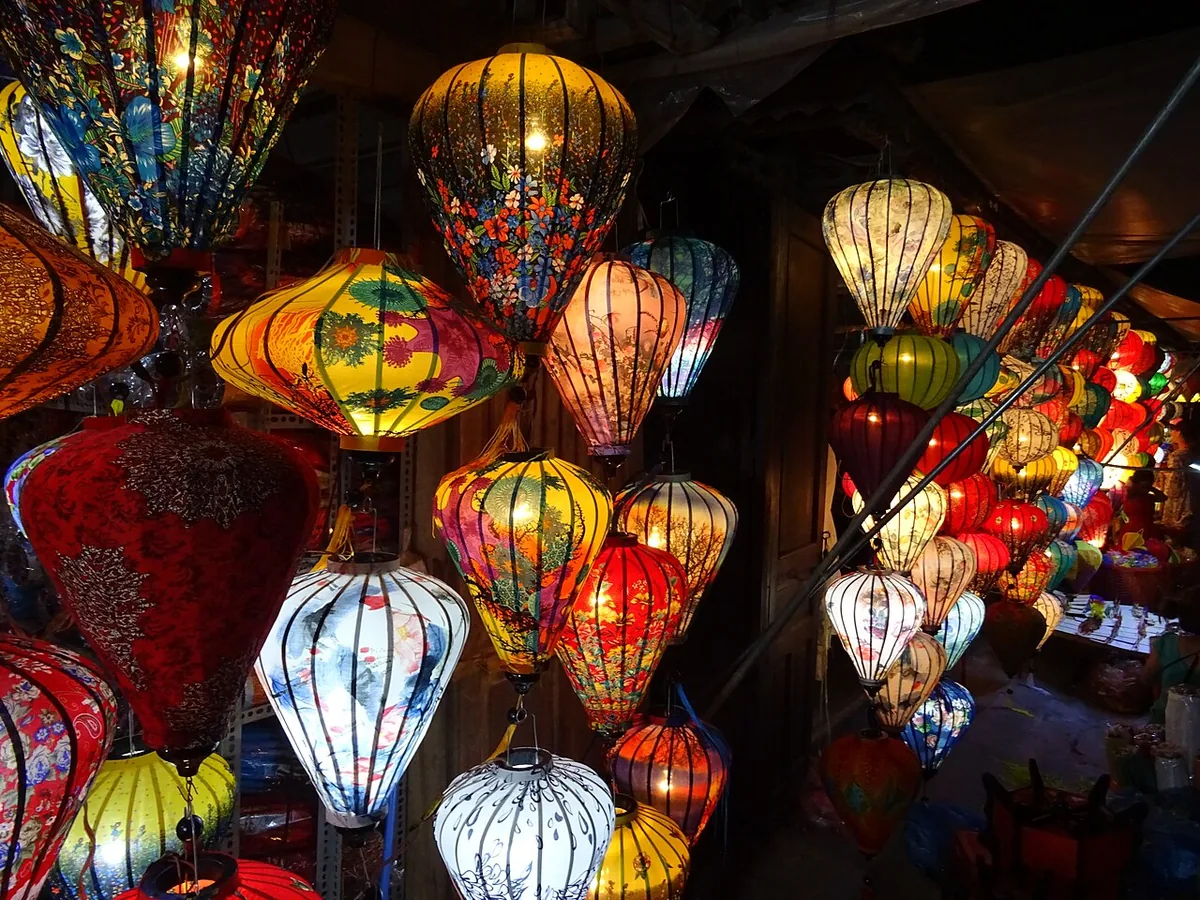
If your visit coincides with the 14th night of the lunar month (the full moon), your first evening will be the monthly lantern festival — the Ancient Town lit entirely by silk lanterns, paper lotus boats floating on the Thu Bon River, and traditional music on the streets. It is extraordinary. Check the lunar calendar when planning your dates; timing a stay around this night is worth the effort.
On other evenings, the riverside restaurants between the Ancient Town and the An Hoi bridge are the best setting for dinner. Choose a table facing the water and order fresh seafood or local specialities as the lanterns come on across the river.
Day 2: Villages, Waterways, and Beach
Morning: Tra Que Village and Bicycle Ride
Rent a bicycle at your guesthouse (30,000–50,000 VND/day) and cycle north toward Tra Que Vegetable Village, 3 km from the Ancient Town. Leave by 7:30 AM while the air is cool and the fields are in morning light. At Tra Que, walk through the organic plots, watch the farmers at work, and understand where much of Hoi An’s distinctive herb-heavy cuisine comes from.
If you booked a morning cooking class based at Tra Que, this is the day for it — classes begin with a walk through the farm and transition to the kitchen. Budget the full morning (8 AM–12 PM) and the class price ($25–$40) for this experience.
Midday: Basket Boat Tour in the Coconut Forest
After Tra Que, continue south by bicycle or tuk-tuk to Cam Thanh Village for a basket boat tour through the coconut palm waterways. The 1.5–2 hour trip covers a network of narrow channels through dense palm forest, with a crab-fishing demonstration and often a traditional music performance on the water. Lunch of fresh seafood follows at a riverside restaurant.
Book through your guesthouse or a local operator. Cost: 150,000–250,000 VND per person including lunch. This is one of the most distinctively Vietnamese experiences in the Hoi An area — and one of the most entertaining.
Afternoon: An Bang Beach
Cycle east from Cam Thanh to An Bang Beach (about 4 km). Arrive mid-afternoon when the light is softening and claim a sunbed at one of the beach bars. Swim, read, order fresh coconuts, and decompress. The South China Sea at An Bang is warm and calm enough for comfortable swimming from March to October.
Stay for sunset — the sky over An Bang Beach at the end of the day is one of Hoi An’s quieter spectacular moments. Cycle back to the Ancient Town after dark (the route is well-lit and flat). Total cycling for the day: approximately 12–15 km, entirely flat.
Evening: Hoi An Night Market
Spend the evening at the Hoi An Night Market on Nguyen Hoang Street on the An Hoi peninsula. Walk past the lantern stalls toward the local food section at the An Hoi bridge end, where Vietnamese families eat at plastic stall tables beside the river. Eat here rather than the tourist restaurants: grilled skewers, fresh spring rolls, and banh xeo (sizzling crepe) cost 20,000–40,000 VND per item.
Day 3: My Son and a Slow Farewell
Early Morning: My Son Sanctuary
Leave your hotel by 6:30 AM for the 40 km drive west to My Son Sanctuary. Rent a motorbike (120,000–150,000 VND/day with basic insurance) or join a small group tour. Arriving at the 7 AM opening puts you at the ancient Cham temple complex before the group tours that dominate the site by 9–10 AM.
My Son is a complex of Hindu towers and shrines built between the 4th and 13th centuries by the Cham kingdom — a UNESCO World Heritage Site predating Angkor Wat. The site was heavily damaged by US bombing in 1969 (a detail the site does not shy away from), but the surviving towers and the jungle-valley setting are genuinely impressive. Hire a local guide on-site for 100,000–150,000 VND — the historical context is essential.
Afternoon: Kim Bong Carpentry Village and the River
Return to Hoi An by midday. After lunch, take the short ferry crossing (5,000 VND) to Kim Bong Carpentry Village on the south bank of the Thu Bon River. Walk between the open-fronted workshops, watch craftsmen carving the same wooden architectural forms that appear throughout the Ancient Town, and buy directly from the makers at prices well below the town’s retail shops.
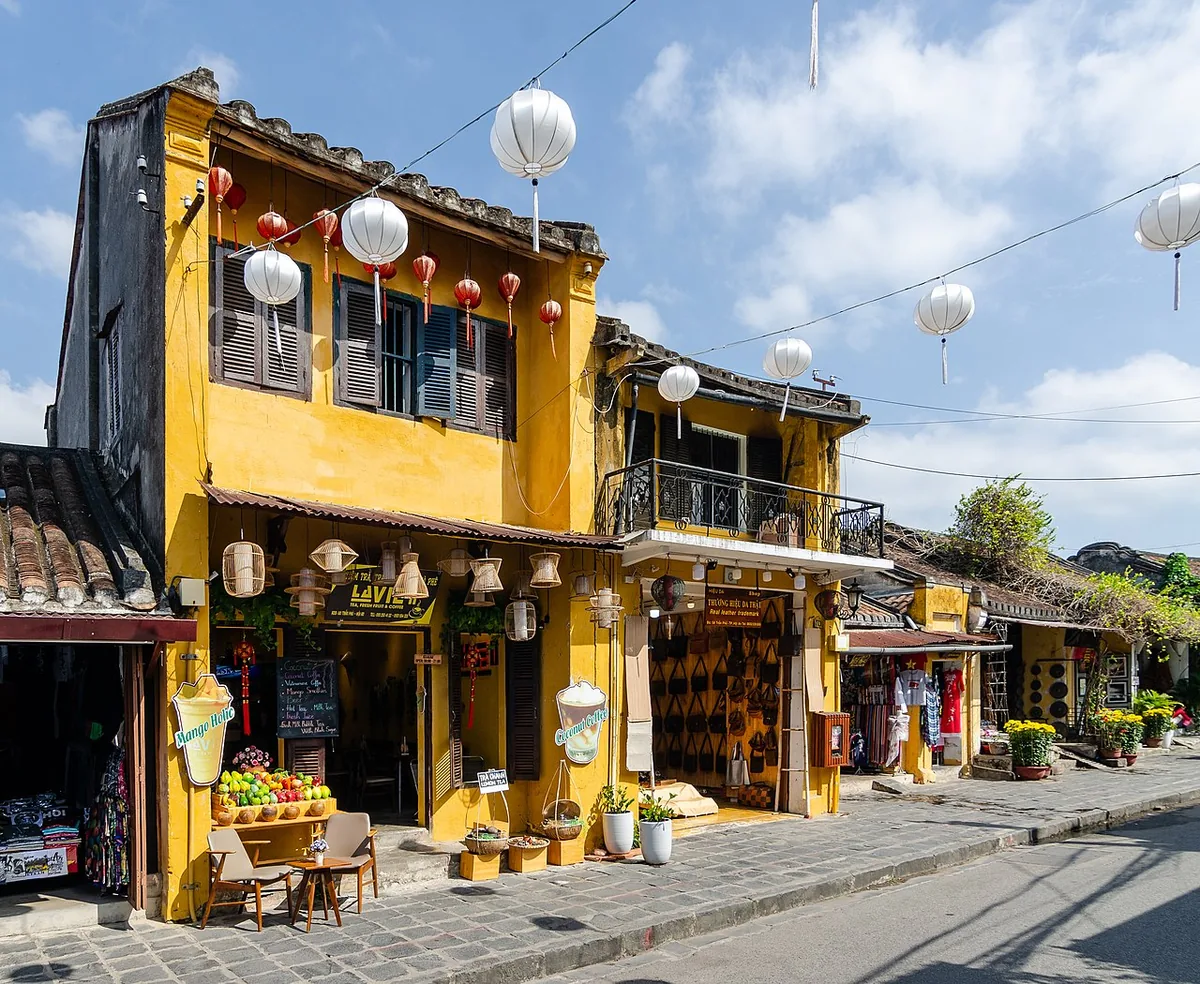
Return by ferry and spend the late afternoon walking the Ancient Town’s back streets — Phan Boi Chau, the lanes near the central market, the neighbourhood behind the Japanese Covered Bridge. These quieter streets, combined with the long light of late afternoon, offer the most atmospheric conditions for photography and unhurried observation of the town.
Final Evening: Dinner and a Last Walk
For a final evening, eat at a local restaurant rather than a tourist-facing one. The area around the covered market on Tran Phu and the street food stalls on Phan Chau Trinh give you Hoi An’s real food at local prices. Order cao lau one more time — the noodle dish made authentically only in Hoi An, with water from a specific well and pork braised in a way that cannot quite be replicated anywhere else.
Walk the river one last time after dinner, watch the lanterns reflect on the Thu Bon, and make a note to come back. Hoi An is one of those places where three days leaves you with a clear picture of what four more days would look like — and a strong desire to take them.
3-Day Hoi An Itinerary: Quick Reference
| Day | Morning | Afternoon | Evening |
|---|---|---|---|
| Day 1 | Ancient Town at dawn + heritage sites + tailor visit | Cooking class | Riverside dinner (lantern festival if full moon) |
| Day 2 | Tra Que Village by bicycle | Basket boat + coconut forest + An Bang Beach | Hoi An Night Market food stalls |
| Day 3 | My Son Sanctuary (early start) | Kim Bong carpentry village + Ancient Town back streets | Final cao lau dinner + river walk |
Practical Notes for This Itinerary
- Book the cooking class before you arrive — Quality classes fill up in peak season (Feb–Aug). Book 3–5 days ahead online.
- Rent a bicycle from Day 1 — You will use it every day. Most guesthouses rent bicycles for 30,000–50,000 VND/day or include them free.
- Carry the ancient town ticket — Heritage site staff check tickets at each entrance. Keep it with you for Day 1.
- For Day 3, start early — The drive to My Son takes 45–60 minutes. Leave by 6:30 AM to arrive at opening and avoid the tour bus crowds.
- Check the lunar calendar — If your Day 1 evening falls on the 14th of the lunar month, you hit the lantern festival. Adjust the itinerary to make sure you are in the Ancient Town that evening.
Frequently Asked Questions: Hoi An Itinerary
What is the best way to spend 3 days in Hoi An?
Spend Day 1 in the Ancient Town — heritage sites, tailor visit, and a cooking class. Use Day 2 to explore the surrounding villages and beach by bicycle. Spend Day 3 on a day trip to My Son Sanctuary followed by a relaxed afternoon in the town. Early mornings are consistently the best time for the Ancient Town; evenings are best for the riverside and night market.
Do I need a motorbike or bicycle for this Hoi An itinerary?
A bicycle handles Days 1 and 2 comfortably — Hoi An’s surroundings are flat and the distances are short (Tra Que 3 km, An Bang Beach 4 km, Cam Thanh 5 km). Day 3’s My Son trip requires either a motorbike, a tour minibus, or a private car. Motorbike hire (120,000–150,000 VND/day) is the most flexible option; a guided tour ($10–$15) handles the logistics if you do not want to ride.
Is Hoi An worth 3 full days?
Yes — and many travellers wish they had four or five. Three days covers the essential Hoi An experience: the Ancient Town, the surrounding villages, the beach, the food, and the My Son day trip. A fourth day could be dedicated to the more remote villages of the Quang Nam province, a full-day boat trip on the Thu Bon River, or simply the slower Hoi An rhythm of markets, coffee, and unscheduled wandering that the town does best.