Best Hikes Near Bozeman Montana: Guide for All Levels (2026)
Bozeman, Montana is surrounded by some of the finest hiking terrain in North America. The Bridger Mountains to the north, the Gallatin Range to the south, the Beartooth Plateau to the east, and the vast Custer Gallatin National Forest in every direction provide hikes near Bozeman Montana for every fitness level and every season. This guide covers the best day hikes near Bozeman, from easy family walks to challenging summit scrambles.

Hyalite Canyon: Bozeman’s Backyard Hiking
Hyalite Canyon Recreation Area, 12 miles south of Bozeman off Hyalite Canyon Road, is the most-visited hiking destination near the city. The area encompasses dozens of trails ranging from the easy Palisade Falls walk to multi-day backpacking routes into the Gallatin Range. The Hyalite Reservoir serves as the central hub, with trails radiating in multiple directions.
Palisade Falls Trail (Easy)
Distance: 1.6 miles round trip. Elevation gain: 150 feet. This is the most accessible hike in Hyalite Canyon and one of the most visited trails near Bozeman. The trail follows a creek through lodgepole pine forest to a beautiful 80-foot waterfall. Suitable for all fitness levels and families with children aged 3 and up. The path is well-maintained and partially accessible by stroller for the first half mile.
Hyalite Lake Trail (Moderate)
Distance: 9 miles round trip. Elevation gain: 1,200 feet. The Hyalite Lake Trail climbs from the reservoir through alpine meadows to a pristine mountain lake at 8,700 feet, with panoramic views of the Gallatin Range. This is one of the finest full-day hikes near Bozeman and suitable for fit hikers of all experience levels. Wildflowers peak in late July and early August.
Grotto Falls (Moderate)
Distance: 4 miles round trip. Elevation gain: 600 feet. Grotto Falls drops 25 feet into a mossy grotto that is one of Bozeman’s most photogenic hiking destinations. The trail passes through mixed forest and crosses Hyalite Creek multiple times. Best visited in late spring and early summer when water levels are highest.
Bridger Mountains Hikes: The City’s Northern Backyard
The Bridger Mountains rise directly north of Bozeman and provide Bozeman’s most dramatic close-at-hand hiking. The ridge of the Bridgers is visible from most of downtown — an immediate, constant reminder of the terrain available within 30 minutes of the city.
M Trail (Easy to Moderate)
Distance: 3.2 miles round trip. Elevation gain: 700 feet. The M Trail switchbacks up the face of the Bridger Mountains to the large letter M carved into the hillside — a Montana State University landmark visible from downtown Bozeman. The summit of the M provides one of the best views over the Gallatin Valley. This is the most popular hiking trail near Bozeman proper and suitable for reasonably fit beginners.
Bridger Ridge Run Trail (Strenuous)
Distance: 18 miles one way (typically done as a shuttle hike). Elevation: varies along ridge, reaching 9,000+ feet. The Bridger Ridge is an iconic Bozeman trail running along the crest of the mountains for extraordinary views of the Gallatin Valley, Yellowstone Country, and on clear days, the Beartooth Plateau. The full ridge traverse is a serious undertaking requiring trail running or fast-hiking ability. Shorter out-and-back sections are accessible from multiple trailheads.
Beartooth Area Hikes from Bozeman

The Beartooth Plateau east of Bozeman (accessed via the Beartooth Highway, US-212) offers alpine hiking at elevations above 10,000 feet on vast tundra landscapes. The hikes here feel genuinely remote even though some trailheads are accessible by car. The season is short — typically July through September — but the terrain and views are extraordinary.
Beartooth Lake and Island Lake Area
Several trailheads near Beartooth Lake and Island Lake (along the Beartooth Highway, about 1.5 hours east of Bozeman) access easy-to-moderate alpine hikes above 9,000 feet. These walks through tundra with wildflowers, alpine lakes, and mountain views are among the most accessible high-elevation hiking experiences near Bozeman. Bring layers — wind and cold weather can arrive without warning even in midsummer.
Easy Hikes Near Bozeman for Beginners
| Trail | Distance | Difficulty | Best Feature |
|---|---|---|---|
| Palisade Falls | 1.6 mi RT | Easy | 80-foot waterfall |
| M Trail (to the M) | 2 mi RT | Easy-Moderate | City views, iconic MSU landmark |
| Gallatin River Trail | Varies | Easy | River scenery, wildlife |
| Leverich Canyon Trail | 4 mi RT | Easy-Moderate | Near Bozeman, forested canyon |
| Bozeman Creek Trail | Varies | Easy | City-accessible, good for dogs |
Bozeman Hiking Tips and Essentials
- Bear country: carry bear spray on all Bozeman-area trails — grizzly bears are present in the Gallatin and Bridger ranges
- Water: most trails have stream crossings but always carry 2+ liters of treated water
- Altitude: Bozeman sits at 4,820 feet, trailheads start at 5,000-7,000 feet — altitude affects visitors from sea level
- Weather: afternoon thunderstorms are common June-August; plan to be below treeline by 1pm
- Permits: most Hyalite and Bridger trailheads require a Northwest Forest Pass ($5/day or $30 annual)
- Ticks: check thoroughly after hiking in lower-elevation brush areas in spring and early summer
- Dogs: allowed on most Bozeman-area trails on leash; some wilderness areas have restrictions
- Maps: download offline maps (CalTopo, AllTrails) before hiking — cell service is nonexistent in canyons
Bozeman Hikes by Season
| Season | Best Hikes | Conditions |
|---|---|---|
| Spring (April-May) | Lower Hyalite, M Trail, Leverich Canyon | Muddy, wildflowers emerging, avoid snow above 6,000ft |
| Summer (June-August) | All hikes including alpine routes | Best conditions, wildflowers peak July, afternoon storms |
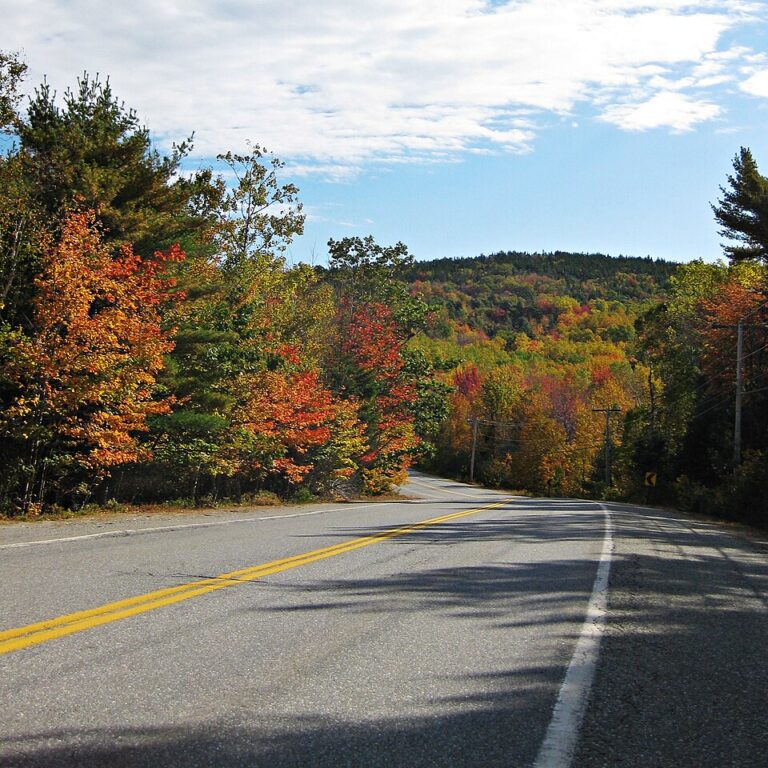
| Fall (September-October) | All hikes, Beartooth best for color | Cool, fewer crowds, elk rut (respect distance) |
| Winter (November-March) | Hyalite Canyon snowshoe, M Trail (ice) | Snowshoes or microspikes required above 5,500ft |
Frequently Asked Questions: Hikes Near Bozeman Montana
What is the best hike near Bozeman Montana?
For most visitors, the Hyalite Lake Trail (9 miles, 1,200 feet gain) offers the best combination of accessibility, scenery, and achievement. The M Trail is the best short hike near downtown Bozeman for views. Palisade Falls is the best hike for families with young children.
Are there grizzly bears on trails near Bozeman?
Yes. Grizzly bears are present in the Gallatin Range south of Bozeman and occasionally in the Bridger Range to the north. Carry bear spray on all backcountry hikes, make noise on the trail, and read current bear activity reports on the Montana Fish Wildlife and Parks website before heading out.
Is Hyalite Canyon good for hiking?
Hyalite Canyon is excellent for hiking and is the best all-around outdoor recreation area near Bozeman. The trail network covers all difficulty levels, the scenery is spectacular in all seasons, and the combination of waterfalls, alpine lakes, and mountain views makes it consistently rewarding. It is Bozeman’s most accessible hiking destination.
Plan Your Trip: Useful Resources
Get trail maps and conditions for Hyalite Canyon and Bridger Range at Custer Gallatin National Forest. Crowdsourced trail reviews are available at AllTrails — Custer Gallatin.