
Bozeman vs Missoula: Which Montana City Should You Visit?
Montana has two cities that attract the majority of visitor interest: Bozeman in the Gallatin Valley and Missoula in the Clark Fork River valley 200 miles to the northwest. Both are university towns, both have excellent outdoor access, and both have restaurant and arts scenes that outperform their populations. But they are quite different cities with distinct characters. This Bozeman vs Missoula Montana guide will help you decide which suits your next trip best.

Bozeman vs Missoula: Quick Overview
| Feature | Bozeman | Missoula |
|---|---|---|
| Population | ~58,000 | ~75,000 |
| University | Montana State University | University of Montana |
| Location | Gallatin Valley (SW Montana) | Clark Fork Valley (W Montana) |
| Primary identity | Outdoor adventure + ski resort economy | University arts + outdoor recreation |
| Major ski area | Big Sky Resort, Bridger Bowl | Montana Snowbowl (smaller) |
| Best outdoor feature | Skiing, Yellowstone access, Hyalite Canyon | Rattlesnake Wilderness, Clark Fork trails |
| Food scene | Excellent, growing rapidly | Strong, more diverse and established |
| Cost | Higher (tech economy, resort prices) | Moderate (more affordable overall) |
| Nearest national park | Yellowstone (80 mi), Glacier (220 mi) | Glacier (135 mi) |
| Airport | Bozeman Yellowstone Int’l (BZN) | Missoula Montana Airport (MSO) |
Bozeman Montana: The Outdoor Adventure Hub
Bozeman is the faster-growing, more expensive, and more outdoor-sport-focused of the two cities. The ski economy — anchored by Big Sky Resort and Bridger Bowl — gives Bozeman a ski-town energy that Missoula lacks. The proximity to Yellowstone (80 miles) and Glacier (220 miles) makes Bozeman the more logical base for national park exploration. The restaurant scene has grown rapidly with the tech-and-remote-worker population and now features genuinely excellent fine dining.
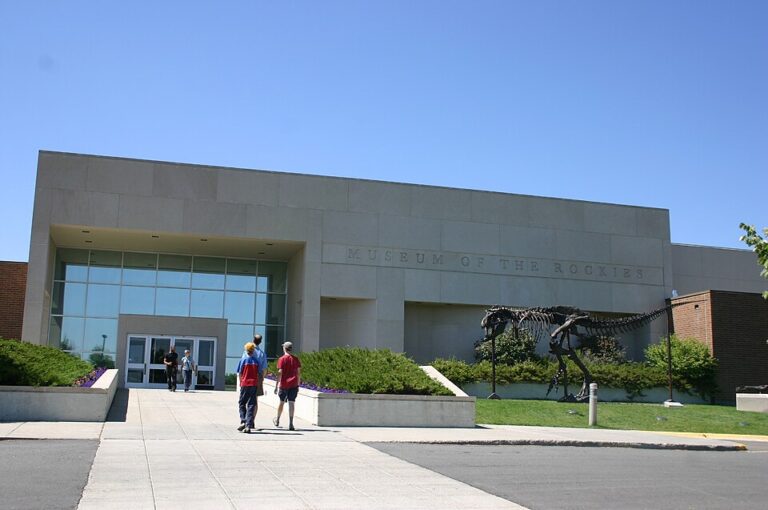
Bozeman suits: skiers, Yellowstone visitors, couples seeking a romantic Montana getaway, and families wanting outdoor adventure combined with the Museum of the Rockies. It is less ideal for travelers on tight budgets or those seeking the arts-forward, bohemian character of a university town.
- Best for: skiing, Yellowstone gateway, upscale dining, outdoor adventure
- Key strength: Big Sky Resort proximity, Museum of the Rockies, rapid restaurant scene development
- Key weakness: expensive, increasingly traffic-congested, losing small-town character fast
- Don’t miss: Hyalite Canyon, Big Sky Resort, Museum of the Rockies, Blackbird Kitchen
Missoula Montana: The Arts and River City
Missoula is larger than Bozeman but feels less intense. The presence of the University of Montana gives it an arts-and-letters character — the city has produced an extraordinary number of writers and has a literary culture that few American cities of any size match. The Clark Fork River runs through the heart of downtown, with riverside trails, kayaking, and public whitewater that integrate the river into daily city life.
The Rattlesnake National Recreation Area and Wilderness, accessible within 2 miles of downtown Missoula, provides hiking, mountain biking, and wildlife habitat on a scale that is almost impossible to believe within walking distance of a city center. The food scene is diverse and well-established, with a wider range of cuisines than Bozeman and generally lower prices.

- Best for: arts and culture, river recreation, literary history, more affordable visit
- Key strength: Rattlesnake Wilderness accessibility, diverse food scene, Clark Fork culture
- Key weakness: smaller ski resort (Montana Snowbowl), farther from Yellowstone
- Don’t miss: Clark Fork Farmers Market, Rattlesnake Wilderness trail, Shakespeare on the Clark Fork, Imagine Nation Brewing
Outdoor Recreation: Bozeman vs Missoula
Skiing
Bozeman wins decisively for skiing. Big Sky Resort (5,850 acres) and Bridger Bowl are two of the best ski areas in the Mountain West. Missoula’s Montana Snowbowl is a solid community ski area with about 1,700 acres and a loyal following, but it does not compete with Big Sky or Bridger Bowl for terrain or snowfall.
Hiking and Trail Access
This is closer. Bozeman has Hyalite Canyon, the Bridger Mountains, and the Gallatin Range immediately accessible. Missoula has the Rattlesnake Wilderness essentially inside the city limits plus excellent Bitterroot Valley hiking to the south. Both cities offer exceptional trail access — Missoula’s Rattlesnake proximity is arguably the most remarkable urban wilderness access of any Montana city.
River Recreation
Missoula wins for river recreation. The Clark Fork runs through downtown with whitewater sections, kayaking, and swimming access. The Bitterroot River to the south is excellent for float fishing. Bozeman has the Gallatin, which is superb trout water, but it requires a 30+ minute drive from downtown.
Cost Comparison: Bozeman vs Missoula
| Expense | Bozeman | Missoula |
|---|---|---|
| Mid-range hotel (per night) | $150-220 | $110-170 |
| Restaurant dinner (2 people) | $65-110 | $50-90 |
| Ski lift ticket | $70-200+ (Bridger/Big Sky) | $60-75 (Snowbowl) |
| Overall trip cost | Moderate to High | Moderate |
Which Montana City Should You Visit?
Choose Bozeman if: skiing is a priority, you want to visit Yellowstone, you prefer a rapidly developing restaurant scene with upscale dining, or you want the Museum of the Rockies for a family visit.
Choose Missoula if: you want a more affordable trip, you are interested in arts, literary culture, and a more established bohemian city character, you want remarkable trail access from a walkable downtown, or you prioritize river recreation.
Visit both if: you have 5+ days in Montana and want the full contrast. The 2-hour drive on I-90 between Bozeman and Missoula passes through beautiful mountain terrain and makes a natural road-trip connector.
Frequently Asked Questions: Bozeman vs Missoula Montana
Is Bozeman or Missoula better to visit?
Neither is objectively better — they suit different travelers. Bozeman is better for skiing, Yellowstone access, and upscale dining. Missoula is better for a more affordable visit, arts and culture, and a more established small-city character. Both offer excellent outdoor recreation.
Is Missoula cheaper than Bozeman?
Yes, notably so. Accommodation, restaurant prices, and overall cost of living in Missoula are 15-25% lower than Bozeman. The tech and resort economy in Bozeman has pushed prices well above Montana averages; Missoula remains more accessible for budget-conscious travelers.
How far apart are Bozeman and Missoula Montana?
Bozeman and Missoula are approximately 200 miles apart via I-90, a drive of approximately 2 hours in good conditions. Many Montana visitors include both cities in a single trip, entering through one and departing through the other.
Plan Your Trip: Useful Resources
Plan your Missoula visit at Destination Missoula official tourism site and explore both cities on Visit Montana.


One Comment