Hidden Gems in the Cotswolds: 12 Secret Villages & Sites (2026)
Everyone visits Bourton-on-the-Water and Bibury. Far fewer find the 16th-century manor with a frost garden in the hills above Broadway, the Roman villa with floor mosaics hidden in a Gloucestershire woodland, or the prehistoric stone circle older than Stonehenge that sits on an Oxfordshire hilltop with no admission charge and barely a visitor sign. These are the hidden gems of the Cotswolds — the places locals love, guidebooks mention in passing, and most tourists drive past without stopping.
🔍 Definition check: ‘Hidden gems’ in the Cotswolds means two things: genuinely lesser-visited villages (Snowshill, Minster Lovell, Bourton-on-the-Hill) and remarkable historic sites that get a fraction of the footfall of the main villages (Rollright Stones, Chedworth Roman Villa, Hailes Abbey). This guide covers both.
Hidden Villages: The Cotswolds Beyond the Honeypots
1. Snowshill — Art, Eccentricity, and Quiet Beauty

Snowshill sits on a hillside 2 miles south of Broadway, but most visitors never make it up the narrow lane from the main village. The reward for the detour: a car park at the village (free, small), a Norman church with a sundial that tells Jerusalem time, a village green that appears on no tourist map, and Snowshill Manor — one of the most eccentric National Trust properties in England. Snowshill Manor was created by architect and artist Charles Paget Wade, who collected 22,000 objects across 50 rooms — Japanese armour, Peruvian masks, Flemish tapestries, Victorian bicycles — and slept in a shed in the garden because the house was too full of his collection. Adults £14, gardens £8. Best time: Weekday mornings in May–June when the garden is at its best and crowds are minimal.
2. Minster Lovell — Ruins, Riverside, and Romance
On the River Windrush 3 miles west of Witney, Minster Lovell’s ruined 15th-century hall stands beside a Norman church and a riverside meadow so beautiful that it regularly appears in lists of England’s best picnic spots. The ruins are English Heritage (free entry) and accessible from a small car park. Story: The last Lord Lovell disappeared after the Battle of Bosworth (1487) supporting Richard III. His body was reportedly found bricked into a secret room at the manor centuries later, still seated at a table — though historians dispute the legend. The atmosphere at dusk is undeniably eerie.
3. Bourton-on-the-Hill — The Road Less Taken
Not to be confused with Bourton-on-the-Water (the tourist hotspot), Bourton-on-the-Hill sits 3 miles west of Moreton-in-Marsh and is everything its famous namesake is not: quiet, local, and genuinely unspoiled. The village climbs a steep hillside and is home to the Horse and Groom pub — one of the best food pubs in the Cotswolds, with a terrace overlooking the valley. No coach tours, no car park charges, just a proper Cotswolds village.
4. Northleach — A Medieval Market Town That Tourism Forgot
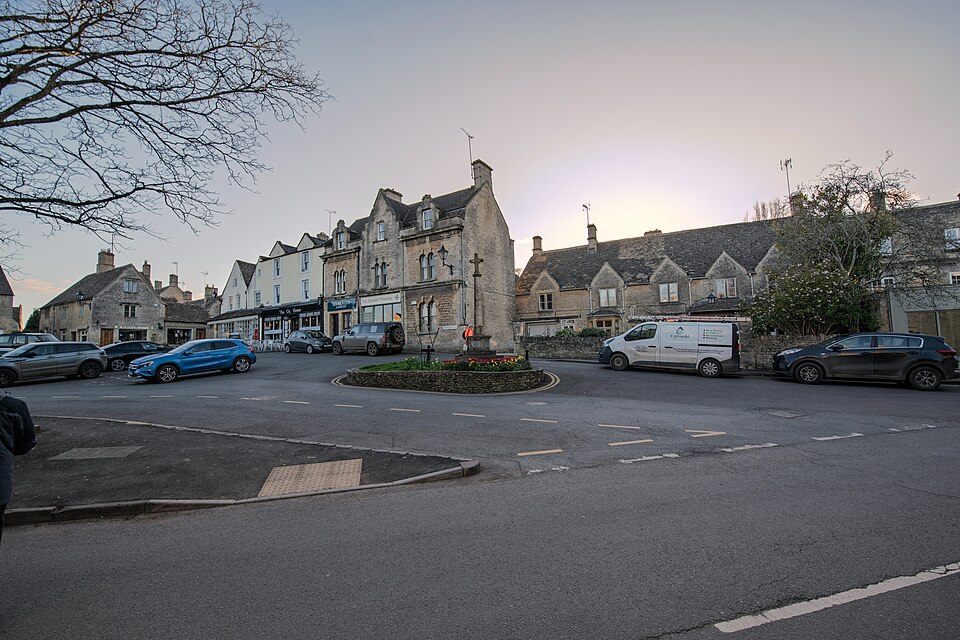
When the A40 bypass was built around Northleach in 1983, the town was cut off from through traffic — and inadvertently preserved perfectly. Today, its Market Place, Church of St Peter and St Paul (the finest Perpendicular wool church in the region), and cluster of independent shops feel exactly as they have for 300 years. The Keith Harding World of Mechanical Music (adults £14) contains working barrel organs, musical boxes, and automata in a medieval wool merchant’s house. Accommodation: one excellent pub (The Wheatsheaf, from £120) and several rental cottages.
5. Tetbury — The Royal Market Town

Tetbury is 12 miles south of Cirencester and is best known as the nearest market town to Highgrove House, King Charles III’s private estate. The 17th-century Market House stands on stone columns in the middle of the town and is one of the finest Market Halls in England. Chipping Street and Long Street have independent antique shops and the Highgrove Shop (Long Street, Highgrove royal estate products). The Snooty Fox hotel (from £110) has a good restaurant and is the best overnight option. Annual event: the Tetbury Woolsack Races in May, where competitors race up and down the steep Gumstool Hill carrying a 60lb (men) or 35lb (women) sack of wool — a genuine local tradition since medieval times.
Hidden Historic Sites: Beyond the Villages
Rollright Stones — Older Than Stonehenge
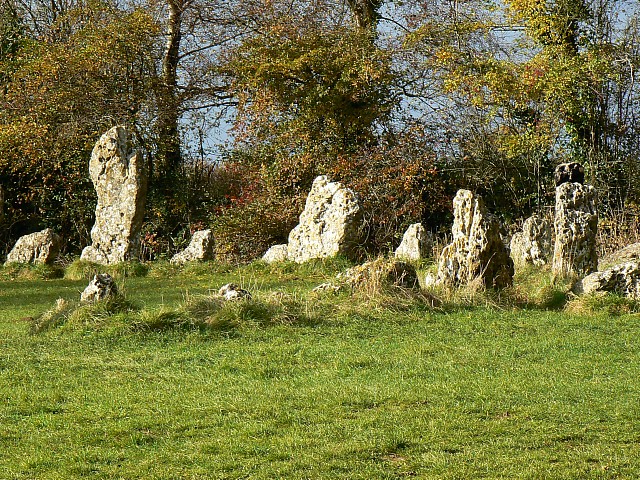
On the Oxfordshire-Warwickshire border 4 miles northeast of Chipping Norton, the Rollright Stones are a Neolithic stone circle, king stone, and burial chamber complex dating to 2500–3000 BC — older than Stonehenge. The site is entirely free to access (a small donation box) and almost never crowded. Three elements: the King’s Men circle (77 stones, 30 metres diameter), the King Stone (a single standing stone across the road), and the Whispering Knights burial chamber (5 stones standing in a field). The Neolithic builders’ purpose is unknown but the geometry of the circle suggests astronomical alignment. How to find it: on the A3400 near Long Compton — look for a small car park on the left. GPS: 51.9759°N, 1.5703°W.
Chedworth Roman Villa — The Best-Preserved Villa in Britain
Hidden in a wooded valley 7 miles north of Cirencester, Chedworth Roman Villa was discovered in 1864 and is now managed by the National Trust. It contains some of the finest mosaic floors in Roman Britain — the bathing suite mosaic showing the Four Seasons is exceptional. The villa dates to AD 120–400 and its setting in a Cotswolds valley makes it feel entirely removed from the modern world. Adults £14 (National Trust free). Open March–November. Allow 2 hours.
Hailes Abbey — A Ruined Pilgrimage Destination
Near Winchcombe (4 miles east), Hailes Abbey (English Heritage, adults £7.50) was founded in 1246 and became one of England’s most important pilgrimage sites when it acquired a phial claimed to contain the Holy Blood. Thousands of medieval pilgrims travelled here; the Pilgrims’ Way still passes the ruins. Today, the cloister walls and some medieval tiles remain — atmospheric and visited by perhaps 100 people per day compared to the thousands who queue at Bourton. Combine with Sudeley Castle (2 miles away) for a full day of hidden Cotswolds history.
Hidden Gardens Worth the Detour
Painswick Rococo Garden
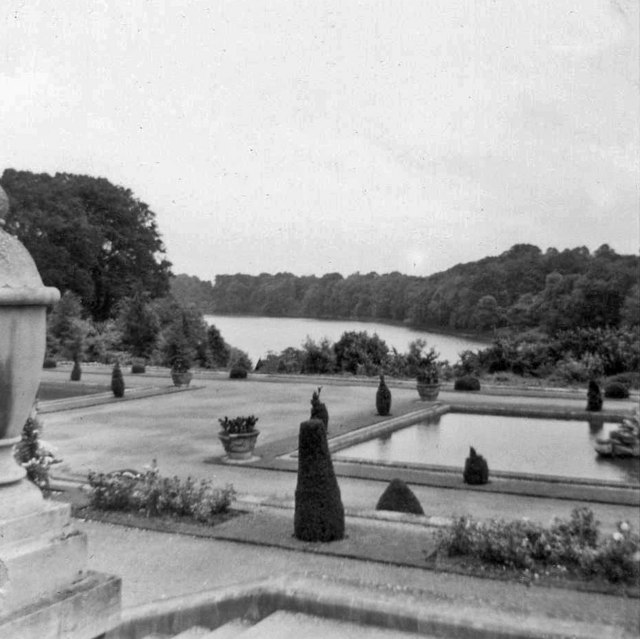
In the grounds of Painswick House, this is the only complete surviving example of a Rococo garden in England — a style briefly fashionable between the formal baroque and natural landscape movements (approximately 1720–1760). Open January to November, adults £9. The restored snowdrop season in February is famous; locals consider it the best single day out in the Cotswolds year. In summer, the walled kitchen garden and ornamental buildings are the draw.
Kiftsgate Court Gardens
Adjacent to Hidcote Manor Garden near Chipping Campden (but separately owned and admission-charged), Kiftsgate Court Gardens is known for the Rosa filipes ‘Kiftsgate’ — reportedly the largest rose in England, covering an area 50 metres wide. The water garden added in 2000 contrasts sharply with the Victorian planting of the main garden. Adults £10. Open April–September, afternoons only. Visit on the same day as Hidcote to make the most of the 500-metre walk between them.
Hidden Gems Itinerary: A Day for the Off-Beaten-Path Cotswolds
- 9:30am: Snowshill Manor gardens open (arrive at opening). Allow 1.5 hours for manor and gardens.
- 11:30am: Drive to Bourton-on-the-Hill (6 miles). Coffee and cake at Horse and Groom pub terrace (the best view in the north Cotswolds).
- 12:30pm: Drive to Northleach (15 miles, 20 minutes). Lunch at The Wheatsheaf and an hour in St Peter and St Paul Church.
- 2:30pm: Drive to Chedworth Roman Villa (7 miles, 12 minutes). Two hours exploring the mosaics.
- 5:00pm: Drive to Painswick (10 miles, 20 minutes) for an evening walk through the 99-yew churchyard before it closes at dusk.
Want to combine hidden gems with the main villages? See our 3-day Cotswolds itinerary which builds a complete route around both. For the best driving route to reach all these sites, follow our Cotswolds road trip guide. Travelling without a car? Some of these hidden gems (Snowshill via Robin minibus, Northleach via Stagecoach) are accessible — see our car-free Cotswolds villages guide.
Extending your UK trip beyond the Cotswolds? Bath is 20 miles from the southern hidden gems and Oxford is 20 miles from the Rollright Stones and Minster Lovell — both ideal bookends for a hidden gems itinerary.
Frequently Asked Questions
What are the most underrated villages in the Cotswolds?
Northleach, Snowshill, Bourton-on-the-Hill, Minster Lovell, and Tetbury see far fewer visitors than Bourton-on-the-Water, Bibury, and Broadway but are equally beautiful. Painswick, despite being the ‘Queen of the Cotswolds,’ attracts a fraction of the tourist traffic of the most photographed villages.
Are there any prehistoric sites in the Cotswolds?
Yes — the Rollright Stones (2500 BC) near Chipping Norton are one of the best-preserved Neolithic complexes in England, rivalling Stonehenge in age and free to visit. Belas Knap Long Barrow near Winchcombe (3800 BC) is a Neolithic burial mound on the Cotswold Way — accessible on foot from the village.
Plan Your Visit: Official Resources
Visit the Rollright Stones (free, near Chipping Norton) and learn about Neolithic Oxfordshire at the Rollright Stones Trust website. Explore Snowshill Manor and garden (National Trust, £14) and plan your visit at National Trust Snowshill Manor. Discover Chedworth Roman Villa mosaics (National Trust) at National Trust Chedworth Villa page.